Last updated November 21, 2026
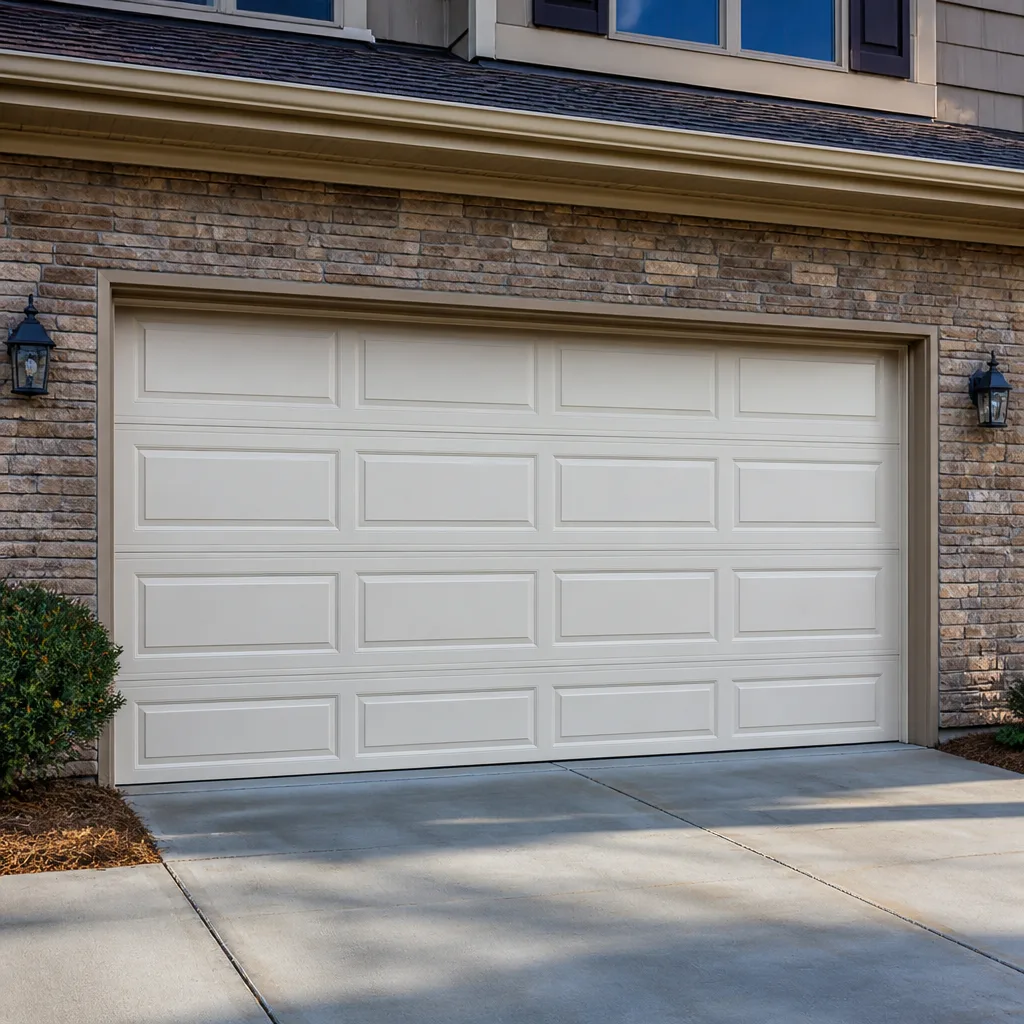 Raised-panel steel
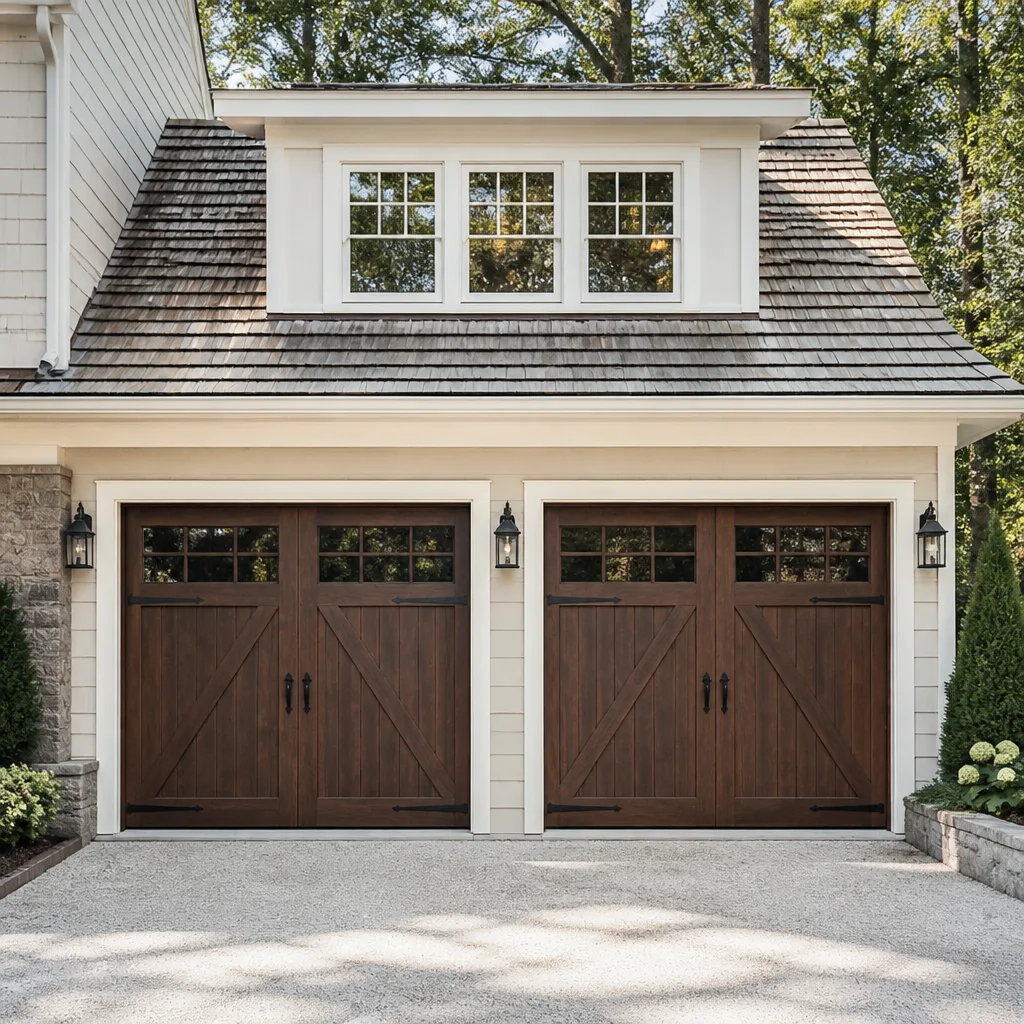 Carriage house
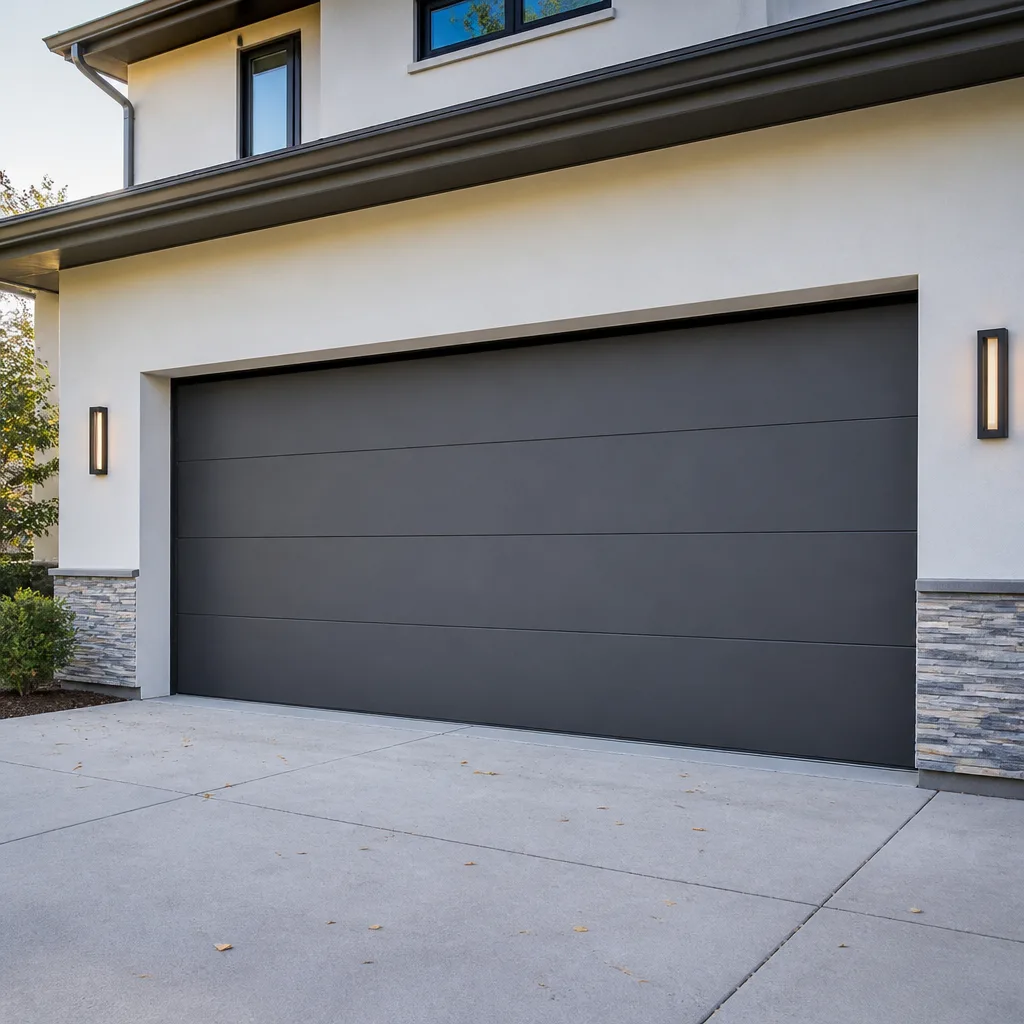 Modern flush
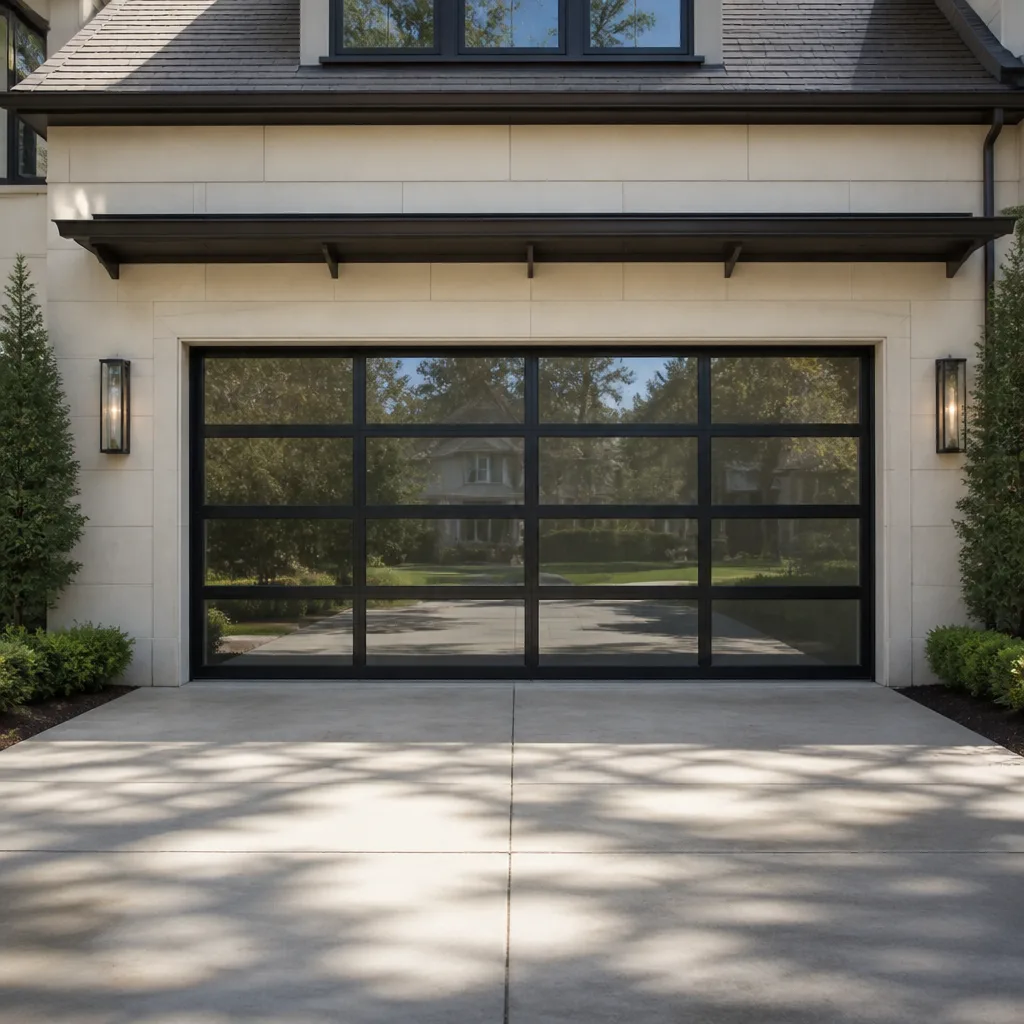 Full-view glass
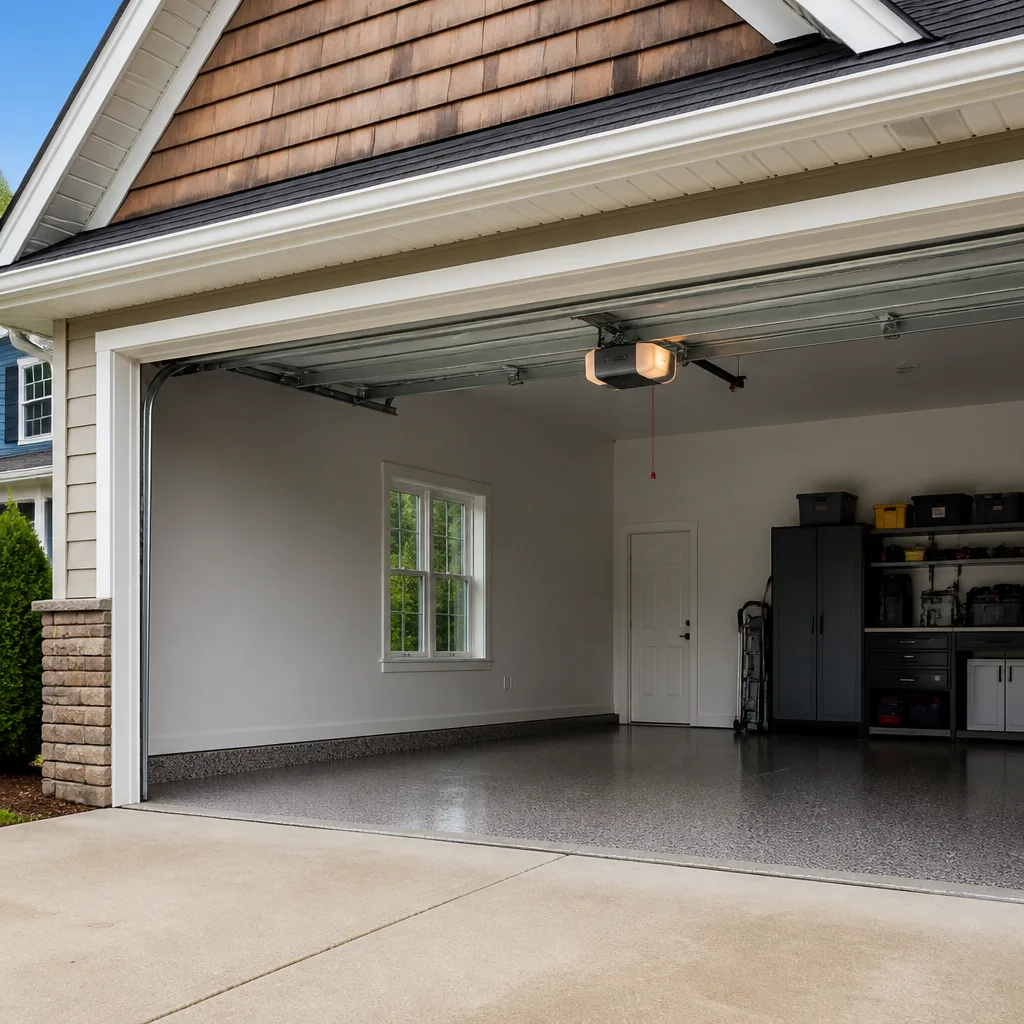 LiftMaster openers
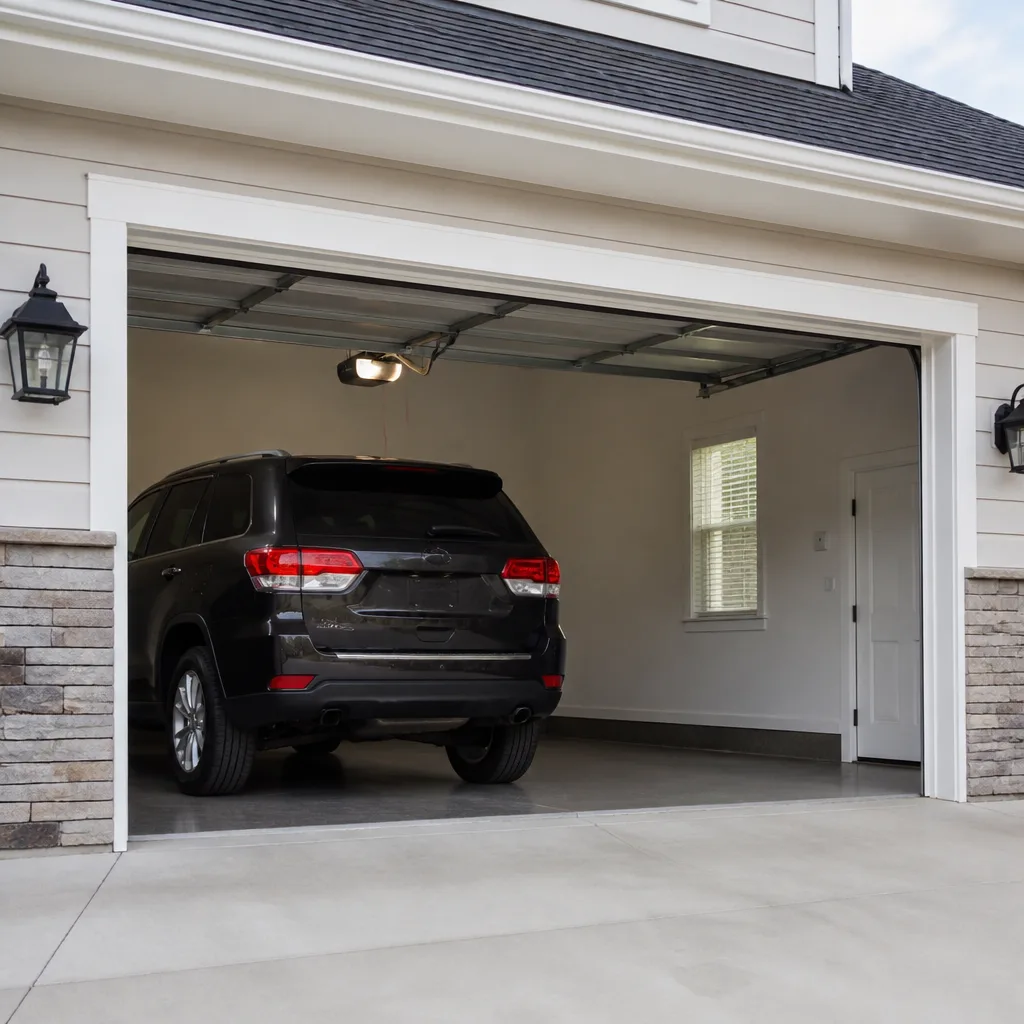 Chamberlain openers
Full 25-point door and opener safety check with every visit - springs, cables, rollers, tracks, and your LiftMaster or Chamberlain opener included
You get a price before we start. It does not change when the pro arrives.
Get your free estimateGarage Door Permits, Codes & Inspections in Plainfield, NJ: What You Need to Know
Most homeowners assume any garage door work in Plainfield needs a permit, or that none of it does. Both are wrong, and the confusion is common enough that we field permit questions almost as often as spring questions. Swapping a damaged panel is usually a straight repair. Replacing the entire door unit often crosses a line that requires a permit under New Jersey’s construction code. That line is blurry, it’s not explained well anywhere, and getting it wrong can surface at the worst possible moment: a home inspection, an appraisal, or a closing table in Union County. This guide draws that line clearly, walks through the local building department process, and explains what happens when work is done without the permit it needed.
Quick Answer
In Plainfield, replacing a complete garage door unit typically needs a permit under the New Jersey Uniform Construction Code, while routine repairs like replacing a panel, rollers, cables, or a spring generally do not. Installing or replacing an electric opener usually doesn’t require a permit either, but electrical work tied to it might. Fire-rated requirements apply to doors on attached garages. When in doubt, the Plainfield building department is the authority, and a reputable contractor will handle that confirmation for you.
Styles & brands we work with
- Raised-panel steel
- Carriage house
- Modern flush
- Full-view glass
- LiftMaster openers
- Chamberlain openers
Table of Contents
- Does Replacing a Garage Door Require a Permit in Plainfield?
- Repair vs. Replacement: Where the Line Falls
- How the Plainfield Permit Process Actually Works
- What Happens If You Skip the Permit
- Fire-Rated Doors and Attached Garages
- Who Pulls the Permit: You or the Contractor?
- What an Inspection Actually Checks
- Common Mistakes to Avoid
Does Replacing a Garage Door Require a Permit in Plainfield?
Replacing a full garage door unit in Plainfield generally requires a permit, because the New Jersey Uniform Construction Code treats it as an alteration to a building component rather than a simple maintenance item. A complete replacement means removing the old door, tracks, and hardware and installing a new system, which changes the opening, the springs, and the balance of the whole assembly. That scale of work is what triggers permit review.
The permit piece most homeowners miss isn’t the door itself. It’s the relationship between the door and the structure around it, including header attachment, track anchoring, and spring and safety hardware on a door that weighs significantly more than the manual version it may be replacing.
What usually does not require a permit in Plainfield:
- Replacing a single damaged panel
- Replacing rollers, hinges, or weather seals
- Replacing a torsion or extension spring on an existing door
- Replacing a wall-mounted opener control or remote
- Routine adjustment of tracks and tension
What usually does require a permit or at least a call to the building department:
- Full garage door replacement, including a new door on an existing frame
- Enlarging or changing the size of a garage opening
- Changing door type in a way that affects structural attachment or fire rating
- Running new electrical service for an opener where none existed
In our experience, the gray zone is the door “off” and a new “on” in the same opening. When the answer isn’t obvious, we ask the garage door repair question first: is this a repair or a replacement? The Plainfield building department settles it, and one phone call clears up most of these.
Repair vs. Replacement: Where the Line Falls
The practical line between a repair and a replacement is whether the original door assembly stays in place. If the door stays and you’re changing a part, that’s a repair. If the door comes out and a new one goes in, that’s a replacement, and in Plainfield that almost always means a permit.
Here’s how we think about it when a homeowner calls us:
- Does the door itself stay? If yes, it’s likely a repair. If no, treat it as a replacement until the building department says otherwise.
- Is the structural opening changing? Any change to header, jambs, or opening dimensions is well past repair territory and needs review.
- Is the fire rating affected? A door on an attached garage that’s part of a fire separation assembly deserves a permit even if the door “looks the same.”
- Is new electrical involved? A straight swap of an existing opener is one thing. New wiring or a new circuit for an opener is a different job.
A few real examples. A Plainfield homeowner with a bent bottom section can usually replace just that panel, no permit needed. A homeowner whose 25-year-old door is rusted through at the bottom, dragging on the frame, and running on original tracks is typically looking at a full replacement, and that’s a permit job. And a homeowner swapping an old chain-drive opener for a garage door opener repair-style upgrade with a new LiftMaster or Chamberlain unit generally doesn’t need a door permit, though new electrical work would be handled by an electrician.
If the door is on an attached garage and you’re not sure what it’s rated for, ask. That’s the one question we’d rather answer before a crew shows up than after.
How the Plainfield Permit Process Actually Works
Plainfield has its own building department, and residential garage door work runs through it like any other residential alteration. The process is straightforward once you know the steps, and it’s often less painful than homeowners expect.
Here’s how a typical residential door replacement flows through the Plainfield process:
- Pre-application call. Confirm with the building department that a permit is required and what documents they want. Have the door model and job scope ready.
- Submit the application. Include a description of the work, the door specifications, and proof the installer is properly licensed and insured for the work being done. The local pro is licensed and insured as their state requires.
- Pay the permit fee and wait for issuance. Residential door permits usually move faster than larger construction permits. Typical turnaround is days to a couple of weeks, though it varies with the department’s workload.
- Do the work. The permit must be issued before the door goes in, not after.
- Schedule the inspection. Once the door is installed, the inspection confirms attachment, safety hardware, springs, and proper clearances.
- Get the sign-off and keep the paperwork. That piece of paper is what protects you when you sell the house.
Two practical notes for Plainfield homeowners. First, the timeline is usually smoother when the contractor handles the filing, because they’ve done it before and know what the department wants to see on the application. Second, get the permit number and inspection sign-off filed with your home records immediately. Homeowners move, papers get lost, and the person who benefits from your recordkeeping is future-you.
The exact Plainfield building department phone number and address change, so instead of quoting something that could drift, we tell every homeowner we work with to call the city directly and confirm. It takes five minutes and removes all doubt.
What Happens If You Skip the Permit
An unpermitted garage door replacement can cause problems at resale, at inspection, and with your insurer, even when the door was installed correctly. The problem isn’t the door itself. The problem is that nobody with authority confirmed it was done to code.
What we’ve seen happen to Plainfield homeowners:
- Home inspection flag. An inspector who doesn’t see a permit record may flag the door, and the buyer’s lender may require documentation before closing.
- Closing delay or price renegotiation. A buyer can ask for a permit to be pulled after the fact, which means retroactive inspection and possible correction costs.
- Insurance questions. If a future claim touches the garage or opening, an insurer may ask for proof the work was permitted. Missing documentation doesn’t automatically void a claim, but it can complicate one.
- Retroactive permit costs. Fixing the paperwork is usually possible, but retroactive permits, inspection re-visits, and any required corrections add up.
The fix is the same as the prevention: the door needs to be inspected against the same code the original work should have met. If the installation is solid, a retroactive permit usually goes through without major trouble. If the installation skipped safety hardware or bolted into something that won’t hold, that gets caught. Either way, the homeowner is the one chasing paperwork at the worst possible time.
We treat this seriously when we quote a replacement. A written estimate should tell you clearly whether a permit is included, and a reputable contractor won’t hesitate to answer that question. If a contractor brushes off the permit entirely, ask why.
Fire-Rated Doors and Attached Garages
A garage door on an attached garage may be acting as part of a fire separation between the garage and the living space, which is why fire-rated door requirements matter under New Jersey residential code. The door between the garage and the house is the classic one, but the vehicle door itself can be part of the assembly where the garage shares a wall or ceiling with living space.
Which door materials typically qualify:
- Steel doors with a fire-rated label and factory documentation
- Doors built with a rated core, such as insulated or fire-rated models from brands like Clopay or Raynor, where the manufacturer explicitly rates the door for a fire separation
- Doors labeled by the manufacturer for the specific separation application
Which materials generally don’t qualify without additional rating:
- Standard unrated wood doors, unless the assembly is rated by an approved evaluation
- Doors that have been modified in the field after labeling
- Openings assembled without rated hardware
The point isn’t to make you memorize material codes. It’s to explain why a replacement door on an attached garage isn’t just a curb-appeal decision. If your home’s garage shares a wall or ceiling with living space, check the existing door’s label before replacement and make sure the new door is rated for the same separation. The Plainfield building department will tell you what they need to see for the permit, and a rated door with documentation is what a permit reviewer is looking for.
If you’re not sure whether your existing door is rated, that’s a good reason to pull the installation paperwork and expect the permit process to confirm it. This is the one area where “it looks fine” isn’t enough.
Who Pulls the Permit: You or the Contractor?
On paper, either the homeowner or the contractor can pull a permit for a garage door replacement in Plainfield. In practice, letting the contractor handle it is the better move in almost every case. They know the application, they know what the department wants, and they’ll be on the hook for the inspection.
How the two options compare:
- Contractor pulls it: Cleaner paperwork, fewer re-submissions, and one point of accountability through the inspection. Ask for the permit number before work begins, and get a copy of the final sign-off after.
- You pull it: Workable, but it means you’re the one filing the application, managing the inspection, and answering to the department if something is off.
- Nobody pulls it: Not a normal option, but it happens. This is the one to walk away from, no matter how good the quote looks.
The five questions we’d ask any contractor before hiring them for a replacement in Plainfield:
- Is the permit included in this quote, and who files it?
- Are you and your installers licensed and insured as this state requires?
- Will you put the permit number in writing before the door is removed?
- Who schedules the inspection, and will you send me the sign-off?
- Is the quoted door rated for my opening, including fire rating if my garage is attached?
A specialist will have answers to all five without checking with anyone. A generalist handyman may not, and that’s the kind of contractor who skips the permit because they don’t want the paperwork.
Our approach to this is simple. Plainfield Garage Door Repair Co is a garage door company, not a general contractor, so we’re very comfortable saying: the permitting process belongs in the quote. It’s not a surprise add-on later, and it’s not something we push onto the homeowner. If you’d like the permit conversation handled up front, call us at (855) 707-0472 and we’ll walk through it, along with a free estimate.
What an Inspection Actually Checks
When the Plainfield building inspector arrives for a garage door replacement, the goal is to confirm the installation matches the permit and meets code requirements for the door assembly. The inspector isn’t grading the door’s looks. They’re confirming the structural and safety basics, then signing off.
What we see inspectors check most often on a replacement:
- Attachment and anchoring. Are the tracks and header brackets fastened per the manufacturer’s instructions, into material that actually holds?
- Spring and safety hardware. Torsion and extension springs, cables, and the safety features on the door are checked. If the installation included a new opener, the reversing feature gets confirmed.
- Clearances and operation. The door should open and close smoothly without binding, and clear the frame and floor as designed.
- Label and rating. The inspector confirms the door is the one on the permit, and that fire-rated labels match the application where they apply.
- Electrical for the opener, when new. If a new opener was part of the job and needed new wiring, that piece gets checked too.
What gets a job flagged most often is the same short list every time: missing safety hardware, a door that binds, or an installation that skipped the permit and has to be inspected retroactively. None of this is exotic. If the install was done properly and the permit was correct, the inspection is a formality.
For the door itself, the biggest safety story is the spring. A torsion spring under tension is one of the most dangerous parts of the system, and we treat it as a separate specialty for a reason. If a spring is what brought you to this page, our garage door spring repair service exists because the job is easy to do wrong and very hard to do safely.
Common Mistakes to Avoid
- Assuming “repair” means “no permit” without checking. A panel swap usually doesn’t need one, but a full replacement usually does. Ask before the door comes off the truck, not after.
- Skipping the fire-rated conversation on an attached garage. This is the mistake with the longest tail, because it surfaces at resale rather than at installation.
- Trusting a contractor who says “we don’t need a permit for that.” Sometimes that’s true, but it’s their job to prove it with the Plainfield building department, not yours to accept on faith.
- Filing the permit yourself when you don’t have experience with it. A homeowner can file, but the paperwork and inspection work add up fast. Let the contractor own it.
- Forgetting to keep the sign-off. The final inspection paper is the thing that protects your sale years later. File it where you keep your deed and title documents.
- Assuming a new opener needs the same permit as a new door. Usually it doesn’t, but new electrical work tied to it does, and the rules on that one are worth confirming.
- Letting a quote skip the permit line entirely. A written estimate should spell out whether a permit is included, so nothing surprises you after the work starts.
For a full picture of what door work in Plainfield actually involves, the Plainfield Garage Door Repair Co pages break down each service, from repair through replacement.
See the difference
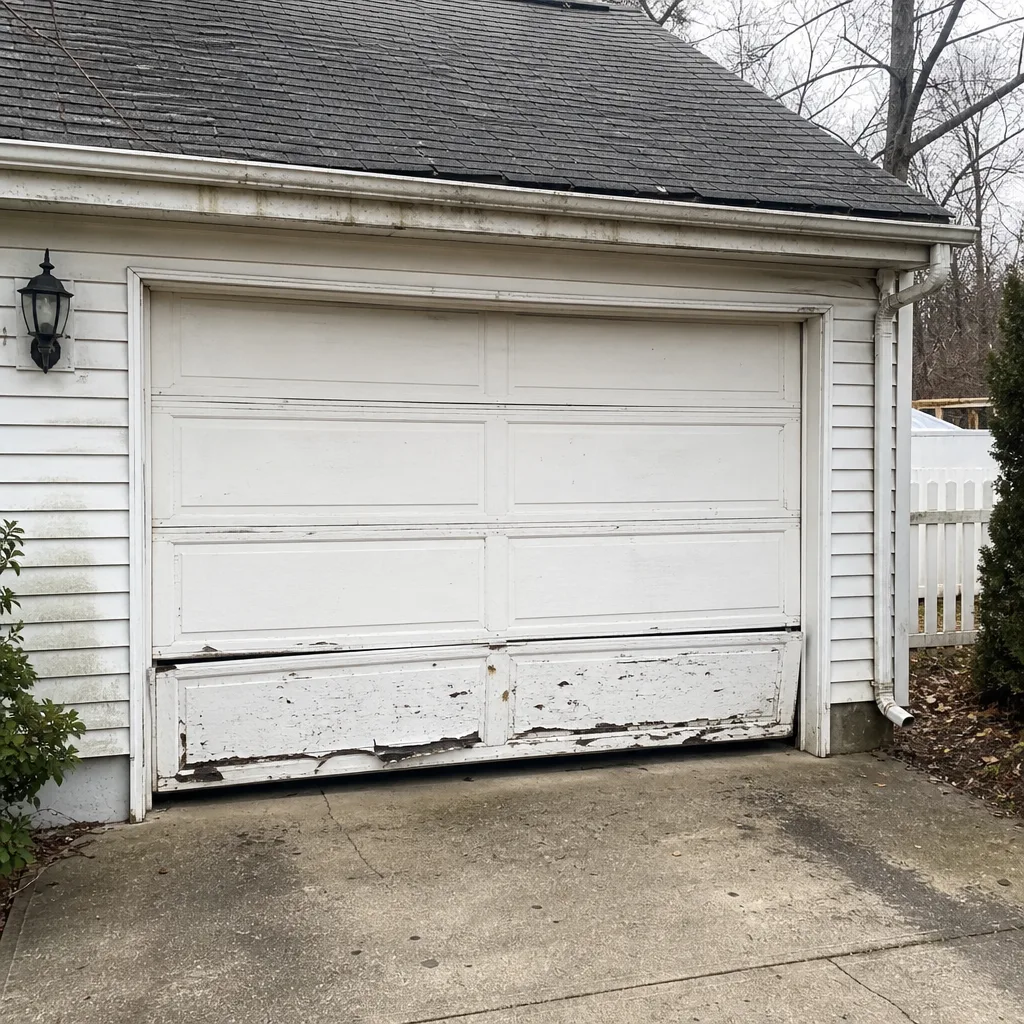 Before
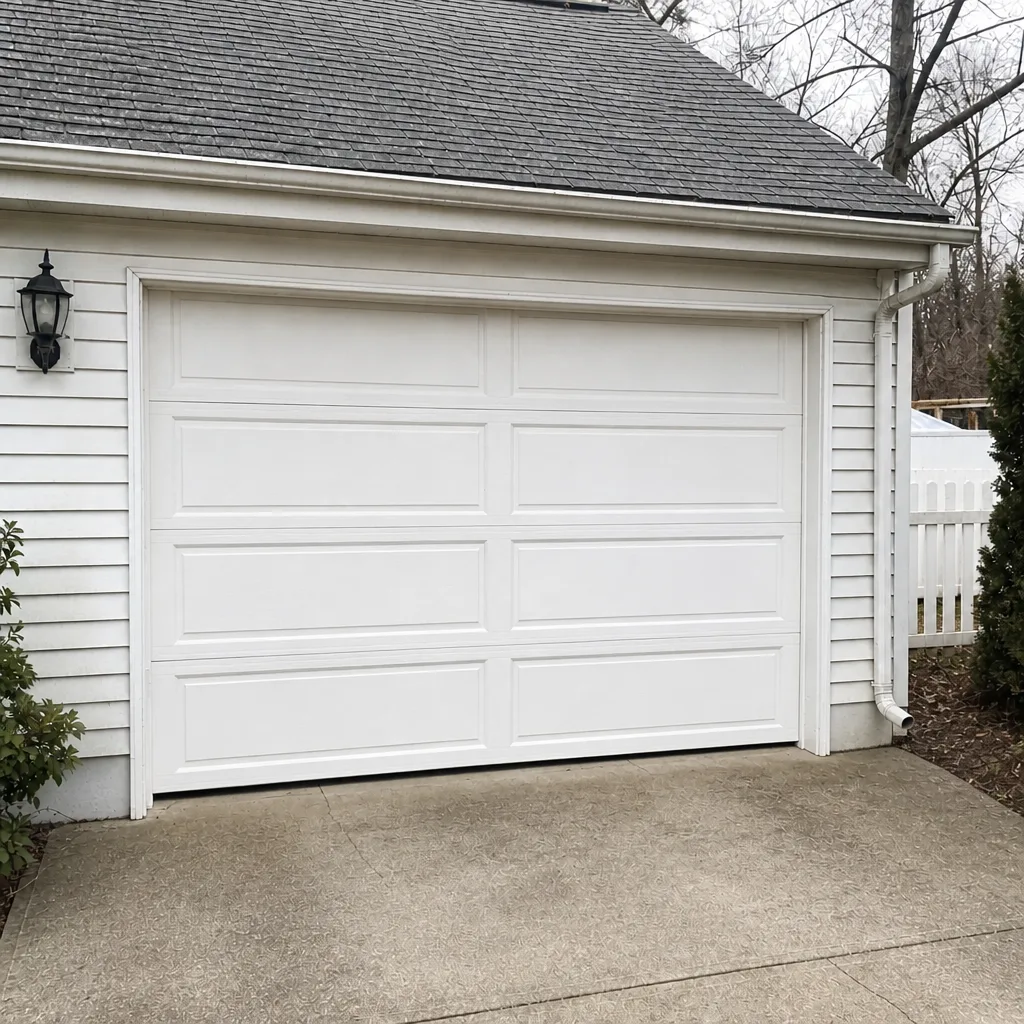 After
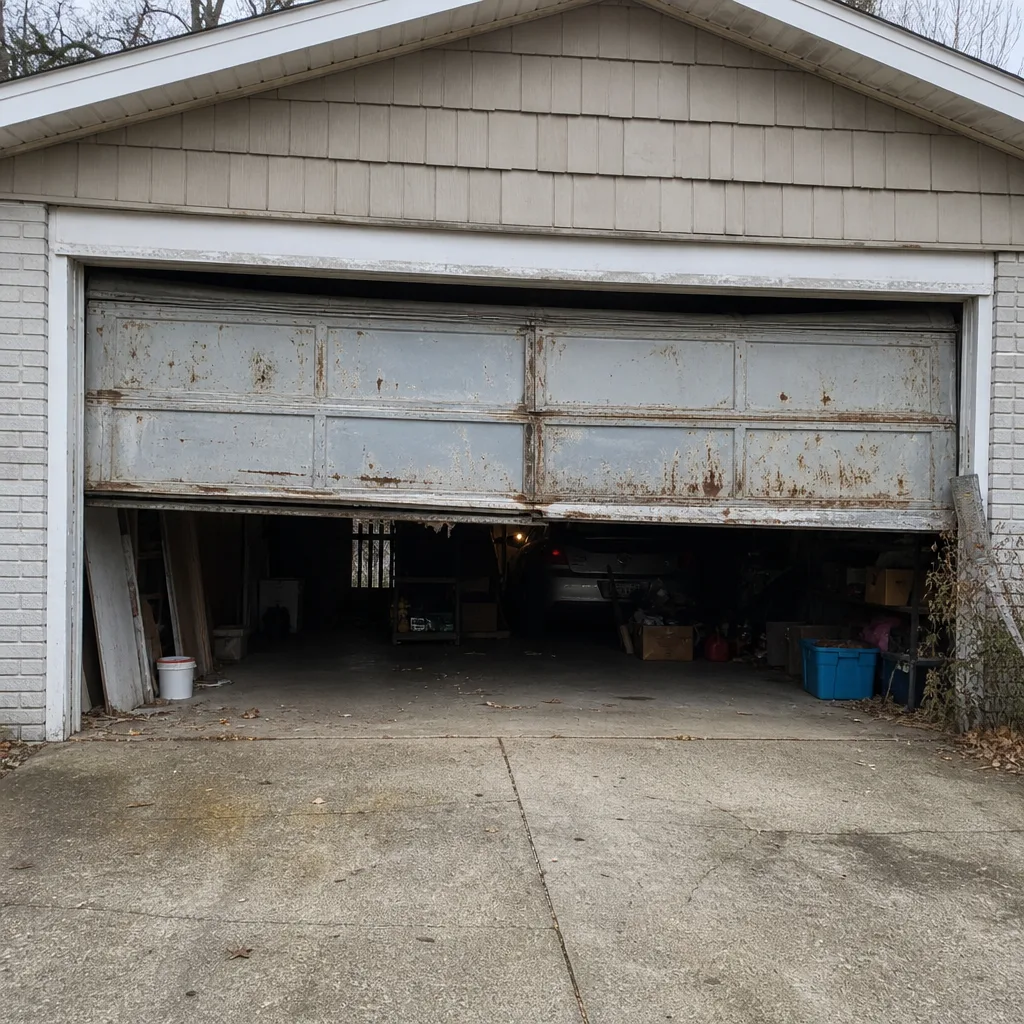 Before
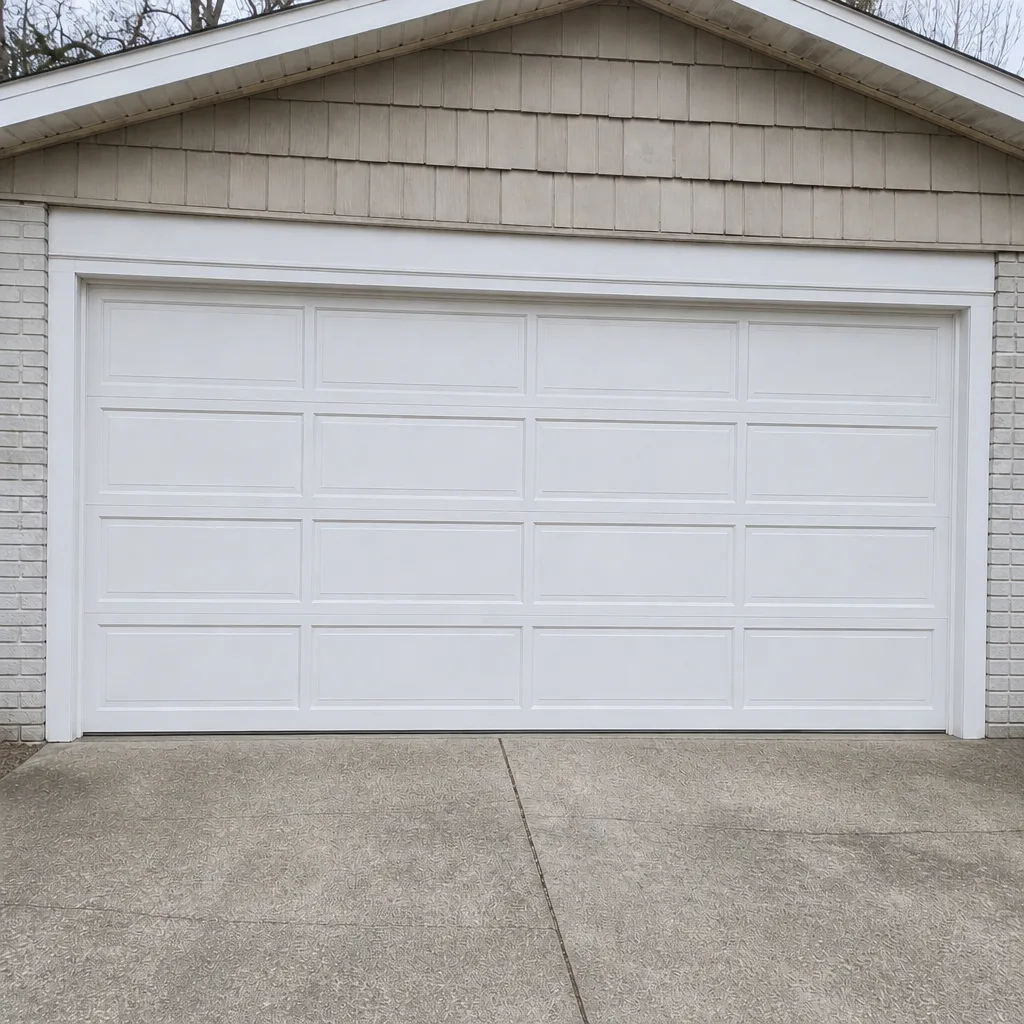 After
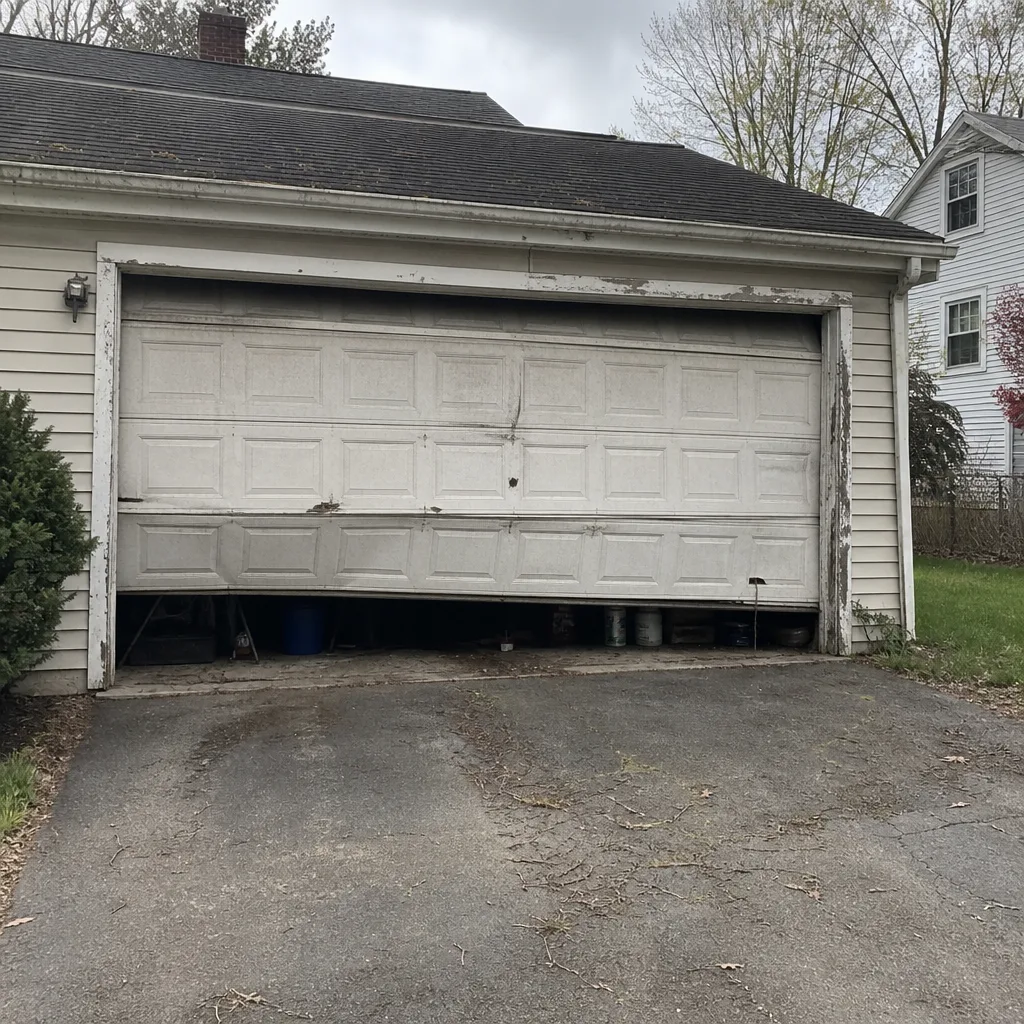 Before
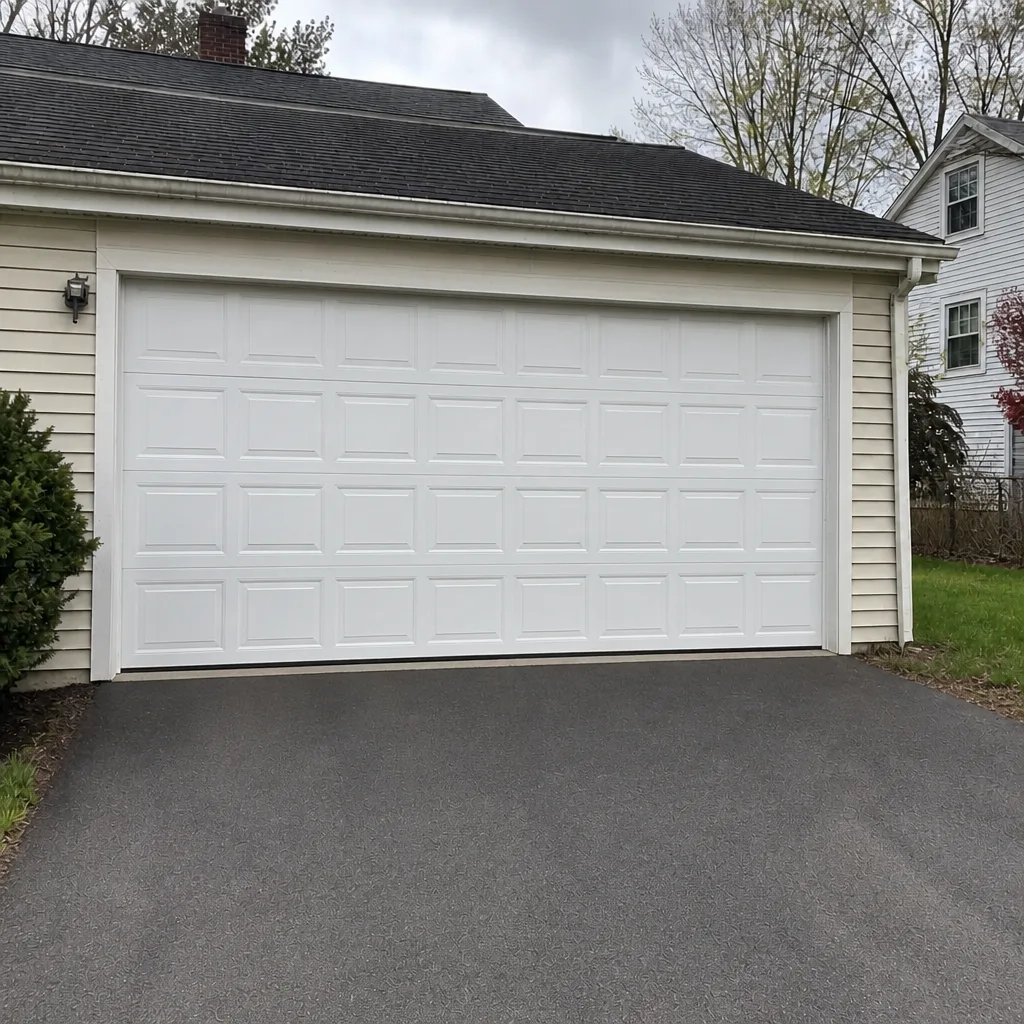 After
When to Call a Professional
Call a professional if the door’s structure is involved. That means a bent or dragging door, cracked panels, a snapped spring, or a door that won’t open at all. Springs and cables are under extremely high tension and can cause serious injury if handled without training. Don’t attempt to adjust or replace a torsion spring yourself. For freestanding door replacements and any permit question, a specialist will handle the paperwork, the installation, and the inspection. Others in Union County have similar rules, so the same questions apply if you cross a border. Plainfield Garage Door Repair Co offers free estimates in Plainfield. Call (855) 707-0472. Our technicians have up to 8 years of experience, and the price is quoted and agreed before any work starts.
Frequently Asked Questions
In most cases, yes. A complete garage door replacement in Plainfield generally requires a permit under the New Jersey Uniform Construction Code, while a simple repair like a panel, roller, or spring swap generally does not. Confirm with the Plainfield building department before the job starts. Call (855) 707-0472 for an exact quote and to talk through the permit piece, since estimates are free.
Usually not for the opener itself. A straight swap of an electric opener on an existing door typically doesn’t require a permit, but new electrical wiring or a new circuit for the opener generally does and is handled by a licensed electrician. When in doubt, call the building department; it’s a quick conversation. For the door side of the job, call (855) 707-0472 and we’ll confirm what’s needed.
It can cause problems at resale when a buyer’s inspector or lender asks for a permit record, and it can complicate an insurance claim that touches the garage. The fix is usually a retroactive permit and an inspection, which goes smoothly if the installation was done properly. If you’re not sure whether your door was permitted, call (855) 707-0472 and we’ll help you figure out the next step, with a free estimate if any work is needed.
Possibly. If the garage shares a wall or ceiling with living space, the door may be part of a fire separation assembly, and replacement usually has to preserve that rating. Check the existing door’s label before replacement, and confirm the requirement with the Plainfield building department. Call (855) 707-0472 and we’ll include the rating question in the estimate.
Residential door permits are usually among the faster residential permits, typically moving through in days to a couple of weeks depending on the department’s workload. The biggest factor is whether the application is complete on the first submission. The Plainfield building department can tell you exactly what they need. For a free estimate on the door work itself, call (855) 707-0472.
It’s possible to replace a door yourself, but in Plainfield a full replacement generally requires a permit regardless of who does the work, and the springs and torsion hardware carry real injury risk. A damaged spring or cable is not a DIY project. For any work that involves springs, call (855) 707-0472 and we’ll walk through the safe path, estimates are free.
The Bottom Line
Garage door work in Plainfield is simpler to get right than the permit conversation makes it sound. Repair usually means no permit, full replacement usually means a permit, and fire-rated doors on attached garages deserve careful attention. The Plainfield building department is the final word, and the quickest way to avoid trouble is to have a contractor who knows that process handle the paperwork from the start. A written estimate should tell you clearly whether the permit is included, and the sign-off should be in your hands when the work is done. If you’re planning a replacement and want the permit handled correctly, or you’d rather not guess on a repair, call us at (855) 707-0472 for a free estimate. Garage doors are all we do, so the permit question is part of the job, not an afterthought.
Written by the team at Plainfield Garage Door Repair Co.