Last updated November 21, 2026
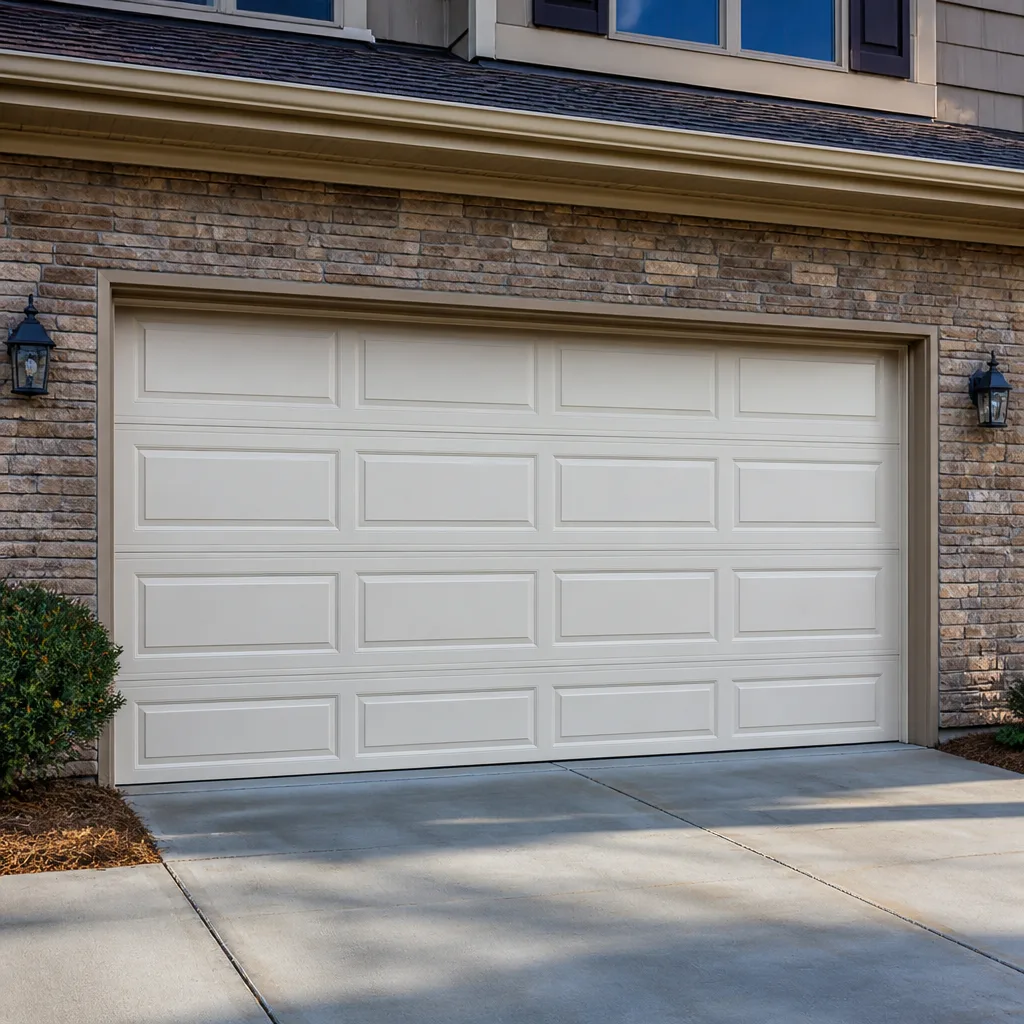 Raised-panel steel
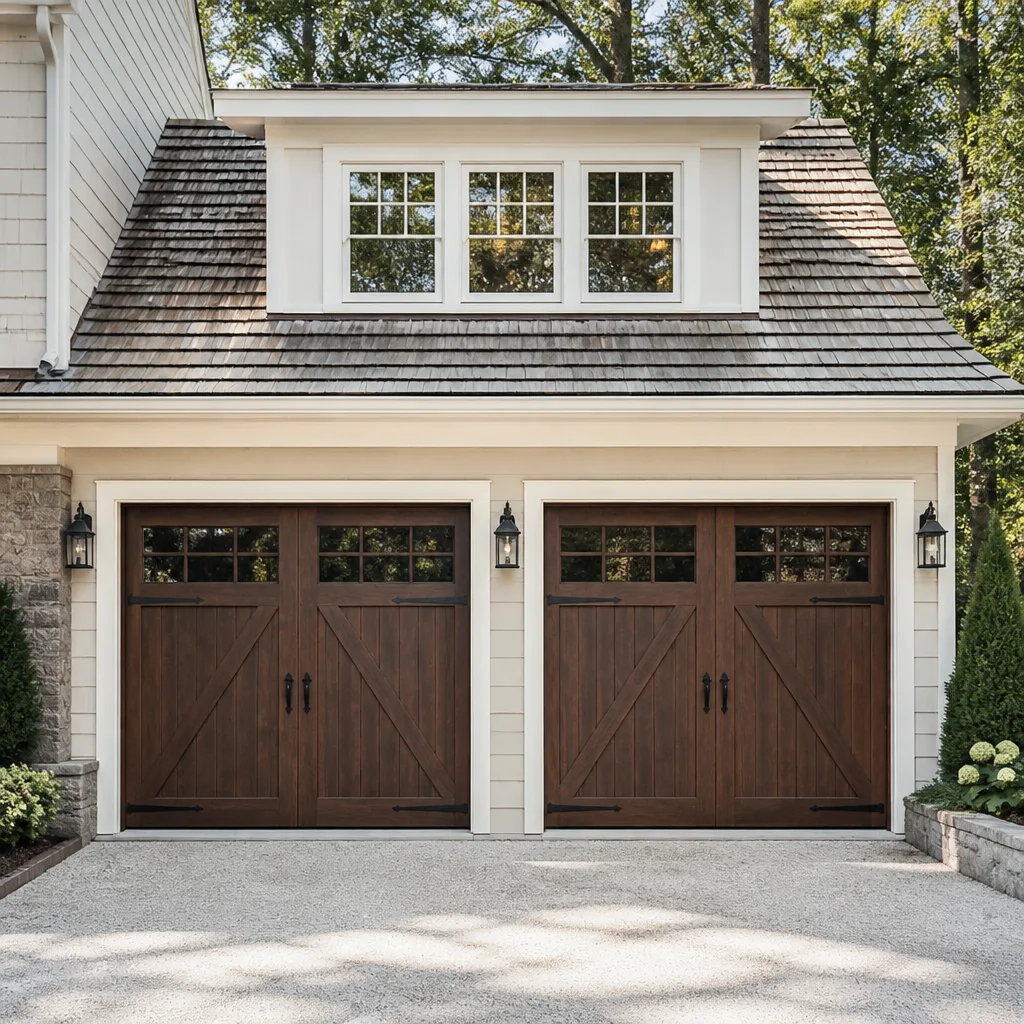 Carriage house
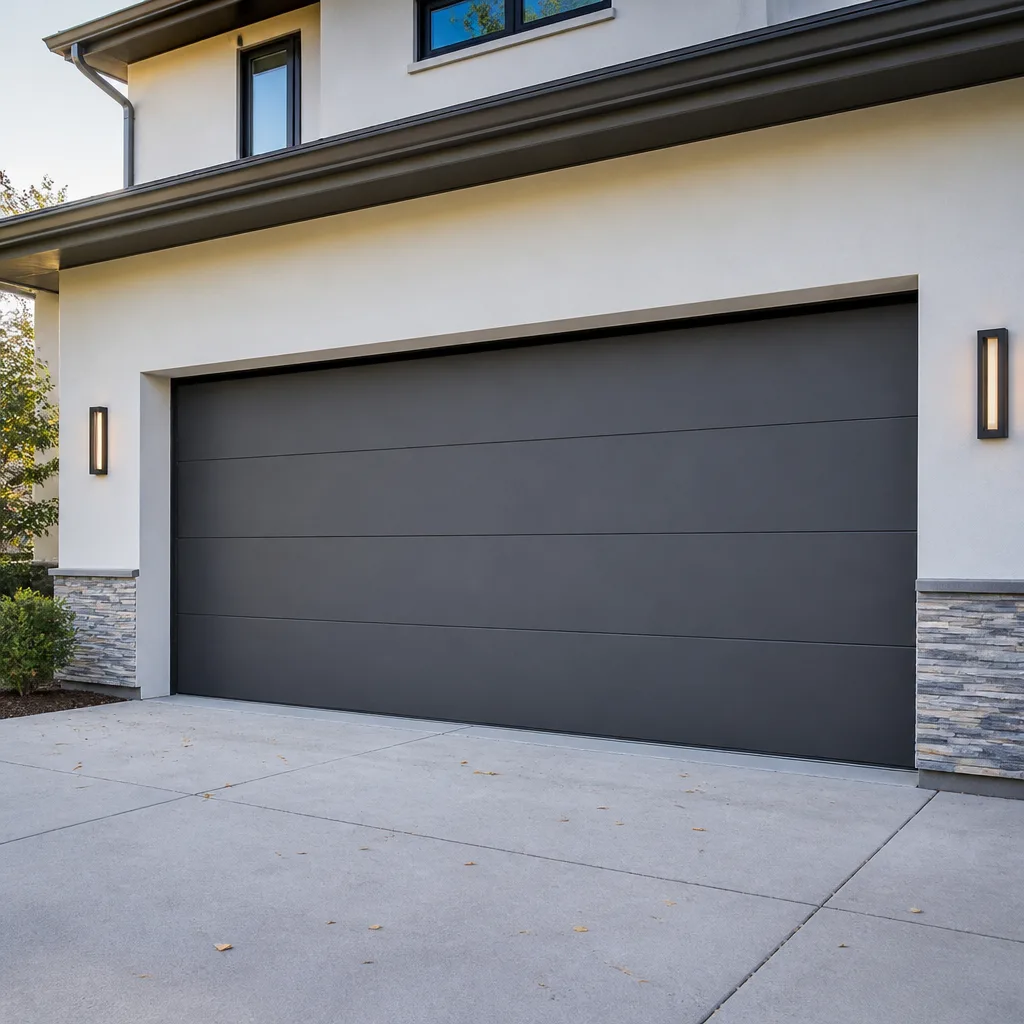 Modern flush
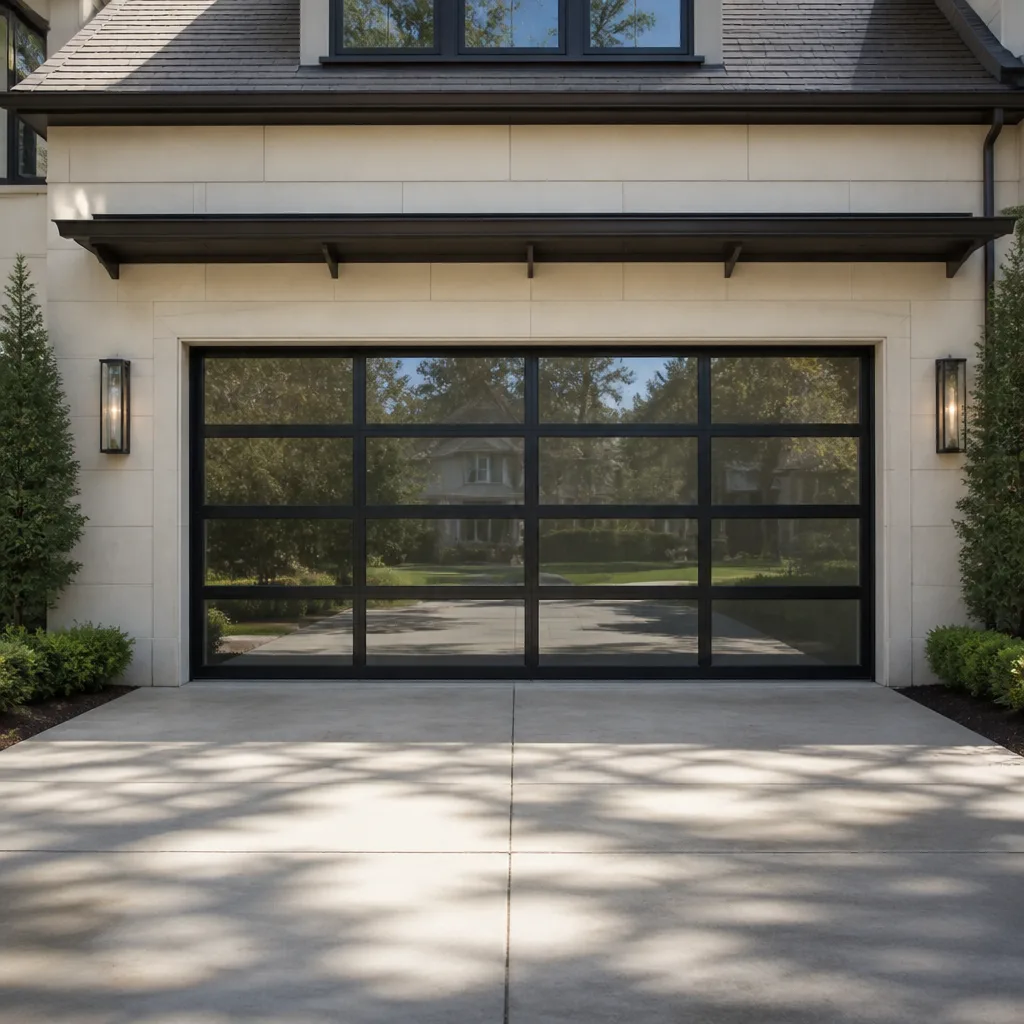 Full-view glass
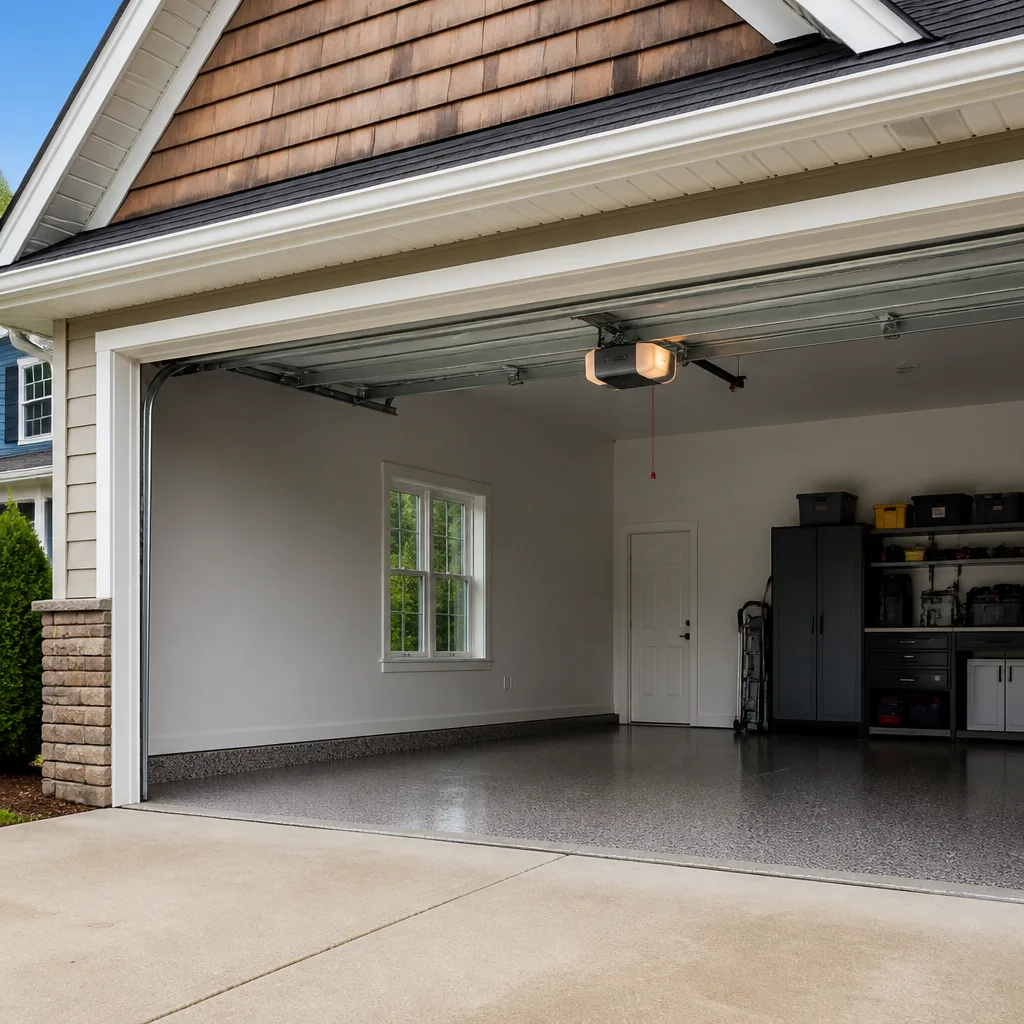 LiftMaster openers
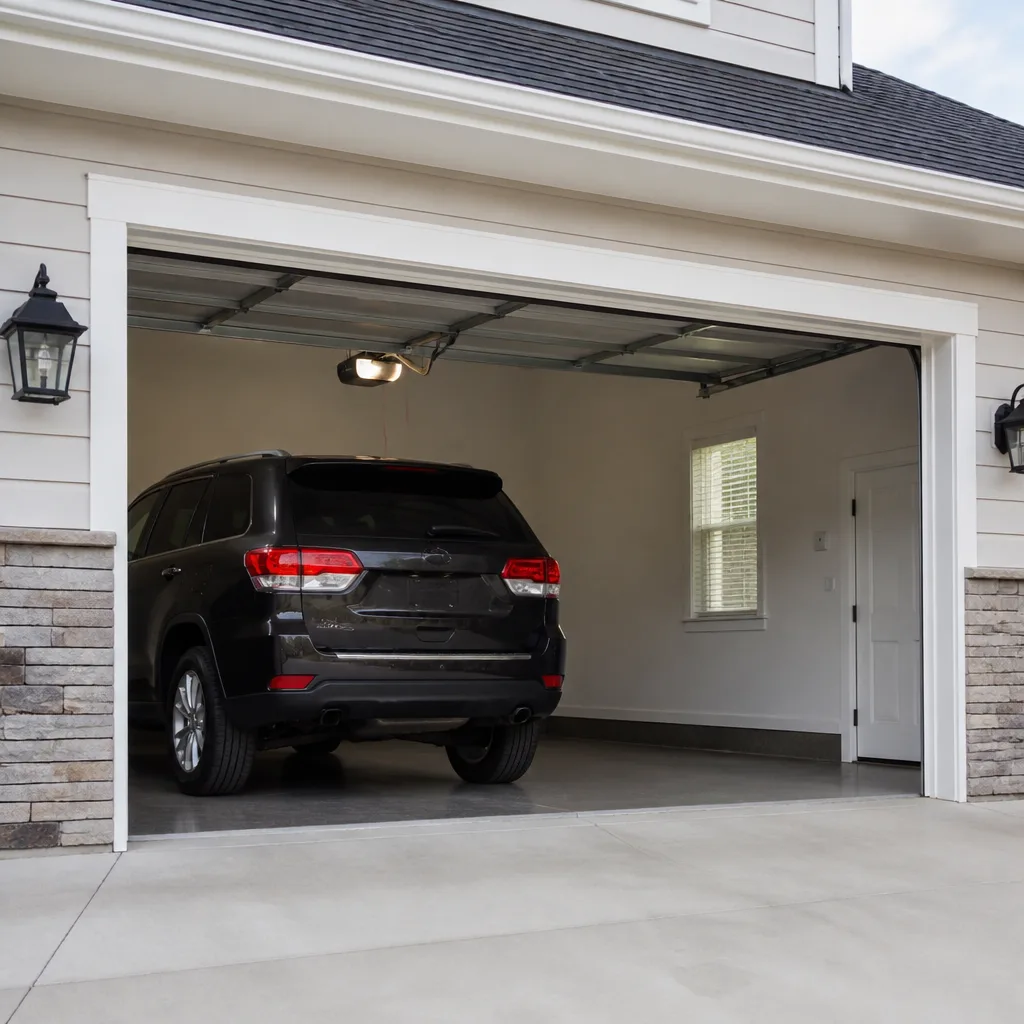 Chamberlain openers
Full 25-point door and opener safety check with every visit - springs, cables, rollers, tracks, and your LiftMaster or Chamberlain opener included
You get a price before we start. It does not change when the pro arrives.
Get your free estimateHow to Hire a Garage Door Contractor in Plainfield: A Step-by-Step Guide
Any contractor can say they do garage doors. What they can’t fake is brand-specific knowledge. Ask one technical question about the opener brand on your wall and the conversation reveals everything: whether you’re talking to a specialist who works on that system every week, or a general handyman who added “garage doors” to their service list last year. Most Plainfield homeowners don’t know which questions separate the two, so they compare three quotes on price alone and pick a name. This guide hands you the questions, the answers that should follow them, and the verification steps that take under five minutes.
Quick Answer
To hire a garage door contractor in Plainfield, NJ, verify three things before anyone touches your door: the contractor’s New Jersey registration through the state’s online Division of Consumer Affairs lookup, current liability insurance and workers’ compensation coverage with a certificate sent directly from the insurer, and specific experience with your door and opener brand. Ask what a written estimate includes, confirm the price is agreed before work starts, and never let anyone wind or cut springs without a professional. Price is the last thing to compare, not the first.
Styles & brands we work with
- Raised-panel steel
- Carriage house
- Modern flush
- Full-view glass
- LiftMaster openers
- Chamberlain openers
Table of Contents
- What New Jersey Requires: Registered Contractor vs. Licensed Contractor
- Five Diagnostic Questions to Ask Before You Get a Quote
- Red Flags Specific to Garage Door Work
- How to Verify Insurance and NJ Registration in Under Five Minutes
- What a Written Estimate Should Include
- Repair or Replace? How to Tell When the Answer Is Being Pushed
- Why Springs Get Their Own Conversation
- Common Mistakes to Avoid
- When to Call a Professional
- Frequently Asked Questions
What New Jersey Requires: Registered Contractor vs. Licensed Contractor
This is the first fork in the road, and it confuses almost everyone. New Jersey separates home improvement contractors from licensed trades. A home improvement contractor registers with the state through the Division of Consumer Affairs; that registration is required for most residential work over a low dollar threshold set by the state. A licensed contractor, by contrast, holds a trade license for work the state regulates separately, such as electrical or plumbing.
A garage door job usually sits in the home improvement lane: mechanical work on the door, springs, cables, rollers and tracks, plus the opener system. That means the contractor should carry a valid NJ home improvement contractor registration, and you should be able to find it in the state database before they arrive. What a garage door company should not do is run new electrical circuits to feed an opener where none exists. That crosses into electrical work and needs a licensed electrician.
So which one do you legally need? For the door and the opener swap itself, the registered home improvement contractor. For new wiring, the licensed electrician. Any garage door company worth hiring will tell you the same thing rather than quietly doing the electrical work themselves.
- Registration covers the residential contracting side: door replacement, spring work, opener installation, adjustments.
- A trade license covers regulated work like new electrical lines or panel changes.
- A written contract is required for many home improvement jobs in New Jersey, so expect paperwork rather than a handshake.
- Insurance is separate from both: registration does not prove insurance, so ask for the certificate.
If a contractor can’t tell you their registration status or brushes the question off as unnecessary, that’s your answer. Ask your town’s construction office if you’re unsure whether a specific job needs a permit. Most municipalities want a permit pulled for structural changes to the opening, and the contractor is usually the one who files it.
Five Diagnostic Questions to Ask Before You Get a Quote
You don’t need to be a garage door technician to spot one. You just need questions specific enough that a generalist can’t bluff through them. These five work on any door in Plainfield, from a 1950s single-car door in a Netherwood bungalow to a newer two-car setup near the downtown train station.
- “What’s your process when a torsion spring breaks on a low-clearance door?” A specialist answers with specifics: how they measure wire gauge and inside diameter to match the spring, how low headroom changes the hardware, whether the door has a rear torsion or a standard setup. A generalist says “we replace the spring.” Those are different answers, and only one is real.
- “What opener brand is on my wall, and what generation is it?” Point at your unit and listen. Someone who works on Genie, LiftMaster, Chamberlain and Craftsman systems regularly will name the model family and tell you whether parts are still available. A handyman will squint at the label.
- “How do you size a replacement spring?” The right answer involves cycle life and matching the original engineering, not grabbing whatever box is nearby. A company that treats spring repair as its own discipline will explain the difference between a standard-cycle and a high-cycle spring.
- “Do you service my door brand?” If you own a Clopay, Amarr or Wayne Dalton door, ask directly. A specialist who works those brands knows their panel profiles, hinge styles and track systems. A generalist will say yes to everything and figure it out on your driveway.
- “Will you diagnose the opener before recommending a new door?” This one catches the upsell. A door that won’t open is often an opener problem, a sensor problem or a broken spring. Someone who recommends replacement first, before diagnosis, is selling, not repairing.
Ask these before you ask for a price. The answers tell you whether the quote that follows is worth comparing. Our team is Plainfield Garage Door Repair Co, and we field these questions daily; a good contractor should welcome them, not dodge them.
Red Flags Specific to Garage Door Work
Garage doors have their own failure modes and their own version of the bad-actor playbook. Watch for these.
- Quoting over the phone without asking door dimensions. A real estimate needs the door width and height, the number of panels, the track configuration and the headroom. Anyone who throws out a number without asking is guessing, and the guess changes when they see the job.
- Recommending a full door replacement before diagnosing the opener. Opener failures, misaligned sensors and broken springs all look like “the door is dead.” A company that skips diagnosis and jumps to replacement is skipping the cheaper fix.
- Quoting one spring price for a matched pair. Most doors use two springs that should be replaced together. If the quote sounds like one spring but the work is two, the price will feel like a surprise at the end. Ask how many springs are in the quote.
- No written estimate, or one with a single line item. “Garage door repair: $XXX” tells you nothing about what’s included. See the written-estimate section below for what a real one looks like.
- Pressure to decide today. A real specialist gives you a written price and lets you think. Urgency in the sales pitch is a red flag in this trade.
- Unmarked vehicles and no verifiable business record. Ask for the registration and insurance certificate, and look up the business yourself before anyone climbs a ladder.
None of these are exotic. They’re the patterns we hear about from homeowners after a bad experience, and each one is avoidable with a few pointed questions asked up front.
How to Verify Insurance and NJ Registration in Under Five Minutes
You can check a contractor’s registration and insurance without any special knowledge. Here’s the sequence, and it takes about as long as brewing a cup of coffee.
- Look up the business on the state database. New Jersey’s Division of Consumer Affairs maintains an online registry of home improvement contractors. Search the business name or registration number and confirm the status is active and matches the name on the quote.
- Ask for a certificate of insurance, sent from the insurer. The certificate should show current general liability coverage and workers’ compensation. Ask them to have the insurer email it directly to you. A photocopy or a screenshot is easy to fake; a note from the carrier is not.
- Check the certificate dates. Confirm the policy is active for the dates of your job, not an expired version from a prior year.
- Confirm the name on the insurance matches the name on the registration and the contract. Mismatches are a sign the paperwork belongs to a different entity.
- Keep copies. If a dispute arises, you’ll want the registration status and the insurance certificate on file.
Five minutes here saves a much longer headache later. If a contractor resists sending an insurance certificate, or claims they’ll “send it after the job,” the answer is no. This is a standard request for every trade that works on your home, and a professional expects it.
Registration is also where the paper trail starts. If the contractor is required by New Jersey to hold a home improvement contractor registration to quote the work, verify it before the estimate, not after. Ask your town’s construction office or the state’s consumer affairs division for the current requirements if you want a definitive answer for your specific job.
What a Written Estimate Should Include
A written estimate is the single best window into how a company operates. Vague ones hide costs; specific ones protect both sides. Here’s what a proper garage door estimate should contain before you sign anything.
- Your door and opener details. Width, height, panel count, door brand, opener brand and model family. This proves they actually looked.
- The diagnosis. What’s broken and why. If the springs are the problem, say so specifically. If the opener logic board failed, name it.
- Line-item parts. Springs (and how many), cables, rollers, hinges, brackets, opener motor or board, sensors, remotes. Each with a price, not a lump.
- Labor, listed separately. So you can see what the work costs versus the parts.
- Brand and model of replacement parts. Not just “spring” but the size and cycle rating. Not just “opener” but the model family.
- Permit handling, if one is needed. Who pulls it and who pays for it, in writing.
- Warranty terms on parts and labor. Separately, with a duration.
- A stated total and the words “this is the price we agree to before work starts.” If a company won’t commit to that, walk.
A vague estimate hides one of three things: the chance the price moves once the door comes apart, missing work that will be tacked on later, or unclear responsibility if a permit is needed. Ask for the line items and read them. If your door is an older Clopay or Wayne Dalton panel door, the estimate should reflect parts that actually fit that system, not generic hardware from a hardware store shelf.
For typical estimate structures and what a repair visit involves, our garage door repair page walks through the specifics. The point here is simpler: the written estimate is the price, and anything the contractor couldn’t fit into it should be added before you approve it, not after.
Repair or Replace? How to Tell When the Answer Is Being Pushed
This is where a lot of Plainfield homeowners feel confused after getting a bid. One company says repair; another says the door needs to be replaced. Both can be right in different situations, but the way they got there tells you which one to trust.
Repair usually makes sense when the structure is sound: the panels aren’t rusted through, the tracks are straight, the door hangs balanced, and the failure is mechanical – a spring, a cable, a roller, an opener board. Replace usually makes sense when the door is structurally failing, the panels are severely damaged, or the door is so old that replacement parts for its specific brand are no longer made. The difference between those two situations is diagnosis, and diagnosis is what you’re paying for the moment a contractor steps onto your driveway.
- Ask what fails first if you only repair. A real specialist has a considered answer. A salesperson doesn’t.
- Ask whether the same problem will return in a year. If the answer is “probably,” that’s your signal to weigh replacement.
- Ask what a replacement door would include. Full installation, tracks, hardware and springs as a set, not just a panel swap.
- Ask whether the opener is also at end of life. The door and the opener are separate systems, and the best decision sometimes fixes one and leaves the other.
If a door needs to be replaced, the process is scheduled and measured – not same-day. Any company promising same-day installation for a new door is either installing something that’s already sitting in a warehouse or not being straight with you. A free measure and a written price should come first, then the install date.
Why Springs Get Their Own Conversation
Torsion springs and the cables that run with them store enormous tension. When they let go, they release that energy instantly. This is not a repair anyone should attempt without the right tools and training, and it’s the single biggest reason to hire a specialist rather than a generalist, even if the generalist is a skilled tradesperson in another area.
Here’s what a safe spring job looks like from the homeowner’s side, without giving you instructions you shouldn’t follow:
- The technician identifies the spring type, wire gauge and inside diameter before replacing anything. Mismatched springs cause premature failure and stress the door.
- They replace matching springs as a pair when the door is designed for two. One new spring and one old spring is a short road back to a broken door.
- They wind the springs with proper tooling, with the door in a controlled state. Never with a screwdriver, never by hand, never with the door partly open.
- They test balance and travel after the replacement and adjust cables and tracks as needed.
If you hear a loud bang from the garage and the door won’t lift, stop. Don’t pull the emergency release. Don’t try to raise the door by hand. Call a professional. The door is under tension and can move unexpectedly. Our technicians have up to 8 years of experience, and we handle garage door spring repair as its own safety-critical service, not as a line item inside a general repair call. That distinction matters when the job is this one.
For more on typical costs and what to expect, the spring page covers estimates in detail. The hiring rule is simple: ask the spring question first. The contractor’s answer tells you whether they treat this work with the respect it deserves.
Common Mistakes to Avoid
- Comparing three quotes on price alone. A $30 difference between two line-item estimates can hide a $200 difference in what’s included. Compare scope, parts and warranty, not just the total.
- Skipping the registration lookup. Under five minutes on the state’s online database tells you whether the business is registered to do residential work in New Jersey. Skipping it is how homeowners end up with an uninsured contractor on their property.
- Accepting a phone quote without a site visit. A written estimate on a garage door requires a look at the actual door, the headroom, and the opener. A phone number is a guess, and it rarely survives the visit.
- Not asking how many springs the quote covers. Most doors have two. If the estimate is for one and the job needs two, the price will nearly double at the end. Ask first.
- Letting the opener get diagnosed last. A door that won’t move often has an opener or sensor problem, not a broken door. Accepting a replacement before a real diagnosis is the most common expensive mistake in this trade.
- Ignoring a mismatched estimate. If the business name on the quote doesn’t match the one on the registration and the insurance certificate, stop. That mismatch is a warning sign.
- Trying to free a stuck door yourself. Springs and cables hold real force. A door that won’t move isn’t the moment to experiment; it’s the moment to call someone who does this every week.
Each of these is avoidable with the questions earlier in this guide. The pattern behind all of them is the same: a generalist can talk a good game on the phone, but they can’t answer the diagnostic questions with real depth.
When to Call a Professional
Some situations can wait for a scheduled estimate. Others shouldn’t wait at all. Call a professional immediately if your spring has snapped and the door won’t lift, if a cable is loose or frayed, if the door hangs crooked or comes off a track, or if the door won’t stay closed after dark. All of those are safety issues, not conveniences. Call for a scheduled estimate if the opener is behaving oddly, if the door closes unevenly but stays on track, if the remotes or sensors are inconsistent, or if you’re considering a door replacement. If your door fails outside standard business hours, Plainfield Garage Door Repair Co offers emergency garage door service rather than asking you to wait for a next-day appointment, and we handle the opener side too: our garage door opener repair covers Genie, LiftMaster, Chamberlain and Craftsman systems from older models through current connected models. For a scheduled job, call and we’ll book a free visit and a written estimate.
Frequently Asked Questions
Verify three things before hiring: the contractor’s active New Jersey home improvement contractor registration through the state’s online Division of Consumer Affairs lookup, a current certificate of insurance sent from the insurer, and specific brand experience with your door and opener. All three checks take under five minutes. If the business name on the quote, the registration and the insurance certificate don’t match, don’t hire. Call (855) 707-0472 for an exact quote on your job once you’ve checked.
Sometimes. Repairs to springs, cables, rollers or an opener generally don’t need a permit, but structural changes to the opening, new headers, or a full replacement may be treated differently by the town. Permit rules in New Jersey vary by municipality, so ask the Plainfield construction office for your specific job. A professional contractor will tell you whether a permit is needed and can handle the paperwork. Call (855) 707-0472 to get a clear answer for your situation before scheduling.
Ask five questions: your process when a torsion spring breaks on a low-clearance door, what opener brand is on my wall, how do you size a replacement spring, do you service my door brand, and will you diagnose the opener before recommending a new door. A specialist answers with specifics. A generalist stumbles. If you’re not satisfied with the answers you get, call (855) 707-0472 for a free estimate on your door.
No credible contractor can. A real garage door estimate requires the door’s actual width, height, panel count, headroom and opener model, which means a site visit. Anyone quoting over the phone without those details is guessing, and the guess usually changes once they arrive. Get a free measure and a written estimate instead. Call (855) 707-0472 to schedule yours; estimates are free.
The door and opener work itself is usually home improvement contracting, which requires state registration rather than a trade license. New electrical wiring to feed a newly installed opener is the exception: that part belongs to a licensed electrician. A good garage door company will flag the electrical work and not do it themselves. Call (855) 707-0472 to discuss your job and we’ll tell you upfront if electrical work is part of it.
Repair makes sense when the door’s structure is sound and the failure is mechanical (springs, cables, opener, sensors). Replacement makes sense when the panels are damaged, the door is structurally failing, or its brand no longer provides parts. The difference comes from proper diagnosis, which is what you’re paying for. If you’re being pushed toward replacement before anyone has diagnosed the opener or the springs, get a second opinion. Call (855) 707-0472 for a free diagnostic visit.
The Bottom Line
Hiring a garage door contractor in Plainfield comes down to three checks and one conversation. Verify registration, verify insurance, verify brand experience, then ask the five diagnostic questions – the spring process, the opener brand, the spring sizing, brand compatibility, and opener-first diagnosis. A specialist answers all five with specifics. A generalist answers vaguely and hopes you won’t notice. Don’t compare quotes on price alone; compare what they include. And don’t let a broken spring or a failed opener get diagnosed by a salesperson before a technician looks at it. For a free estimate in Plainfield, call Plainfield Garage Door Repair Co at (855) 707-0472, and we’ll walk you through the same questions we’ve laid out here.
Written by the team at Plainfield Garage Door Repair Co.
See the difference
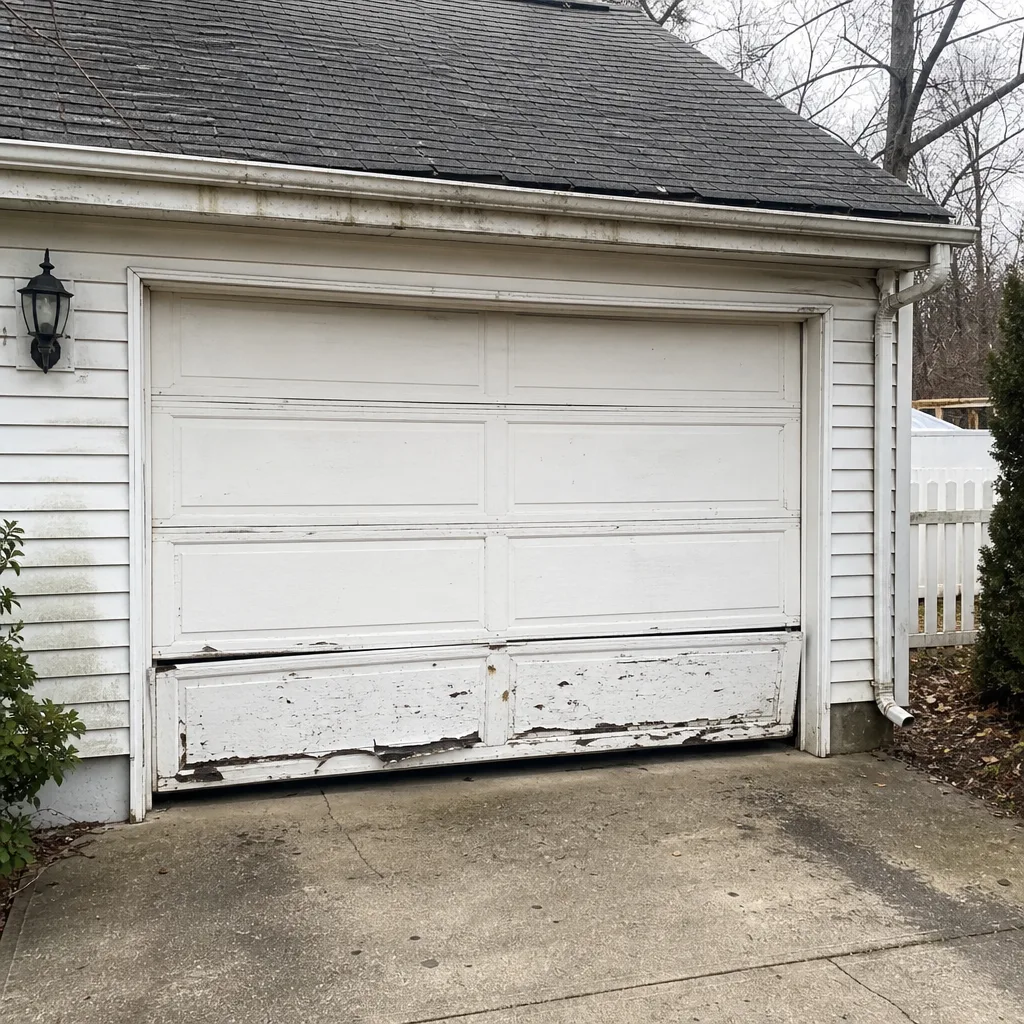 Before
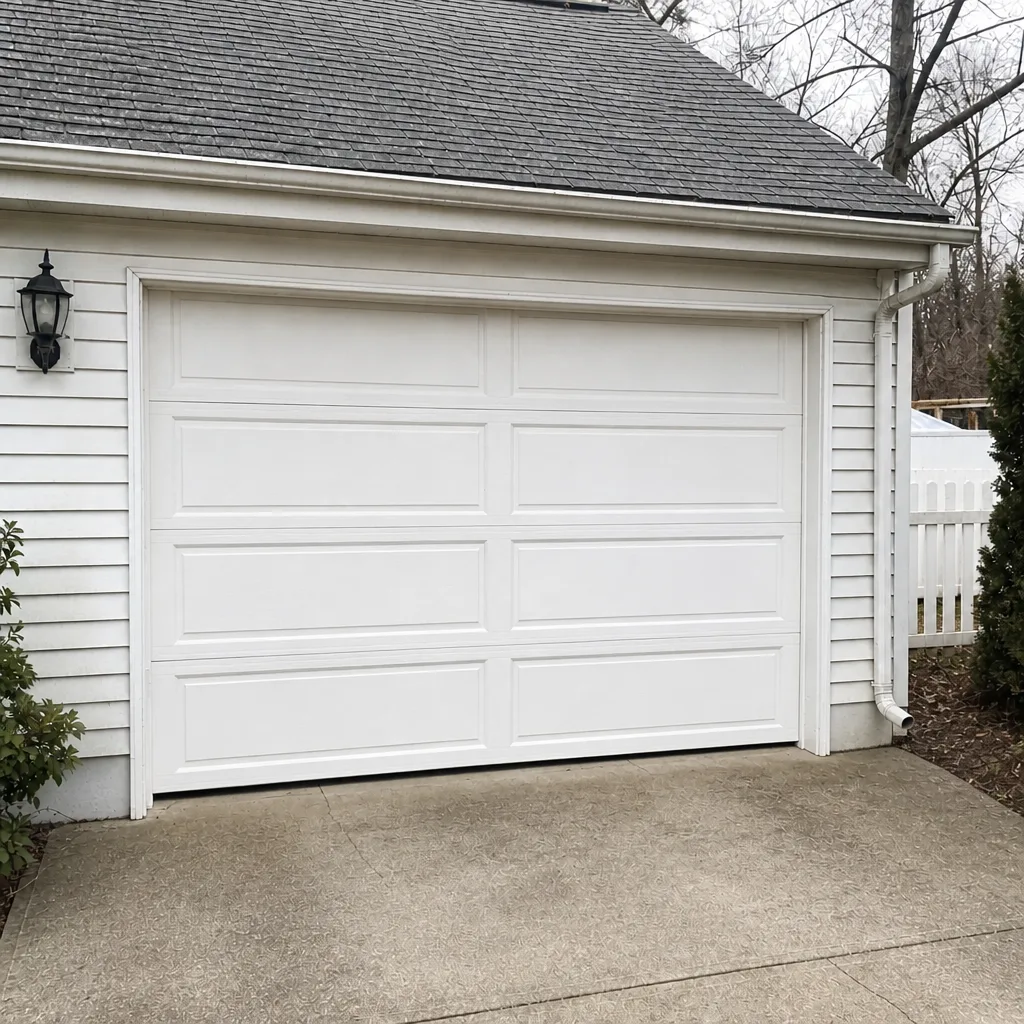 After
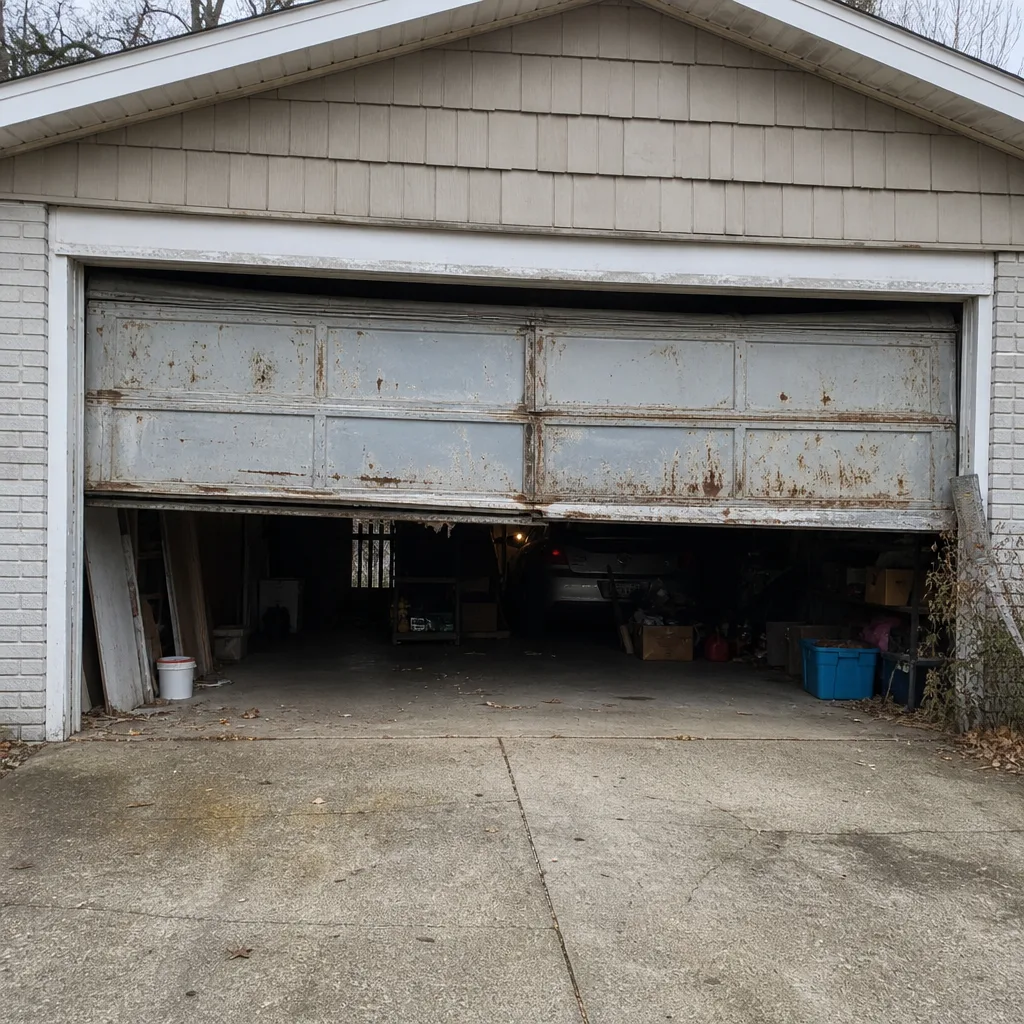 Before
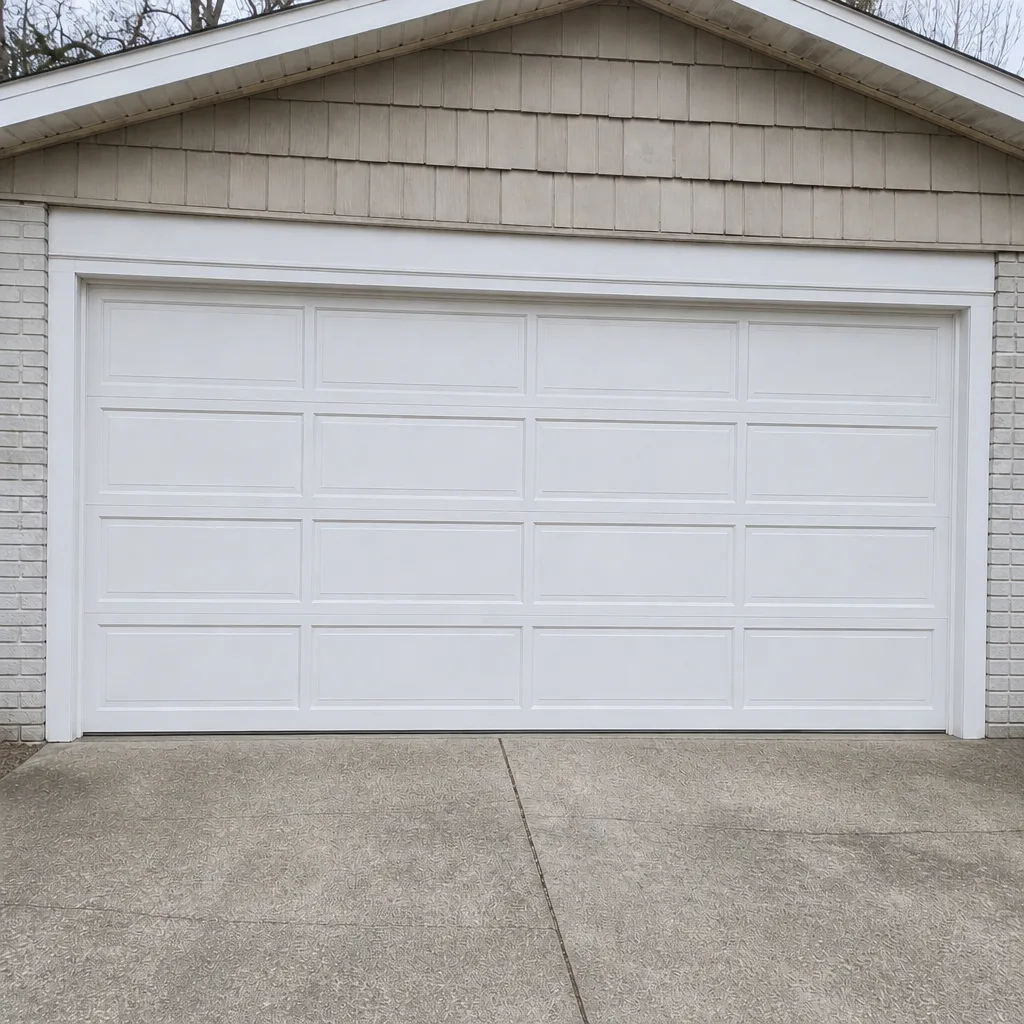 After
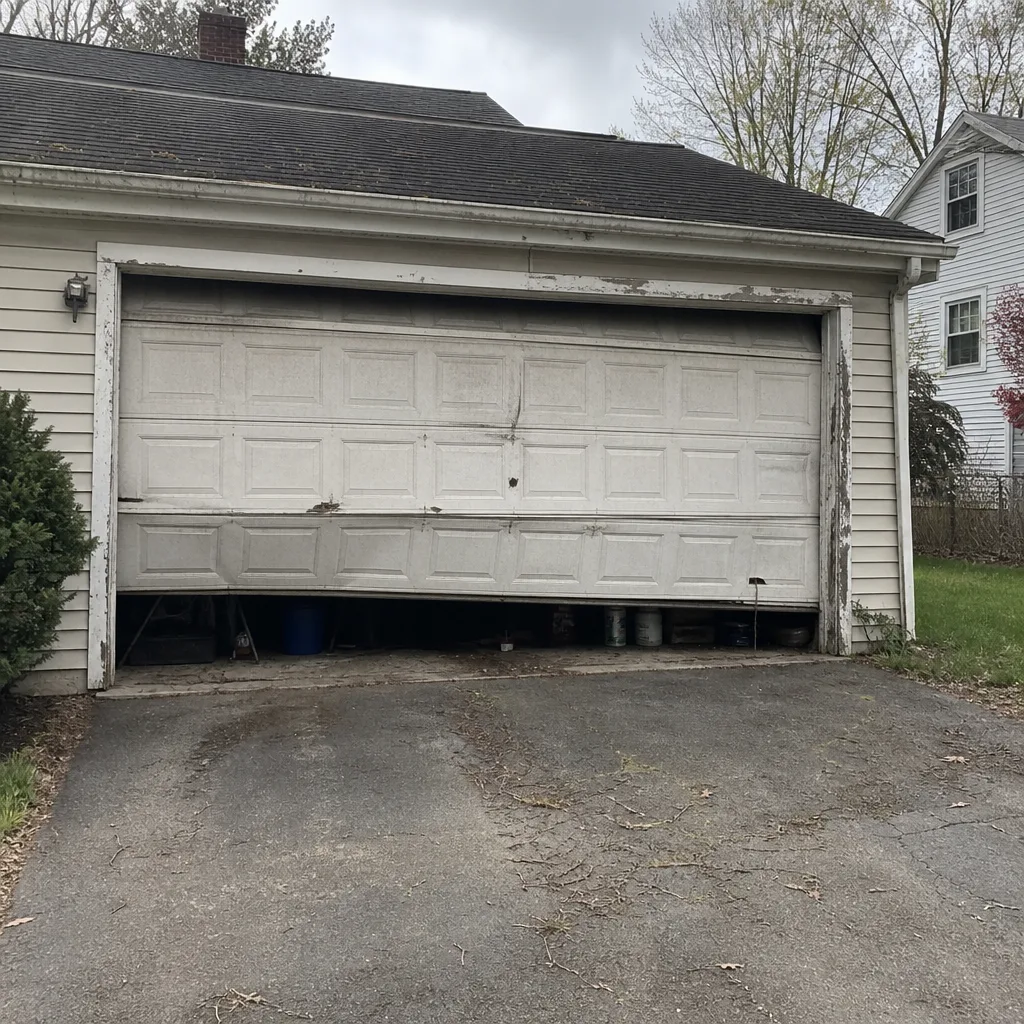 Before
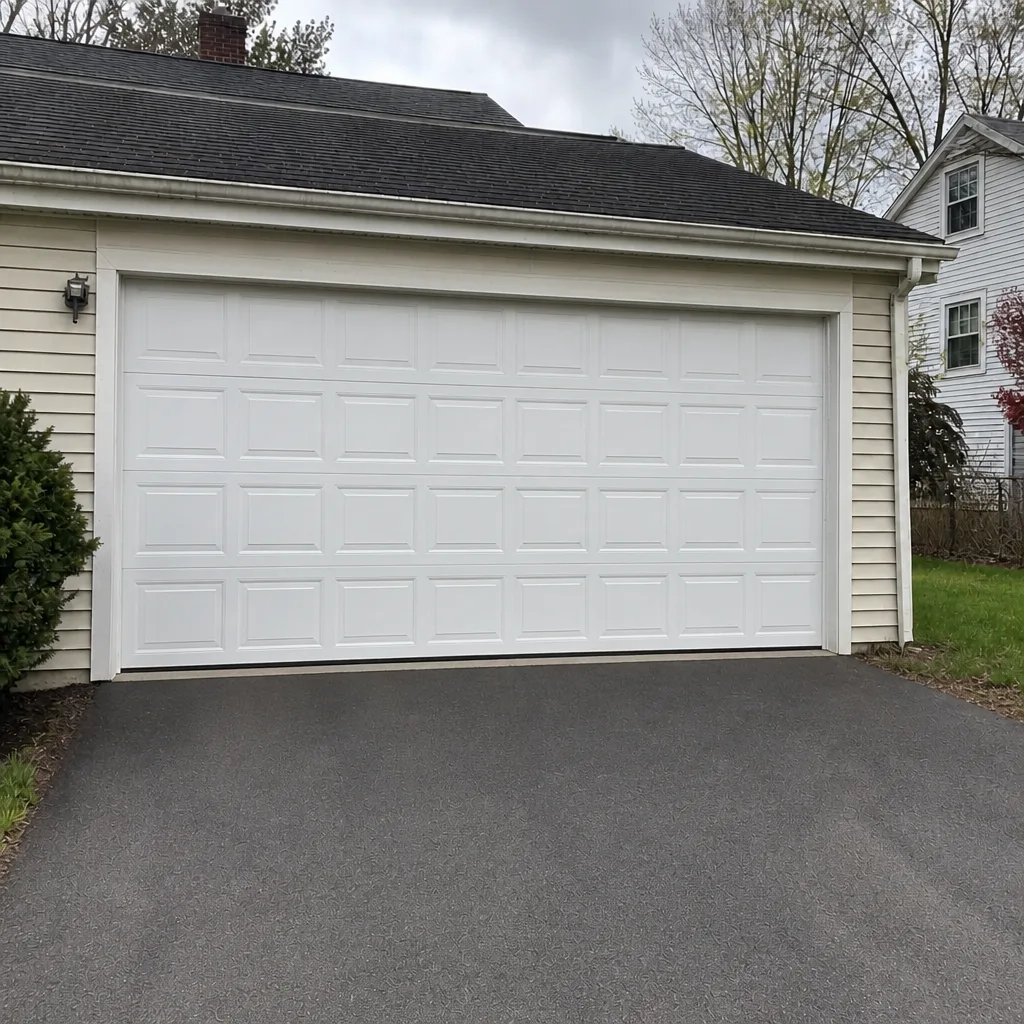 After