Last updated November 21, 2026
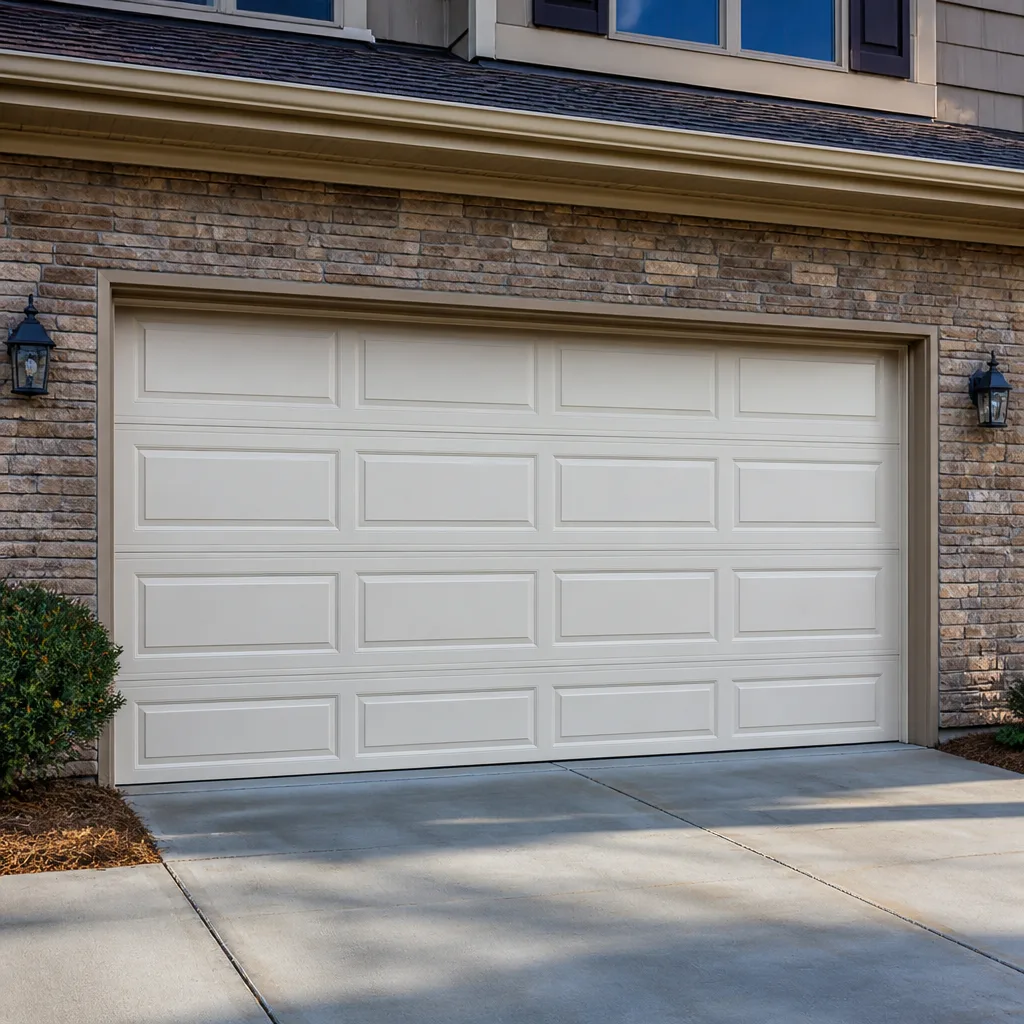 Raised-panel steel
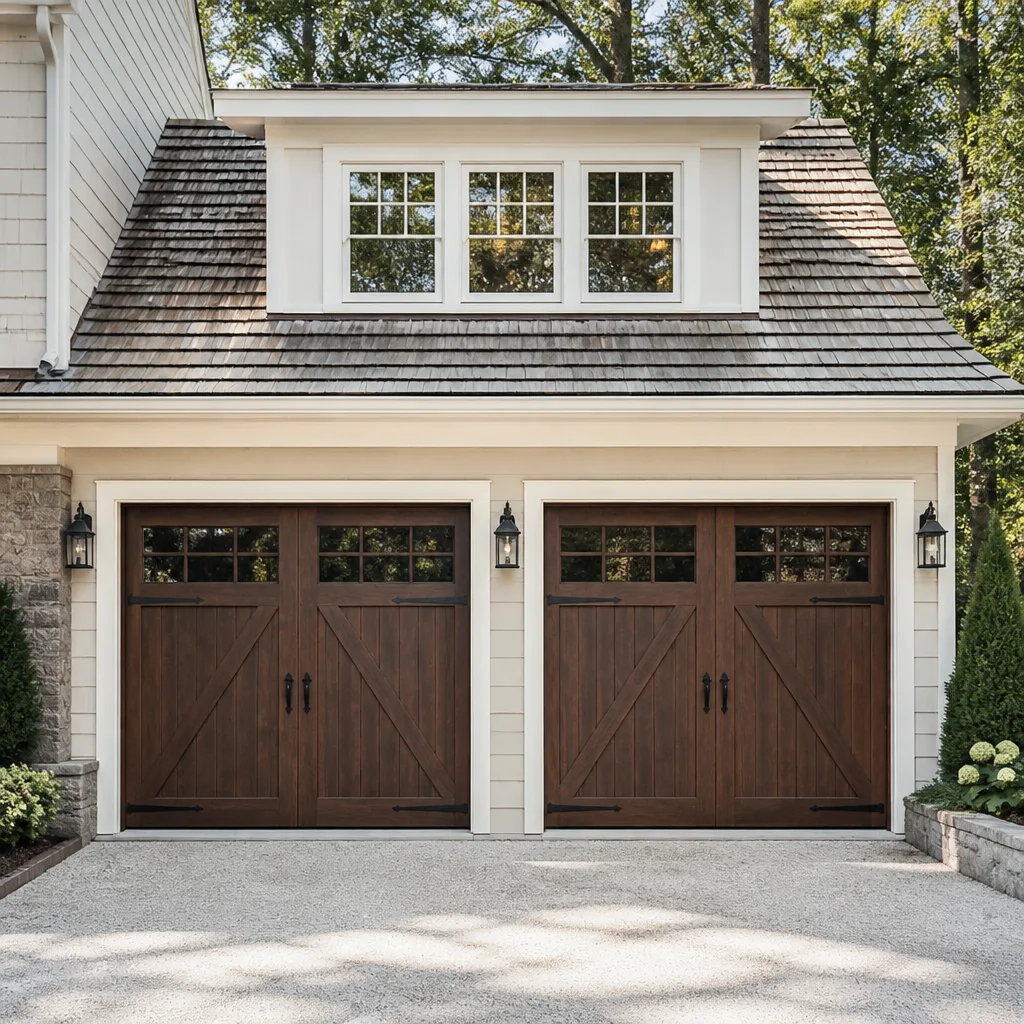 Carriage house
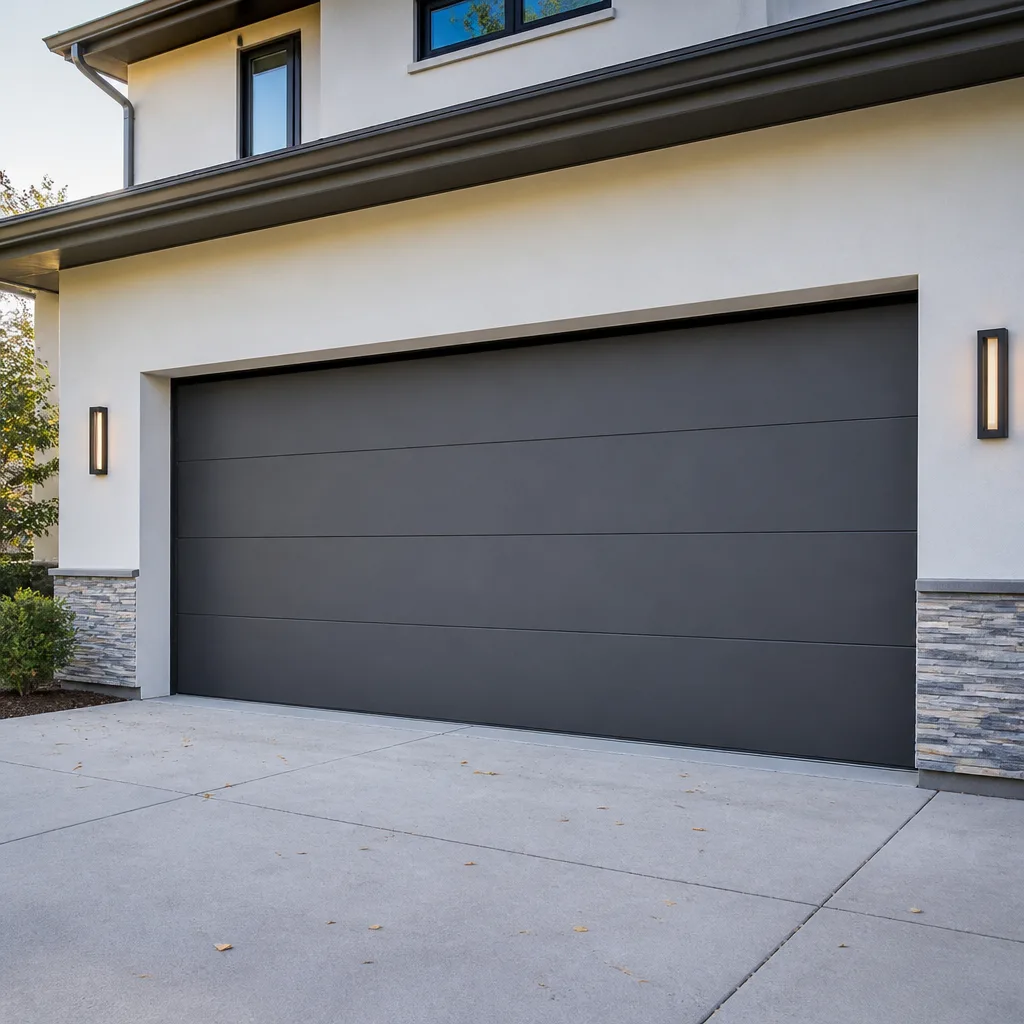 Modern flush
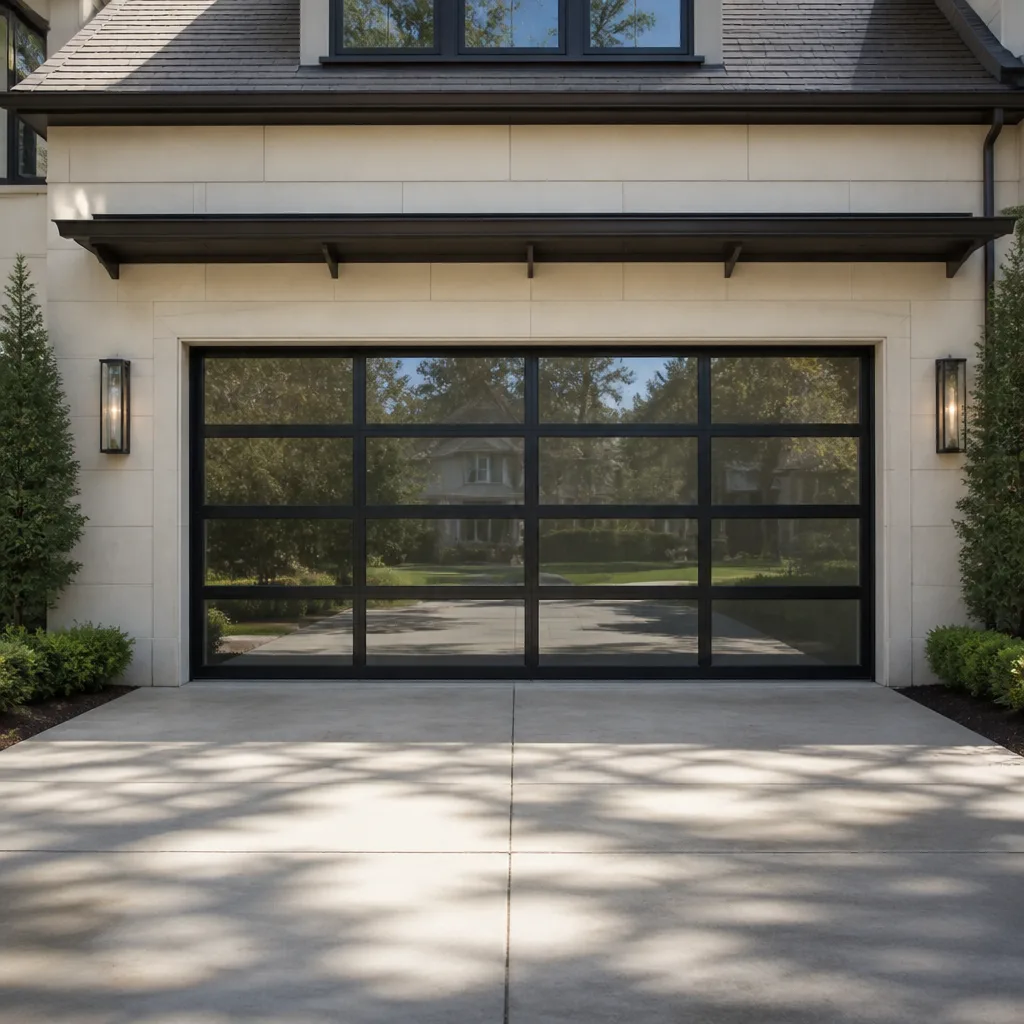 Full-view glass
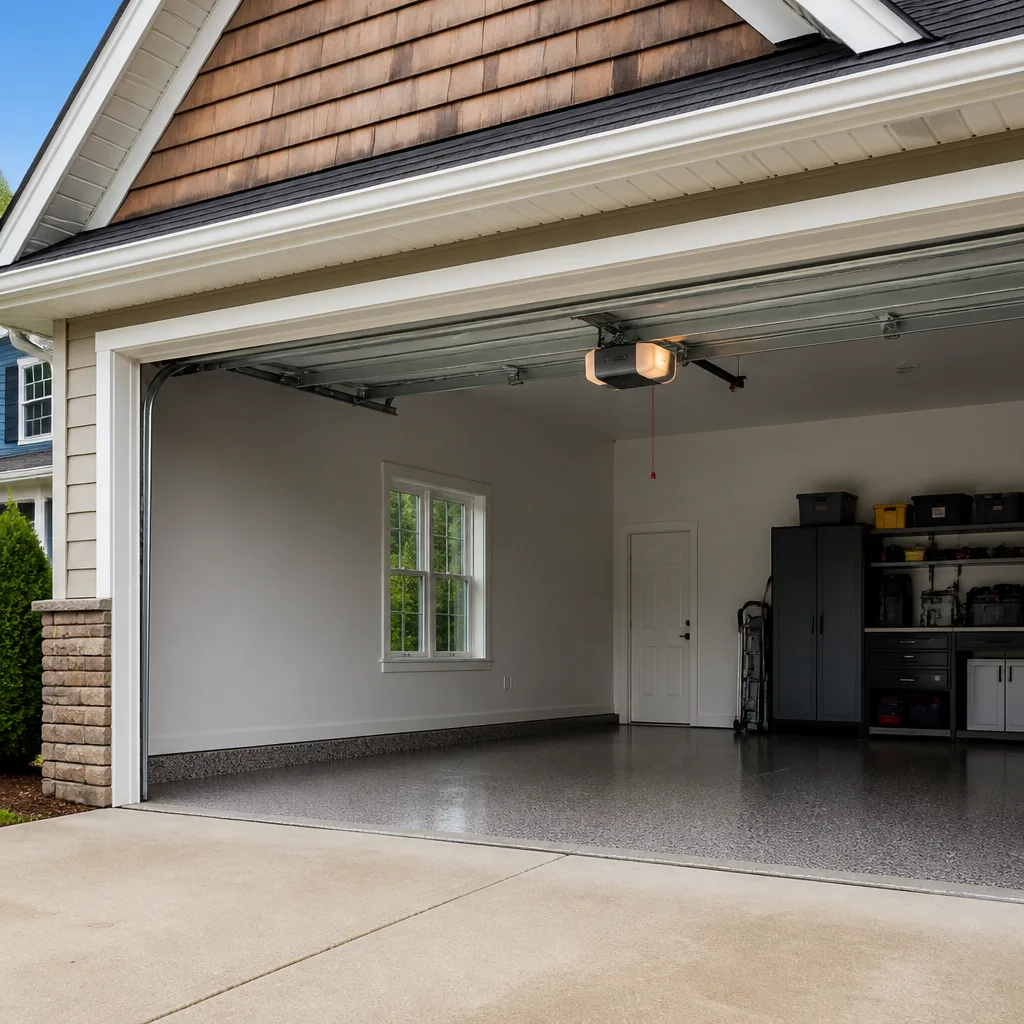 LiftMaster openers
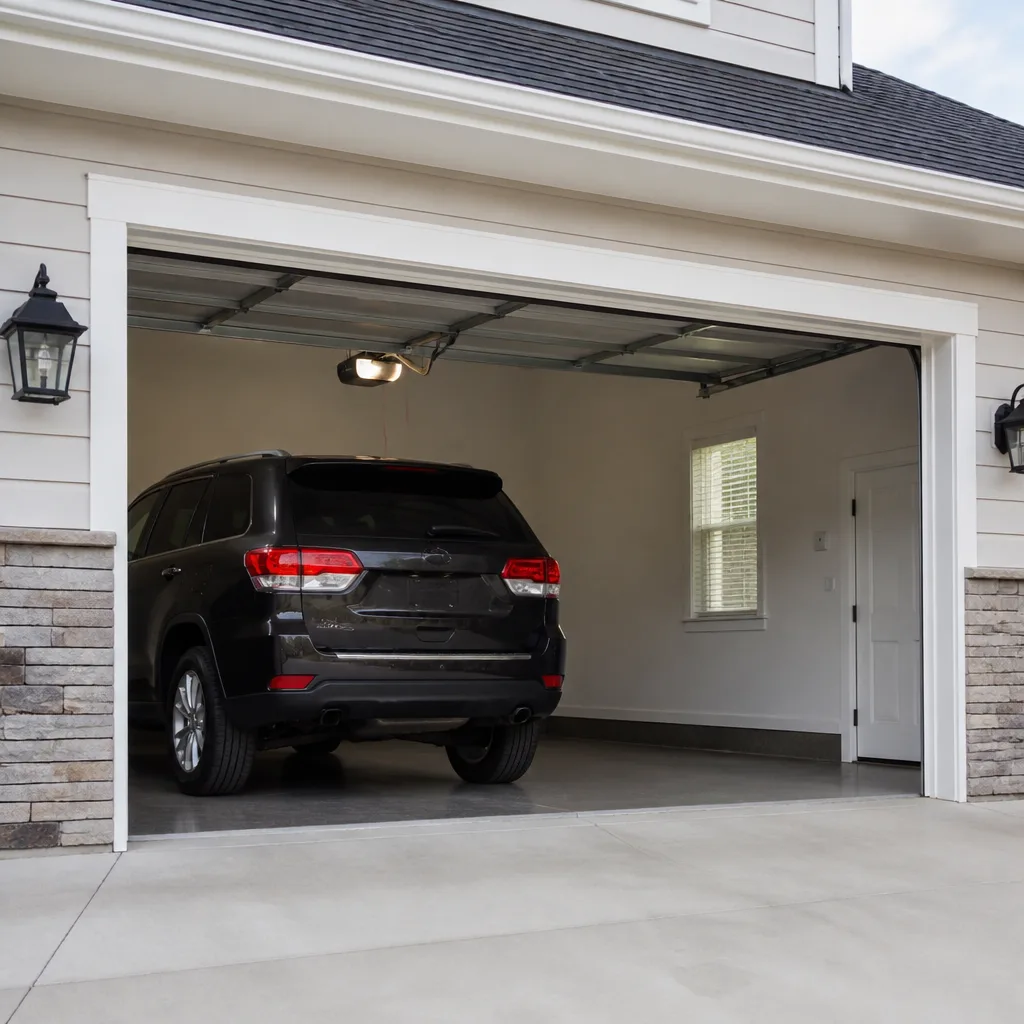 Chamberlain openers
Full 25-point door and opener safety check with every visit - springs, cables, rollers, tracks, and your LiftMaster or Chamberlain opener included
You get a price before we start. It does not change when the pro arrives.
Get your free estimateGarage Door Cost Breakdown: The Plainfield Homeowner’s Reference for 2026
Two homeowners on the same block can replace what looks like the same garage door and pay wildly different prices. One pays around $800. The other pays closer to $3,200. The difference isn’t luck and it isn’t haggling skill. It comes down to four variables that most quotes never spell out: door material and gauge, whether the tracks and hardware get replaced with the panels, what your opener can actually carry, and how the old door leaves your property. Contractors who want the job don’t always volunteer those details upfront.
This guide is built for Plainfield homeowners who want to read a quote and know what they’re looking at before signing. We’ll walk through 2026 labor rates in Union County, material tiers with real price bands, the line items that quietly inflate a bill, repair-versus-replace thresholds by component, and how to spot a vague estimate. Plainfield has its own housing stock and its own pricing realities, and this reference treats them that way.
Quick Answer
Garage door replacement in Plainfield, NJ typically runs $950 to $2,400 for a single door and $1,600 to $3,800 for a double door in 2026, installed, depending on material, insulation, and whether tracks and hardware are included. Straight repair work is far cheaper: spring replacement is usually $180 to $340 per spring, opener repair commonly lands between $150 and $450, and panel or roller work often falls under $300. The written estimate you receive after a measure is the final price.
Styles & brands we work with
- Raised-panel steel
- Carriage house
- Modern flush
- Full-view glass
- LiftMaster openers
- Chamberlain openers
Table of Contents
- What do garage door technicians charge in Union County in 2026?
- How much do steel, aluminum, and wood composite doors cost in Plainfield?
- Which hidden costs inflate a garage door quote?
- When does repair stop making sense and replacement start?
- How do you read a Plainfield contractor’s itemized quote line by line?
- What does opener replacement add to the total?
- How does Plainfield’s climate affect door and hardware costs?
- Common mistakes to avoid
What do garage door technicians charge in Union County in 2026?
Garage door labor in Union County generally runs $95 to $145 per hour for standard scheduled work in 2026, with emergency calls pushing toward $150 to $225 per hour. Most residential jobs are quoted flat-rate rather than hourly, but the labor rate sits underneath that flat number, so it’s useful to know the range when you compare bids. A single-door install typically carries $350 to $600 in labor; a double door carries more because of weight, panel count, and the extra time to align two torsion systems instead of one.
What drives variation in Plainfield specifically? Several things.
- Door size. A single door is lighter and faster to hang. A double door needs two people minimum and more careful spring calibration.
- Emergency versus standard. A door stuck open overnight or a car trapped inside is emergency work, and it prices accordingly. Scheduled work prices lower. We treat emergency availability as a service line, not a surcharge scheme, but the labor reality is different at 9pm than at 9am.
- Access. A tight garage with a low ceiling, a finished ceiling, or storage piled against the tracks adds time. Narrow driveways that block a truck’s approach add time too.
- Old hardware. Replacing a door on 30-year-old tracks usually means replacing the tracks, and that labor shows up as a separate line.
- Brand familiarity. Technicians who work a given brand regularly move faster. Our technicians have up to 8 years of experience and work across LiftMaster, Chamberlain, Genie, Clopay, Amarr, Wayne Dalton, Craftsman, and Raynor systems, which shortens diagnostic time on those products.
Plainfield’s housing mix matters here. The city has a deep stock of older homes near the downtown and along the Front Street corridor, many with original single-car garages that were built for lighter doors. Upgrading one of those to an insulated steel door often requires reinforcing the framing and swapping the springs, and that’s where labor climbs.
How much do steel, aluminum, and wood composite doors cost in Plainfield?
Material is the single biggest swing in a garage door quote. In Plainfield for 2026, a basic non-insulated steel single door starts around $600 to $850 for the door alone, while a fully insulated wood composite double door can reach $2,600 to $3,600 before installation. Here’s how the tiers break down, with realistic installed ranges for a single door.
| Material | Door only (single) | Installed (single) | Best for |
|---|---|---|---|
| Non-insulated steel | $600 – $850 | $950 – $1,300 | Budget replacement, detached garages |
| Insulated steel | $850 – $1,450 | $1,250 – $1,900 | Attached garages, bedrooms above |
| Aluminum (full-view) | $1,200 – $2,100 | $1,700 – $2,700 | Modern look, glass panels |
| Wood composite | $1,600 – $2,800 | $2,200 – $3,400 | Curb appeal, older home matching |
Insulation is the variable most homeowners skip past. A non-insulated steel door in an attached garage lets cold air pour into the room above it all winter, and Plainfield winters are cold enough that this shows up on heating bills. Insulated panels cost $200 to $500 more and are usually worth it for attached garages. For detached garages or sheds, they rarely pay back.
Brand also shapes material cost and, more importantly, parts availability. Clopay and Amarr dominate the steel and composite market and their panels are widely stocked in the region. Wayne Dalton doors have some proprietary hardware worth asking about specifically before you commit. Raynor doors trend heavier and pricier but hold up well. Ask which brand your quote specifies and why.
Which hidden costs inflate a garage door quote?
The gap between the advertised price and the final invoice usually comes from three line items. Ask about each one before you sign.
- Haul-away of the old door. Disposal typically adds $75 to $175. Some quotes include it, some don’t. Old steel doors are heavy and awkward, and a contractor hauling one to a Union County transfer station isn’t doing it for free. If the number isn’t on the quote, it will be added later or you’ll be moving the door yourself.
- Track and hardware replacement. A quote for “door replacement” often means panels only. If your tracks are bent, rusted, or the wrong size for the new door, they need to come out, and that adds $200 to $500. Reusing worn tracks on a brand-new door wears the new rollers fast and shortens the door’s life.
- Opener compatibility upgrades. If your opener was built for a lighter door, a heavier insulated replacement may exceed its lifting capacity. New openers typically add $350 to $750 installed. Older Craftsman and Genie units sometimes need a new rail or a different arm, and that’s another $100 to $200.
There are smaller ones too. A permit, when the city requires one, usually adds $50 to $150. Ask Plainfield’s building department whether your specific job needs one; requirements vary by work type. Sensor realignment, weather seal replacement, and spring upgrades for the heavier door are all legitimate line items, but each should appear as its own number rather than getting folded into a lump “installation” figure.
When does repair stop making sense and replacement start?
The rule of thumb most honest contractors use: when a repair costs more than half the price of a new door, replacement wins. But the threshold shifts by component, and it’s worth knowing where each one sits.
- Springs. Repair. Springs fail routinely and replacing a pair for $360 to $680 is far cheaper than a new door. Always replace both springs on a double-spring door even if only one broke; a matched pair wears evenly.
- Rollers and hinges. Repair. Rollers run $10 to $25 each, hinges similar. Full roller replacement is $100 to $200 in labor.
- Panels. Repair up to a point. One dented bottom panel costs $150 to $350 to replace. Three or four damaged panels across the door, and you’re at or past half the door’s value, so replacement starts looking better.
- Tracks. Repair. Bent tracks can be straightened; badly kinked ones get replaced for $200 to $450.
- Cables. Repair. Cables fray over time and a single cable replacement runs $100 to $200. Both cables should be done together.
- Opener. Repair if the unit is under 12 years old and parts are available. Replace past that point, or when the logic board fails on a discontinued model.
- Structural door damage. Replace. A cracked or bent frame on an older door rarely repairs cleanly.
One more threshold: if you’ve spent more than 40% of a new door’s cost on repairs within a two-year stretch, replacement usually makes better financial sense than another round. That’s not a hard rule, but a reasonable way to think about it. A dedicated garage door spring repair call on its own is almost always the right move, because the springs aren’t the door – replacing a sound door because a spring broke wastes the door.
How do you read a Plainfield contractor’s itemized quote line by line?
A trustworthy quote reads like a materials list with prices attached. Here’s how to work through one in the right order.
- Start at the top: brand and model. A quote that says “16×7 steel door” without a brand or model number leaves the contractor free to install whatever’s cheapest. Clopay, Amarr, Wayne Dalton, and Raynor all make doors in that size at very different price points. The model number should be stated.
- Check what’s included with the door. Panels, tracks, springs, hinges, rollers, and weather seal should each appear or be noted as included. If some are excluded, price them separately before comparing quotes.
- Look at the opener line. If a new opener is part of the job, the brand and model should be named. LiftMaster and Chamberlain dominate the market and are worth the small premium for parts availability.
- Find the labor line. It may be broken out or bundled into the installed price. Either is fine, but the quote should say which.
- Confirm disposal and permit. “Haul-away included” or “hauler fee $X” should appear explicitly. Same for permit responsibility.
- Read the exclusions. A good quote names what it does not cover: framing repairs, electrical work for a new opener circuit, sensor relocation, painting. That list prevents the surprise.
- Confirm warranty terms in writing. Manufacturer warranty on the door, labor warranty in years, and what voids either.
- Check the total against the range. If the quote is far below the ranges in this guide, ask what’s missing. If it’s far above, ask which line item is carrying the difference.
One Plainfield-specific note: many of the city’s older homes have low garage ceilings or exposed joists, and a quote that doesn’t mention ceiling height or headroom is measuring generically. Measure twice before ordering.
What does opener replacement add to the total?
Opener replacement in Plainfield for 2026 typically runs $350 to $750 installed for a standard belt or chain drive, and $450 to $850 for a smart or connected unit. That range includes the unit, the labor, and reusing the existing wiring in most cases. If the wiring needs to be redone, add $100 to $250.
What’s worth knowing before you buy one:
- Belt over chain. Belt drives are quieter and well-suited to attached garages with a bedroom above. Chain drives are cheaper and last longer but rattle. Given how many Plainfield garages sit right under living space, belt is usually the right call.
- Smart compatibility. Chamberlain and LiftMaster units pair natively with their respective apps. Genie and Craftsman use their own ecosystems. Confirm the app works with your phone before you commit.
- Lifting capacity. If you’re upgrading to a heavier insulated door, the new opener needs the headroom (force) to move it. This is a real compatibility issue and one of the most common reasons a new door feels sluggish.
- Battery backup. Some states require it on new installs; New Jersey doesn’t mandate it for residential replacements, but it’s worth the extra $50 to $100 if power reliability is a concern where you are.
Opener repair, as opposed to replacement, often costs less than a fifth of the new-unit price. If the door moves but the opener misbehaves (stops mid-travel, reverses for no reason, logic board dead), start with garage door opener repair and only replace if the unit is at end of life.
How does Plainfield’s climate affect door and hardware costs?
Plainfield sits inland in Union County, with four full seasons and cold winters that push hard on garage door hardware. That has three cost implications worth budgeting for.
First, insulation matters more than it does in milder climates. An attached garage that shares a wall or ceiling with living space leaks heat all winter, and a single-panel steel door with no insulation is essentially an open window on cold nights. Insulation that adds $200 to $500 to the door cost pays back in comfort and heating bills over several winters.
Second, freeze-thaw cycles are hard on weather seals and track alignment. Rubber seals harden and crack, letting water into the garage floor and rusting the bottom panel faster. Replacing seals costs $50 to $150 and is easy to skip in a quote. Don’t.
Third, road salt isn’t the enemy it is near the coast, but Plainfield gets enough snow and ice to leave residue on the bottom panel. Wiping the bottom panel and tracks down after heavy storms is cheap and extends life. The bigger risk in older homes along Front Street and the neighborhoods near the Green Brook is rusted original tracks, which should flag replacement before a new door goes on.
Common Mistakes to Avoid
- Comparing a door-only quote to an installed quote. A quote for just the panels next to one for panels, tracks, and labor isn’t a comparison; it’s two different jobs. Always compare installed figures.
- Replacing the spring twice. On a double-spring door, always replace both springs together. A matched pair wears evenly and costs less than two separate emergency calls a year apart.
- Skipping the measure. Doors ordered to the wrong size can’t be returned, and older Plainfield garages often have framing that isn’t square. Get a physical measure, not a phone approximation.
- Ignoring opener capacity. Putting a heavier door on an old opener is the most common cause of a new door that lurches or reverses. Match the opener to the door weight.
- Forgetting haul-away. If the quote doesn’t say the old door goes away, it doesn’t. Ask.
- Assuming a handyman quote is cheaper. Springs, cables, and torsion assemblies are genuinely dangerous to handle without the right tools. A cheaper quote from a generalist often ends up costing more once something goes wrong. Garage doors are all we do, and that’s the point.
- Signing without a written price. Never let work start before the price is quoted and agreed. A written estimate should arrive before any technician touches the door.
When to Call a Professional
Some garage door jobs are DIY-friendly: resetting a limit switch, cleaning tracks, replacing a light bulb, realigning a safety sensor. Most others are not. Springs, cables, and torsion hardware store enormous tension and can cause serious injury if released without the right tools and training. If you’re considering touching a spring or cable, stop and call instead, because the risk isn’t worth it. Similarly, replacing a door or op
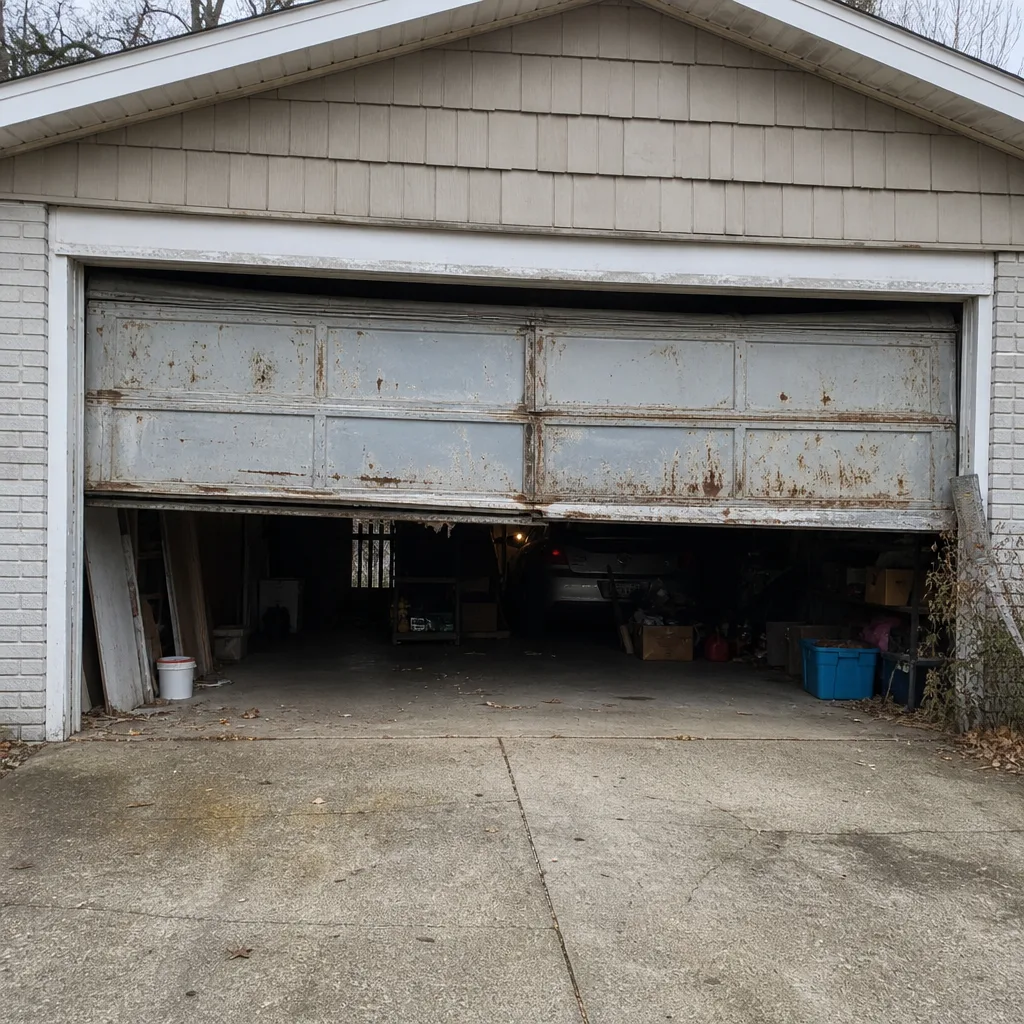
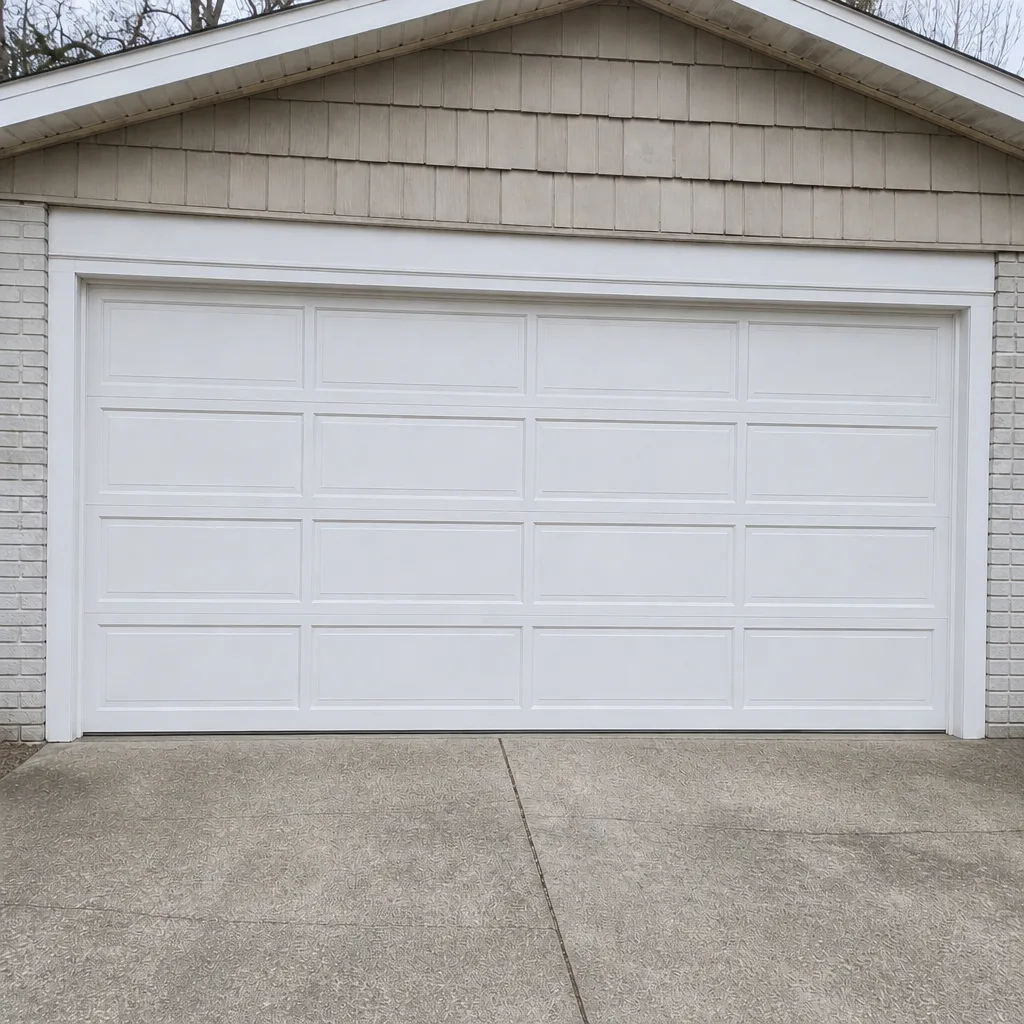
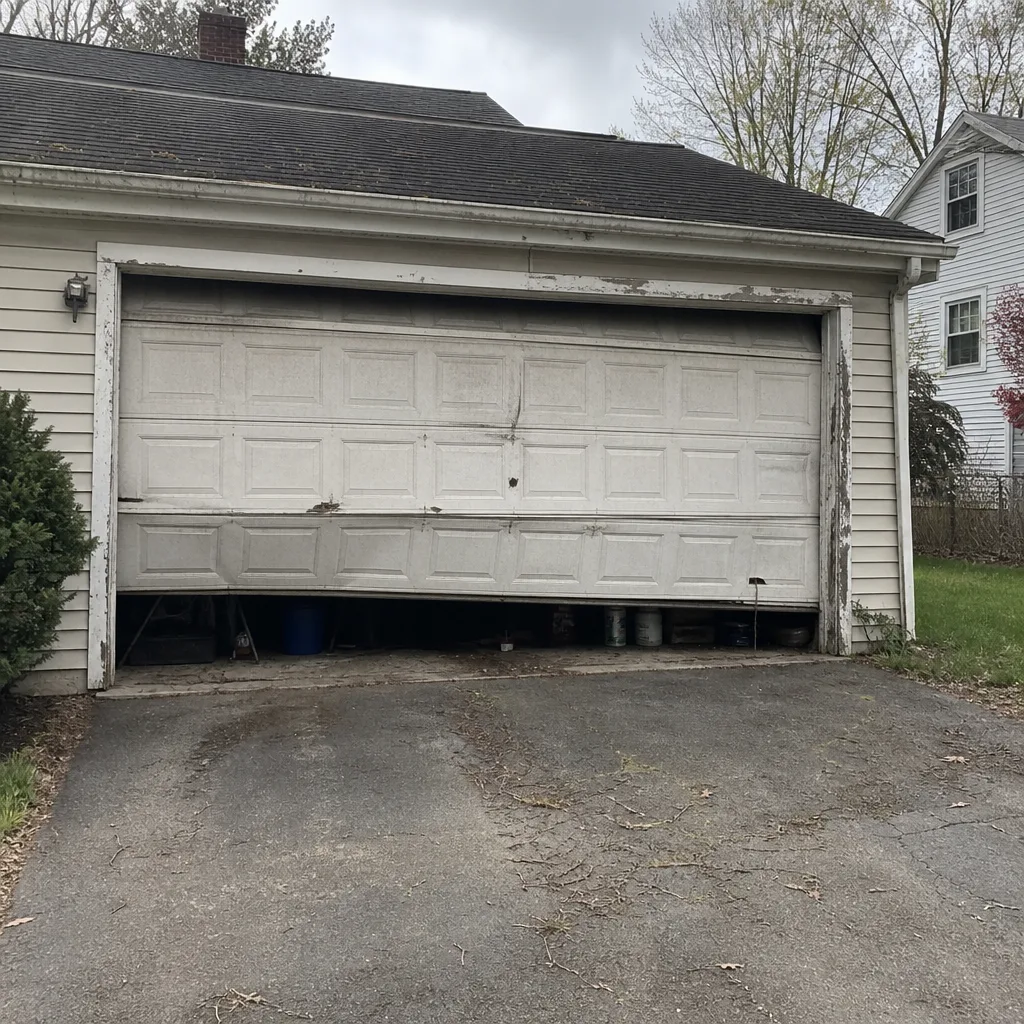
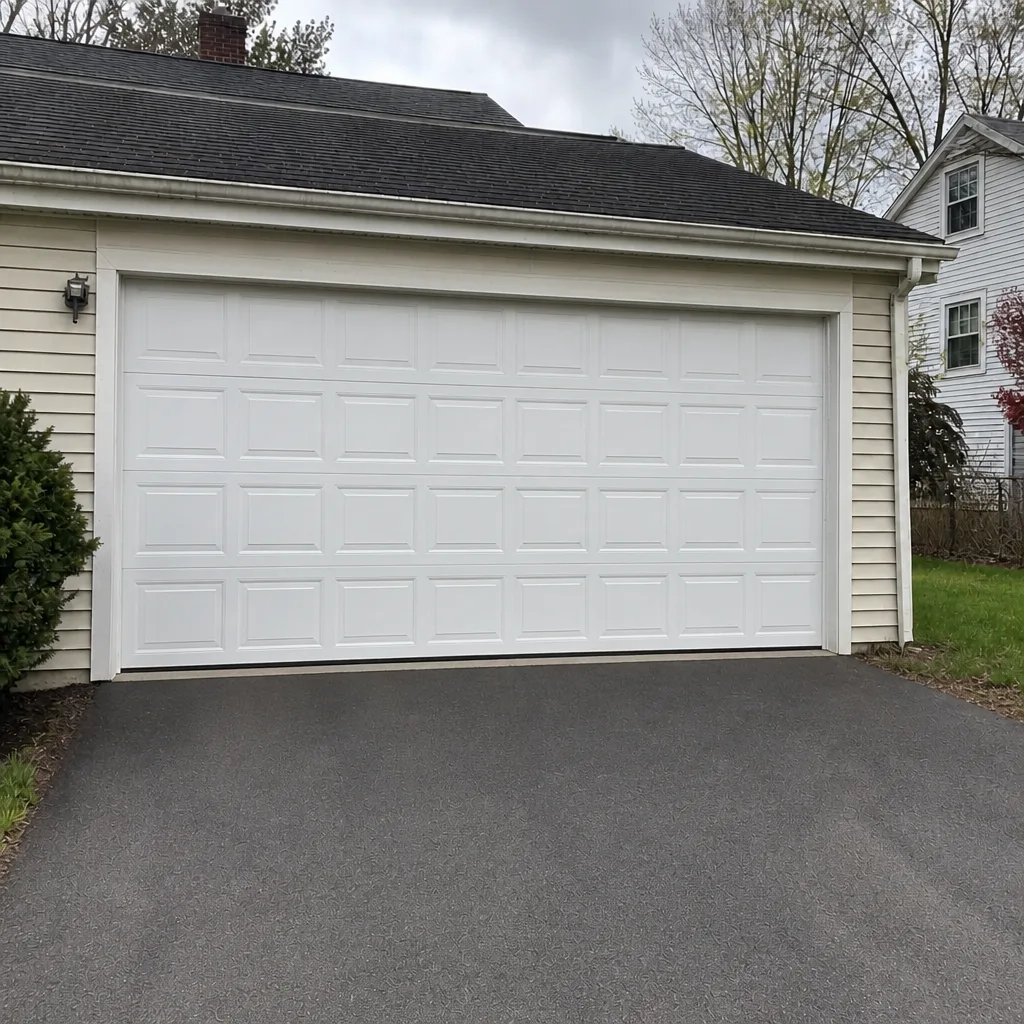
See the difference
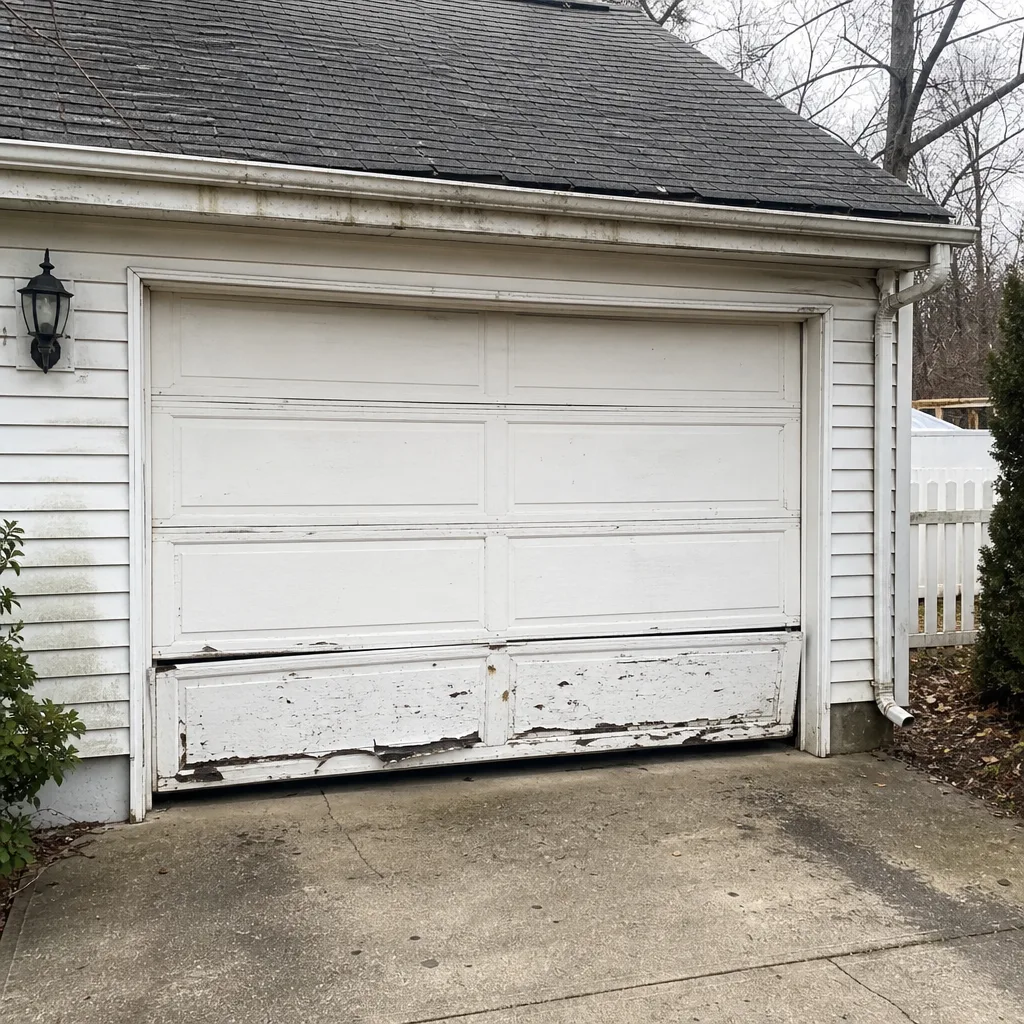 Before
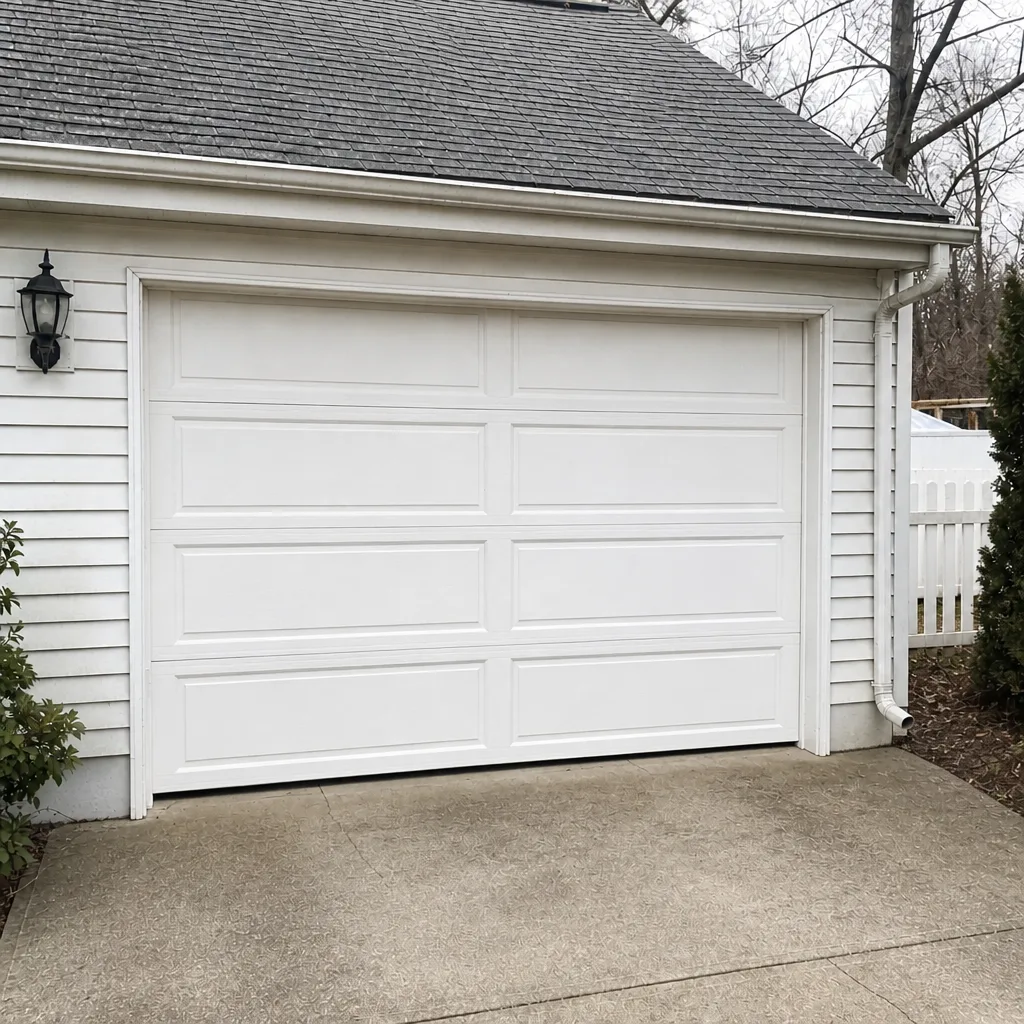 After
 Before
 After
 Before
 After