Last updated November 21, 2026
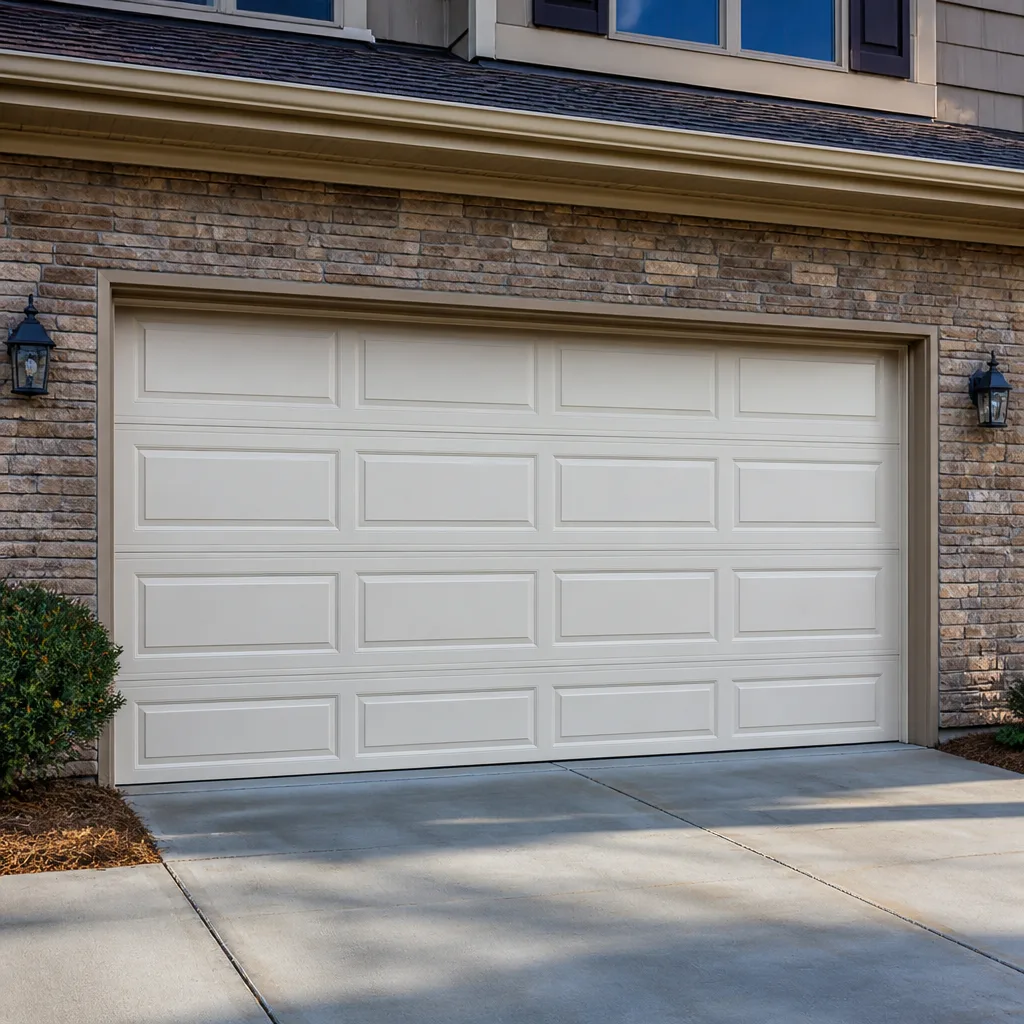 Raised-panel steel
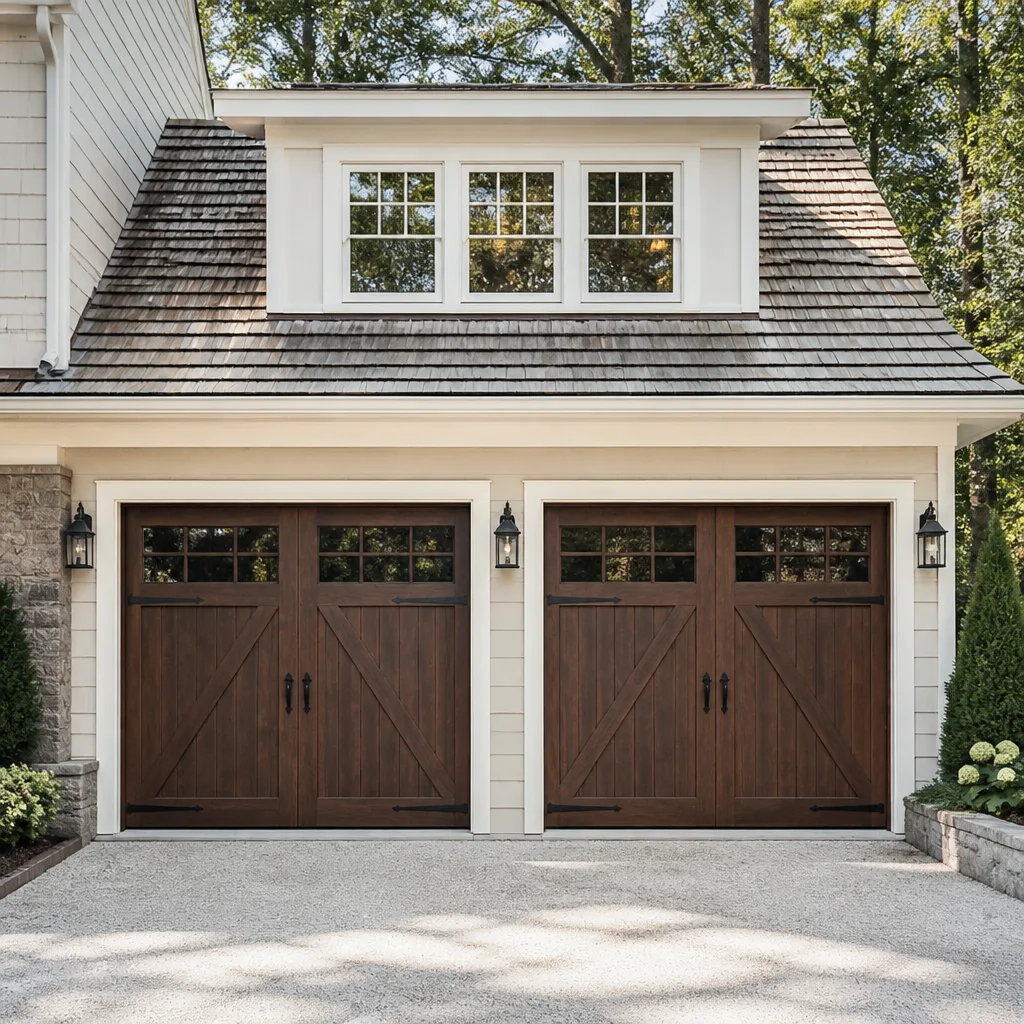 Carriage house
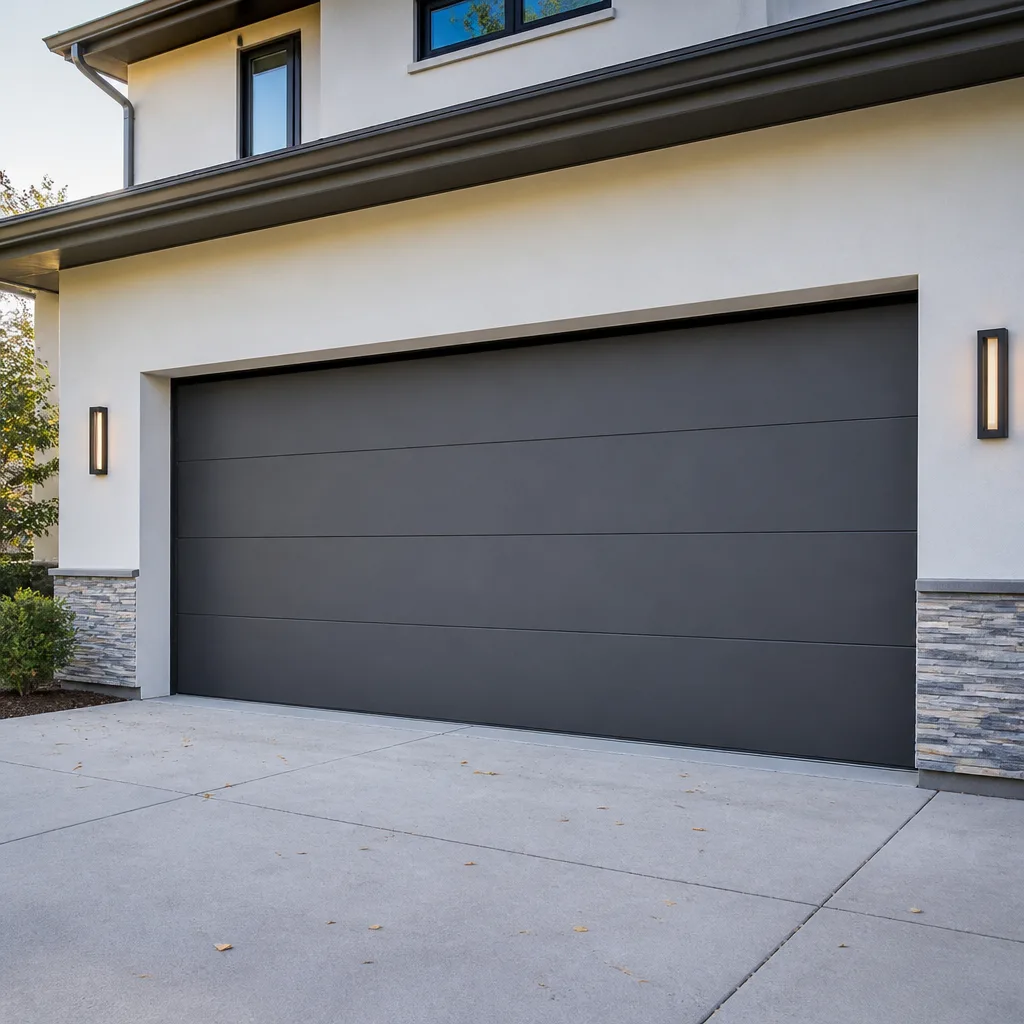 Modern flush
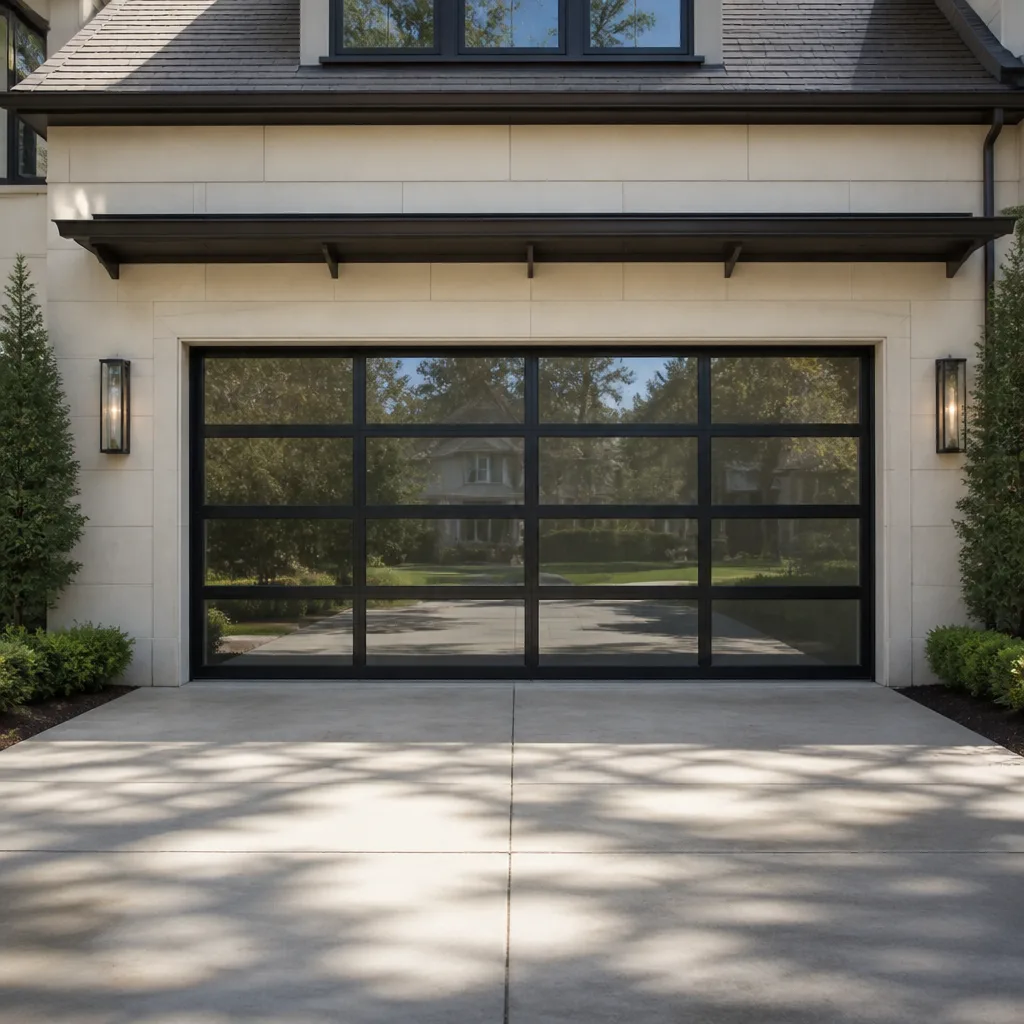 Full-view glass
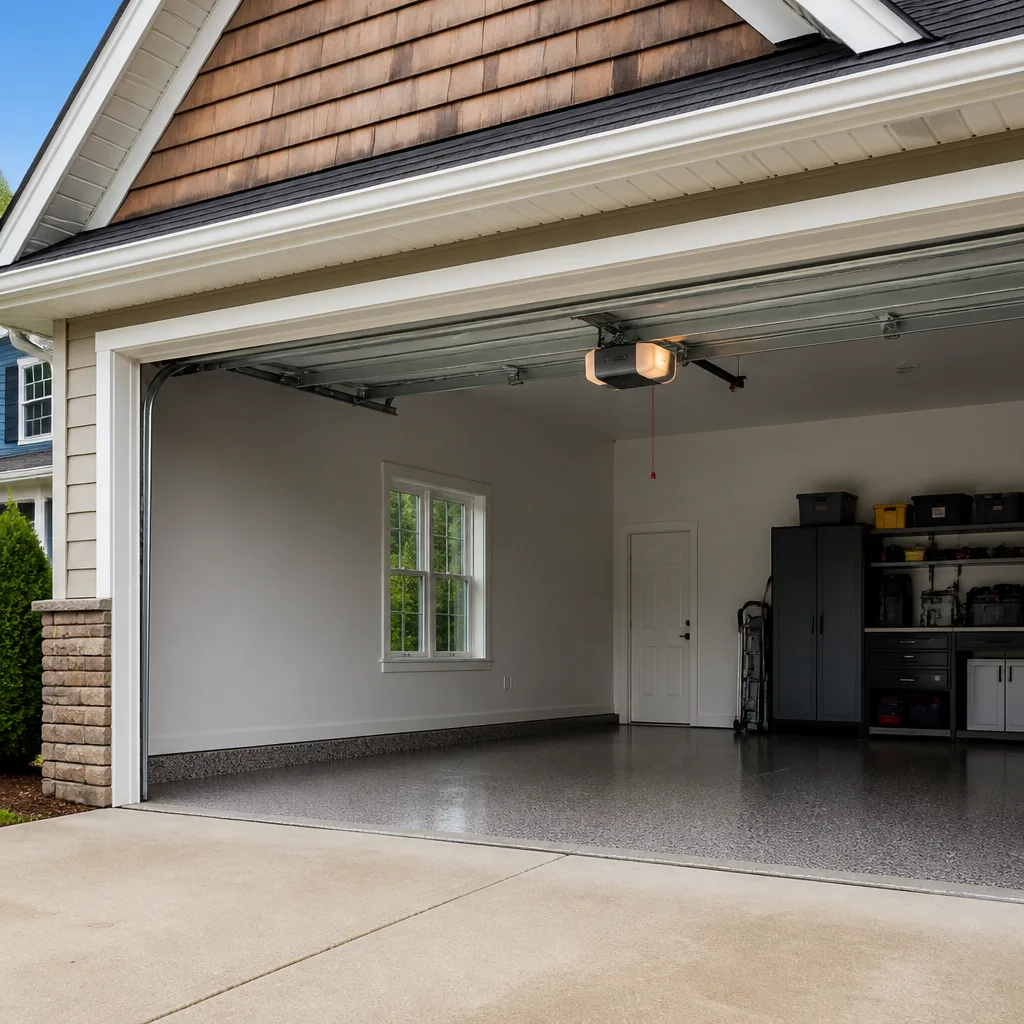 LiftMaster openers
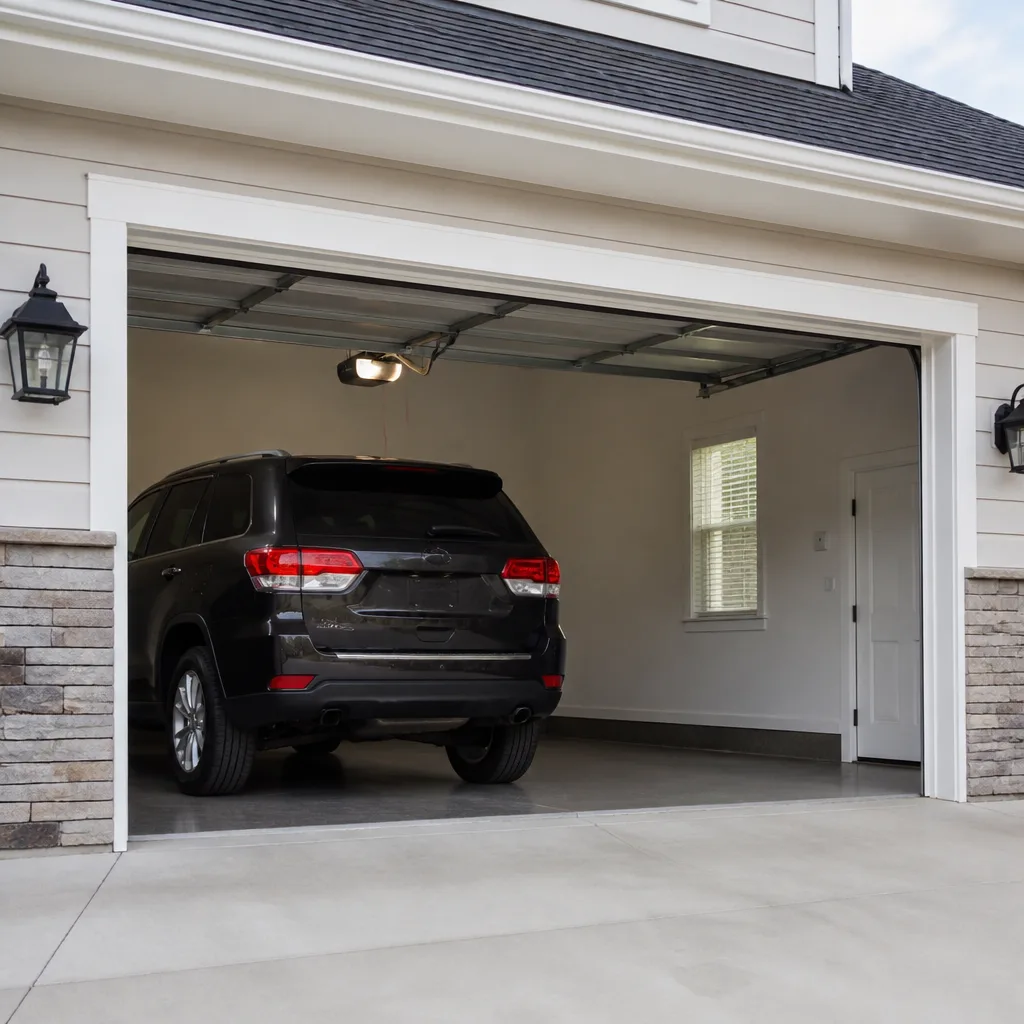 Chamberlain openers
Full 25-point door and opener safety check with every visit - springs, cables, rollers, tracks, and your LiftMaster or Chamberlain opener included
You get a price before we start. It does not change when the pro arrives.
Get your free estimateDIY vs Professional Garage Door: The Plainfield Homeowner’s Decision Guide
Most homeowners think the garage door decision comes down to skill. Can you follow a video? Can you turn a wrench? That’s the wrong question. The right question is: does this specific task carry stored-energy or fall risk that no amount of confidence can make safe? A torsion spring holds enough energy to break a wrist or take out an eye when it lets go. That’s not a liability disclaimer, it’s physics, and it should draw the line on where your DIY ambition stops. In this guide we’ll separate the tasks you can honestly handle yourself in Plainfield from the ones that need a trained technician, and we’ll be just as clear about the ones worth paying for as the ones that aren’t.
Quick Answer
Weatherstripping, sensor alignment, lubrication, and light track cleaning are genuinely DIY-safe and worth doing yourself. Torsion spring replacement, cable work, and structural track repair are not: those involve stored energy or tension that can injure you in an instant, and they need a trained technician. Everything between those two poles, like opener logic boards or a full door swap, comes down to your comfort, your tools, and how much time you’re willing to spend.
Styles & brands we work with
- Raised-panel steel
- Carriage house
- Modern flush
- Full-view glass
- LiftMaster openers
- Chamberlain openers
Table of Contents
- Where the DIY Line Actually Falls
- The Tasks That Are Genuinely DIY-Safe
- What’s Not Negotiable: Springs, Cables, and Structural Tracks
- The Real Cost Comparison: DIY Savings vs Botched-Repair Costs
- NJ Permit Implications for DIY Installation
- How to Be a Smart DIY Partial
- Why Brand Matters When You Call Someone
- Plainfield Conditions That Affect Your Door
Where the DIY Line Actually Falls
The garage door debate gets framed as do-it-yourselfer versus professional, as if it’s all or nothing. It isn’t. A garage door is a system with a lot of separate parts, and those parts sit on a spectrum from completely safe to genuinely dangerous. The useful thing to know is where each part falls. Once you can see the spectrum, you can decide task by task instead of treating the whole door as a mystery.
Here’s the rough map we walk Plainfield homeowners through when they call unsure how far to go on their own:
- Green light, do it yourself: weatherstripping, sensor alignment, lubrication, wiping and lightly cleaning the tracks, tightening visible bracket bolts, testing the auto-reverse.
- Yellow light, judgment call: replacing a wall-mounted opener keypad, pairing a new remote, resetting travel limits on a smart opener, replacing rollers if you’re comfortable on a ladder.
- Red light, call a technician: torsion spring replacement, extension spring replacement, cable replacement, drum work, structural track repair, panel replacement on a door under tension.
The pattern behind that map is simple. The green tasks involve no stored energy and put you at little height. The red tasks involve a spring or cable holding the entire weight of the door, and that energy does not care whether you’re careful. If a job requires you to release tension from the system or get under a door that’s being held up by something you’re about to touch, stop. That’s the line.
Framing it this way matters in Plainfield specifically because so many homes have a door that’s a decade or three old and starting to show the wear. Older equipment tends to fail at exactly the parts on the red list, not the green one.
The Tasks That Are Genuinely DIY-Safe
These are real jobs worth doing yourself, and doing them keeps small problems from growing into expensive ones. Here’s how each one works, and what to watch for.
Weatherstripping
The rubber or vinyl seal along the bottom of the door (and sometimes around the sides and top) is what keeps rain, drafts, and pests out. When it cracks or hardens, you’ll feel a draft, see daylight under the door, or notice water coming in during a storm. Replacement is simple: measure the width of the door, buy the matching seal profile, pull the old one out of its channel, slide the new one in. No tension, no springs, no danger.
Safety Sensor Alignment
The two small sensors at the bottom of the tracks send an invisible beam across the opening. If that beam is blocked or the sensors are knocked out of line, the door won’t close. You’ll usually see an indicator light blinking on one of them. Adjust them so both lights are steady and pointed at each other, and clear anything in the path. That’s the whole fix most of the time.
Lubrication
A squeaky or sluggish door is often just dry. A garage door lubricant (not WD-40, which attracts dust) on the hinges, rollers, and the torsion bar bearings quiets things down and helps the door move smoothly. Keep it off the tracks themselves; the tracks should stay clean and dry. Lubricating twice a year is a reasonable rhythm.
Light Track Cleaning
Tracks collect dust, leaves, and the occasional dead insect. Wipe them down with a damp cloth and check that nothing is bent or obstructing the rollers. Don’t try to force a bent track back into shape by hand; that’s a structural issue, not a cleaning one.
The Auto-Reverse Test
Place a roll of paper towels or a 2×4 flat on the ground under the closing door. The door should reverse when it touches it. If it doesn’t, that’s a real safety malfunction, and it’s worth a professional look rather than a guess at the opener’s settings.
None of these require you to touch a spring or a cable. They’re the low-stakes half of garage door ownership, and handling them yourself is exactly what this guide is arguing for.
What’s Not Negotiable: Springs, Cables, and Structural Tracks
This is where we’re firm. A torsion spring or a set of extension springs holds the entire weight of the door, and a cable is what keeps that weight from dropping. When any of those parts are under tension, they can release with enough force to cause serious injury before you have time to react. We can’t write a step-by-step for replacing them, and neither should anyone else, because there is no safe DIY version of that job. Here’s what each one involves and why it stays on the professional side.
Torsion springs
Mounted on the bar above the door, these springs are wound to a specific tension during installation. That tension is what lets a 150-pound door lift with one hand. Replacing a spring means safely unwinding the old one, winding the new one to the correct number of turns, and balancing it against the door’s weight. The winding process is where most injuries happen. Our garage door spring repair handles this as a dedicated job for exactly that reason.
Extension springs and cables
Extension springs run along the horizontal tracks and stretch under load. Cables run from the bottom corners of the door up to the drums. A snapped cable can whip. A failing extension spring can let go suddenly. Both need to be replaced together with matching parts, and both need the door supported and the tension released in a controlled way first.
Structural track repair
A bent or misaligned track means the door is running on a warped path, which strains the opener, chews through rollers, and can eventually let the door come off the track. Fixing it isn’t a matter of bending metal back; it’s a matter of realigning the whole system with the door weight factored in. A door that has jumped the track should be left alone until someone can look at it.
Panel replacement on a door under tension
Swapping a dented panel sounds cosmetic, but panels are interconnected with the tension system. If the replacement changes the door’s balance, the spring has to be adjusted. That’s a professional adjustment, not a panel-by-panel project.
If you take only one thing from this guide, take this: any task that requires you to release or create tension in the door’s spring or cable system is off the table. Our technicians have up to 8 years of experience and treat spring work as its own discipline, and that’s the standard you want.
The Real Cost Comparison: DIY Savings vs Botched-Repair Costs
Homeowners often assume DIY always saves money. Sometimes it does. Sometimes a DIY repair costs more than the professional version would have, and not only because of the extra parts. Here’s an honest look at both sides of the ledger. The figures below are typical estimates; the written estimate from a professional sets the final price.
What DIY actually saves
- Weatherstripping: DIY cost is the price of the seal, often $15 to $40 depending on length. A pro install is typically $100 to $200.
- Lubrication and cleaning: DIY cost is under $15 for a can of lubricant and a rag. A service visit adds trip and labor.
- Sensor alignment: often free if you can see the indicator lights.
- Remote and keypad pairing: free with the manual.
What a botched spring repair can cost
- The original repair: torsion spring replacement is typically $180 to $340 for one spring; a matched pair is usually replaced together at roughly twice that.
- Secondary damage: a spring that releases uncontrolled can twist the torsion bar, bend the drums, and damage panels. That turns a single-spring job into a spring-and-cable-and-track job.
- Emergency call: a door stuck open or stuck closed with a failed spring usually needs the same-day treatment, which means a faster response window and a larger bill.
- Lost time off work: the real cost many homeowners forget. A stuck door on a morning you need the car out is a problem money can’t fully solve until someone arrives.
The math is clear when you compare it this way. DIY on the green tasks saves real money. DIY on a spring is a gamble where the downside includes both a higher repair bill and a physical injury, and the upside is only a few hours of labor you didn’t have to pay for. Our garage door repair is quoted before any work starts, so you know the number going in.
NJ Permit Implications for DIY Installation
Here’s a piece of the DIY picture a lot of guides skip: New Jersey permits for garage door installation and replacement. Rules vary by municipality, and Plainfield, like any New Jersey town, has its own building department and its own expectations for how a new door or a structural modification gets permitted. If you install a new door or make a structural change yourself, you can create a permit problem that’s genuinely hard to unwind later.
The reasons to care are practical:
- Resale disclosure: when you sell a Plainfield home, a buyer’s inspector can flag an unpermitted installation, and you may be asked to prove it was done to code. That’s a headache you don’t want at closing.
- Insurance: some policies ask whether major installations were permitted. A door installed without proper permits may complicate a claim.
- Code compliance: the specific requirements for a garage door, especially the safety features, are set by state and local code. Doing it yourself without knowing exactly what applies can leave you non-compliant even if the door works.
Before you take on a full installation as a DIY project, call the Plainfield building department and ask what’s required for the work you’re planning. That single call can save you a much bigger problem at resale. And if the answer is “you need a permit and inspection,” it’s worth asking whether the process is one you want to manage yourself. Our Plainfield Garage Door Repair Co handles installation with the permit side in view from the start.
How to Be a Smart DIY Partial
You don’t have to choose between doing everything and doing nothing. The smartest approach is a partial one: do the prep and the diagnosis yourself, call a technician for the part that needs training. When you’ve already done the easy work, the professional’s billable time is shorter, and you get a faster, cleaner outcome. Here’s how to set it up.
- Watch and listen before you call. Does the door move at all? Does the opener light come on but the door doesn’t move? Does it open partway and stop? Does it reverse on the way down? Note the brand on the door and the opener, because a specialist will ask.
- Clear the tracks and lubricate. If the door is sluggish, a wipe-down and a lubrication pass may solve it without any further work. Do this before assuming the opener is failing.
- Test the sensors and the auto-reverse. A lot of “won’t close” calls are a sensor alignment or a blocked beam. Rule it out yourself.
- Document what you find. A photo of the opener label, the door’s bottom seal condition, and where the door stops all help a technician diagnose faster.
- Know when to stop. If you find a broken spring, a snapped cable, or a bent track, close the door if it’s safe to do so (or leave it alone if it isn’t) and call. Don’t try to inspect the spring closely or push the door past a resistance point.
The point of the prep is honesty, not shortcuts. If you’ve done the easy work and diagnosed the rest, the conversation with a technician is faster, and the estimate is more accurate because you can describe the actual problem. Our garage door opener repair starts with exactly that conversation.
Why Brand Matters When You Call Someone
A generalist handyman will take your call. A specialist will already know your equipment. The difference shows up fastest on openers and smart systems, where the logic board, the travel limits, and the diagnostic codes vary by manufacturer. The brands we work on most in Plainfield homes are Chamberlain and Genie on the opener side, and Clopay and Amarr on the door side. Each has its own quirks, and knowing them saves diagnostic time.
- Chamberlain and LiftMaster: closely related systems, common in homes with smart features like app control. Diagnostics often hinge on the travel-limit settings and the safety sensor lights.
- Genie: a very common opener brand, with its own family of remotes and keypads. Older Genie units need matching parts, which is where a generalist struggles.
- Clopay and Amarr: two of the most widely installed door brands on residential homes. Panels, hinges, and track hardware are brand-specific, so ordering replacements correctly depends on identifying the door accurately.
We work on eight major brands across doors and openers, including LiftMaster, Chamberlain, Genie, Clopay, Amarr, Wayne Dalton, Craftsman, and Raynor. That doesn’t mean a brand we don’t name is impossible; it means we’re at home in the equipment most Plainfield garages actually have. Garage doors are all we do, and a single-trade focus is why the diagnosis tends to be quick. You can read more about how a repair visit goes on our garage door repair page, or a full breakdown of opener issues in the opener section.
Plainfield Conditions That Affect Your Door
Plainfield’s climate does a specific kind of damage to garage doors, and it’s worth knowing about because it changes how often the green-light tasks come up. New Jersey’s swings between humid summers and cold winters work on the same parts season after season.
- Humidity and wood: Plainfield has plenty of older homes with wood-framed garage openings. Summer humidity swells the wood, which can bind the door in its tracks and put extra strain on the opener. Lubrication and track cleaning matter more in homes like this.
- Winter freezing: a bottom seal that’s torn or worn lets water in and, when the temperature drops, that water freezes. A frozen seal can crack when the door lifts. Replacing weatherstripping before the cold arrives is a job well worth doing yourself.
- Seasonal temperature swings and springs: metal expands and contracts with temperature changes, and springs are under constant load regardless of the season. That’s part of why spring failures tend to show up on the first cold morning or the first hot afternoon of a season.
- Rain and drainage: a garage slab that doesn’t drain well can leave moisture at the door’s base, which eats into the seal and, over time, into the bottom panel. Checking the threshold after heavy rain is a five-minute job.
None of that changes the safety line. It just changes how often the safe tasks come up in Plainfield. A door that’s binding in the summer and freezing in the winter is a door where the green-light maintenance matters more, not a door where the red-list work becomes something to try yourself.
Common Mistakes to Avoid
- Treating a spring as a “level up” DIY project. The most common mistake is assuming a spring replacement is just the next task after weatherstripping. It’s not. The stored energy is what makes it different, and no video prepares you for it.
- Using WD-40 on the tracks. It’s the wrong lubricant for a garage door and attracts dust, which makes the tracks worse. Use a proper garage door lubricant on the moving parts, not the track surface.
- Forcing a door that’s jumped the track. If a roller is out of its channel, running the opener to “see if it fixes itself” bends the track and strains the opener. Stop and call.
- Replacing one spring of a pair. Matched springs wear together. Replacing one and leaving the other means the door is unbalanced, and the old spring will likely fail soon after. Replace both.
- Ignoring the auto-reverse test. A door that doesn’t reverse on contact is a safety problem, not a minor annoyance. Test it a few times a year, and get it fixed if it fails.
- Installing a door without checking the permit requirement. In Plainfield, as in most New Jersey towns, the building department sets the rule. Skipping the call can create a problem at resale.
- Calling a generalist for a brand-specific opener problem. A handyman who works on everything may not have the diagnostic knowledge for a Chamberlain or Genie logic board. A specialist does.
See the difference
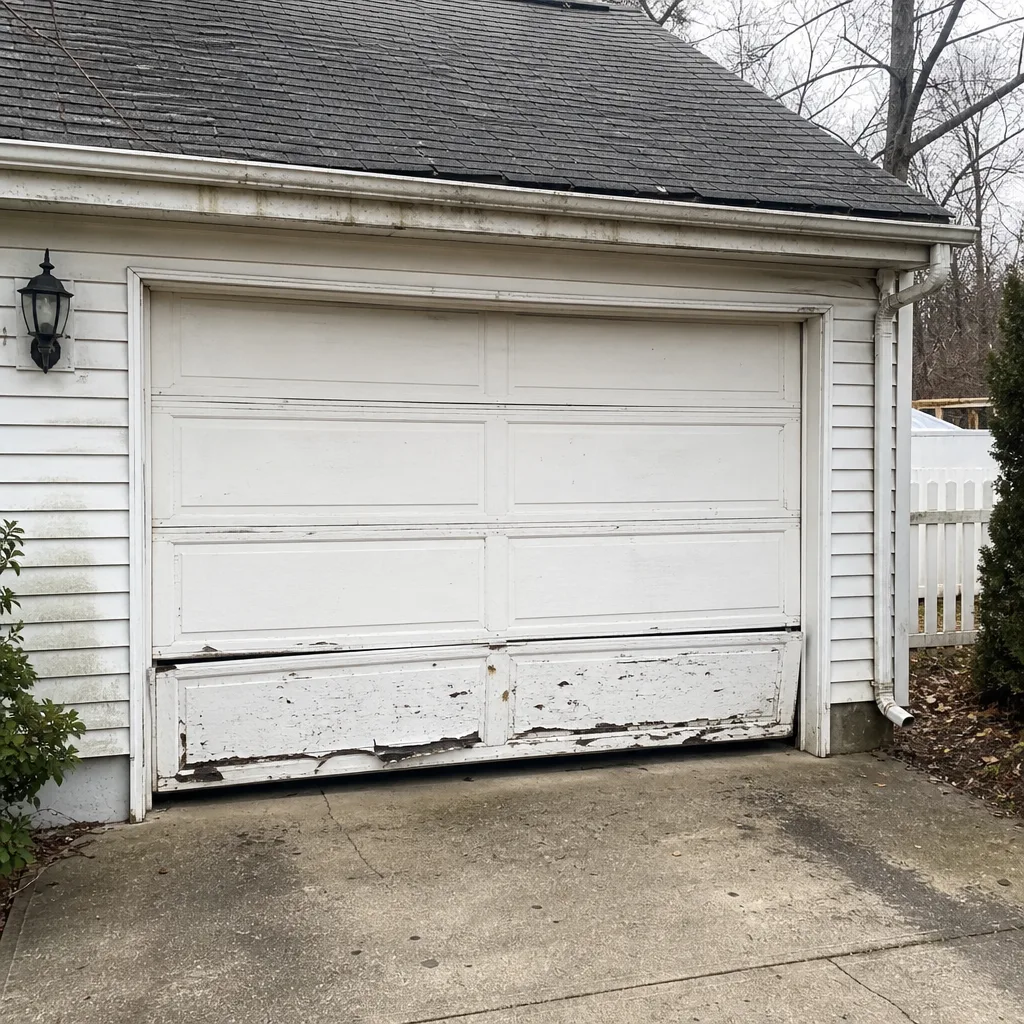 Before
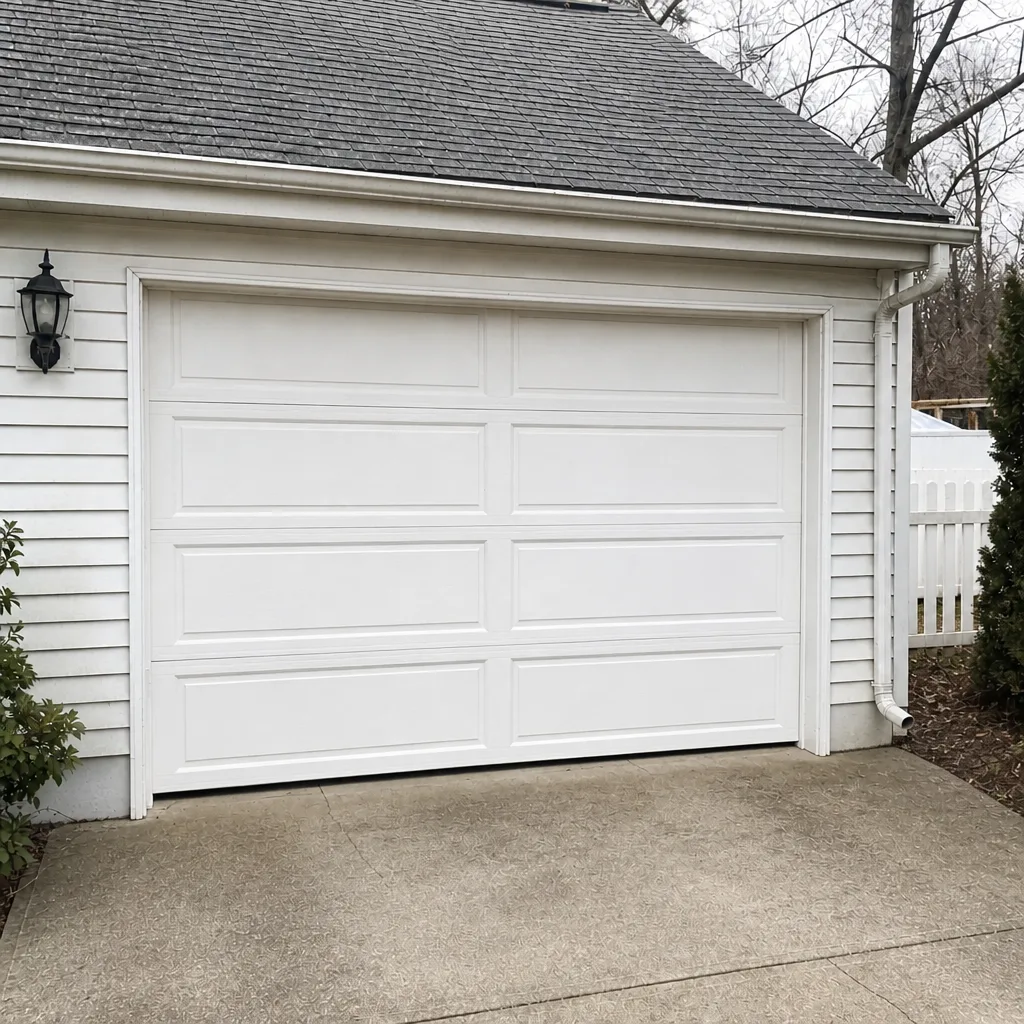 After
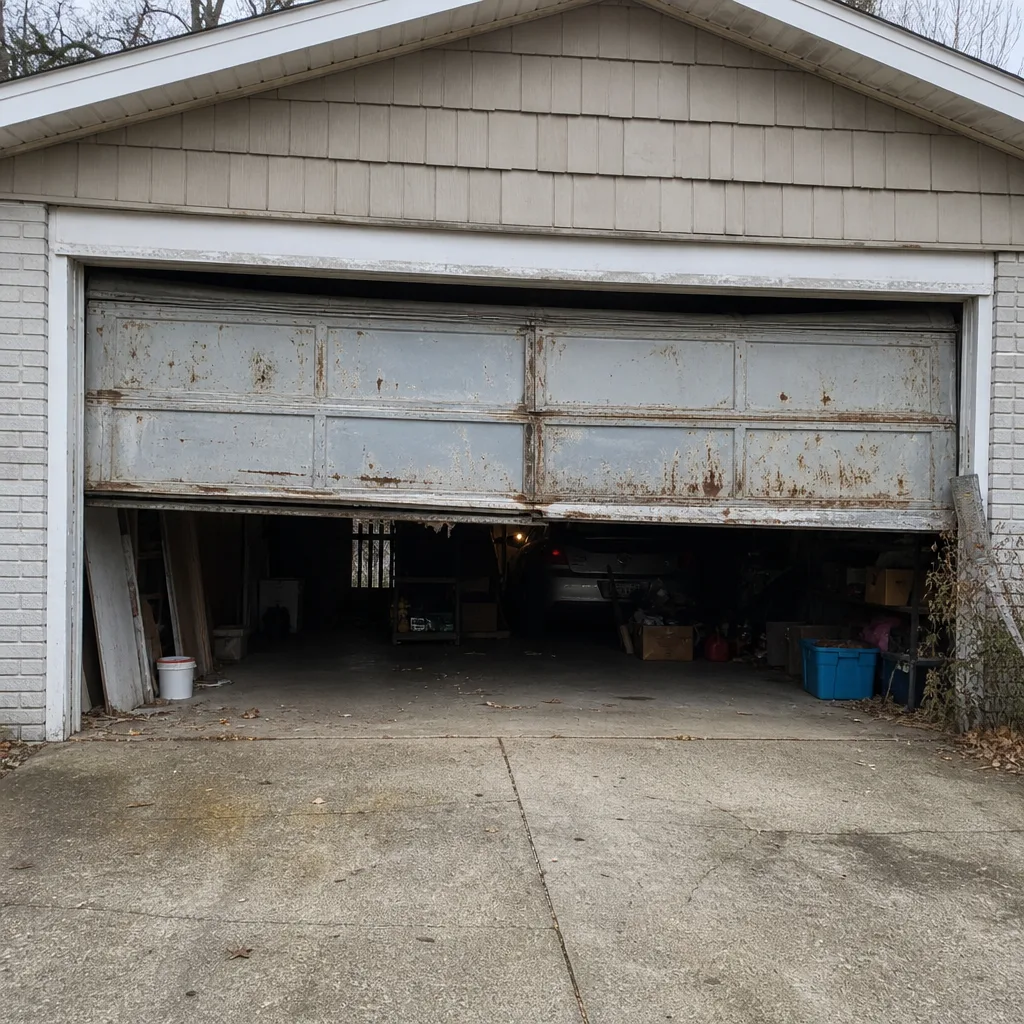 Before
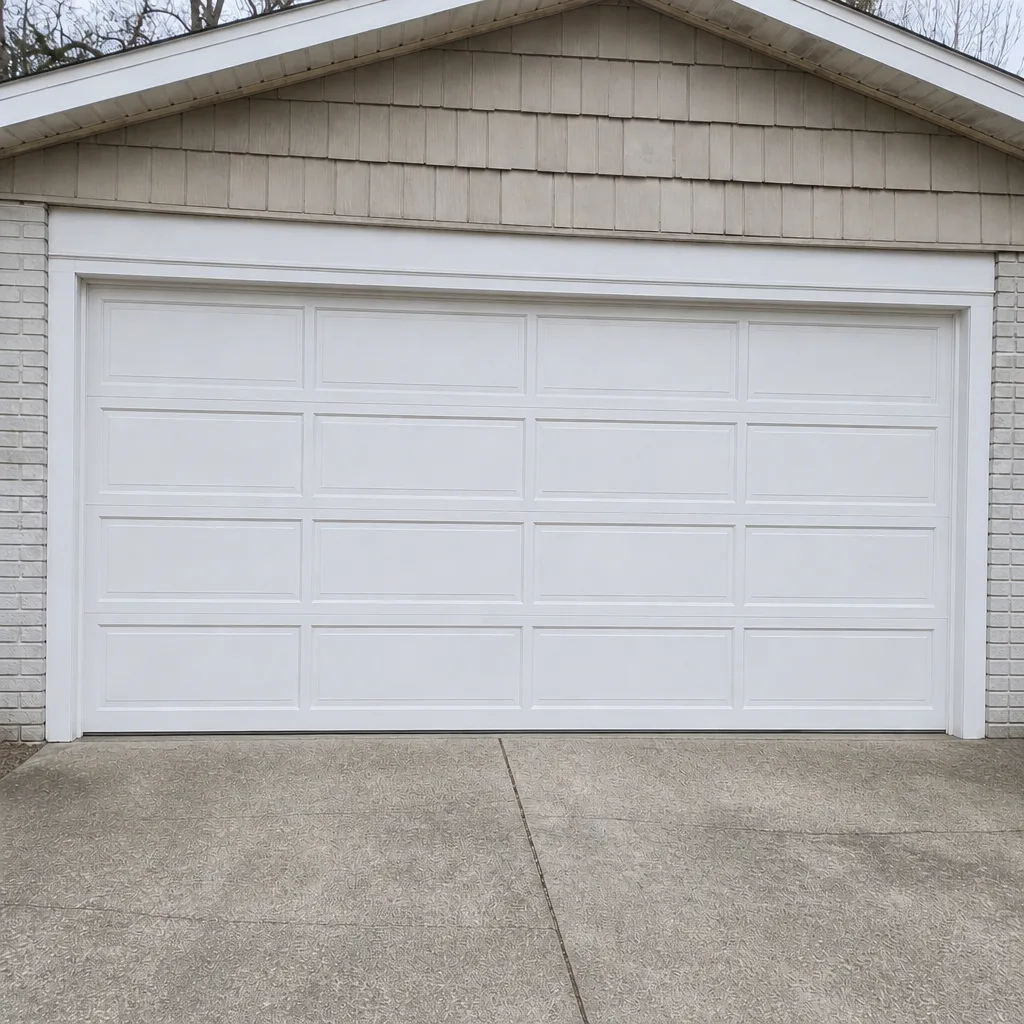 After
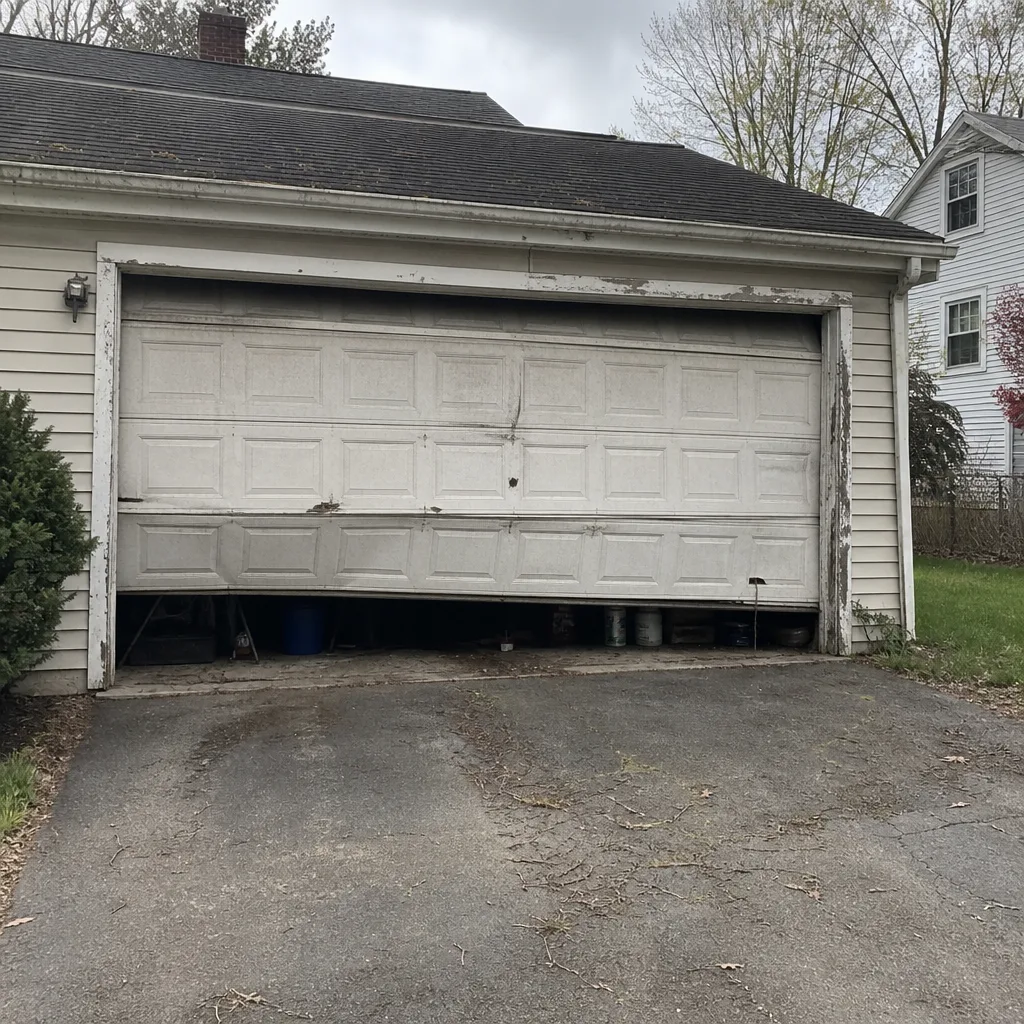 Before
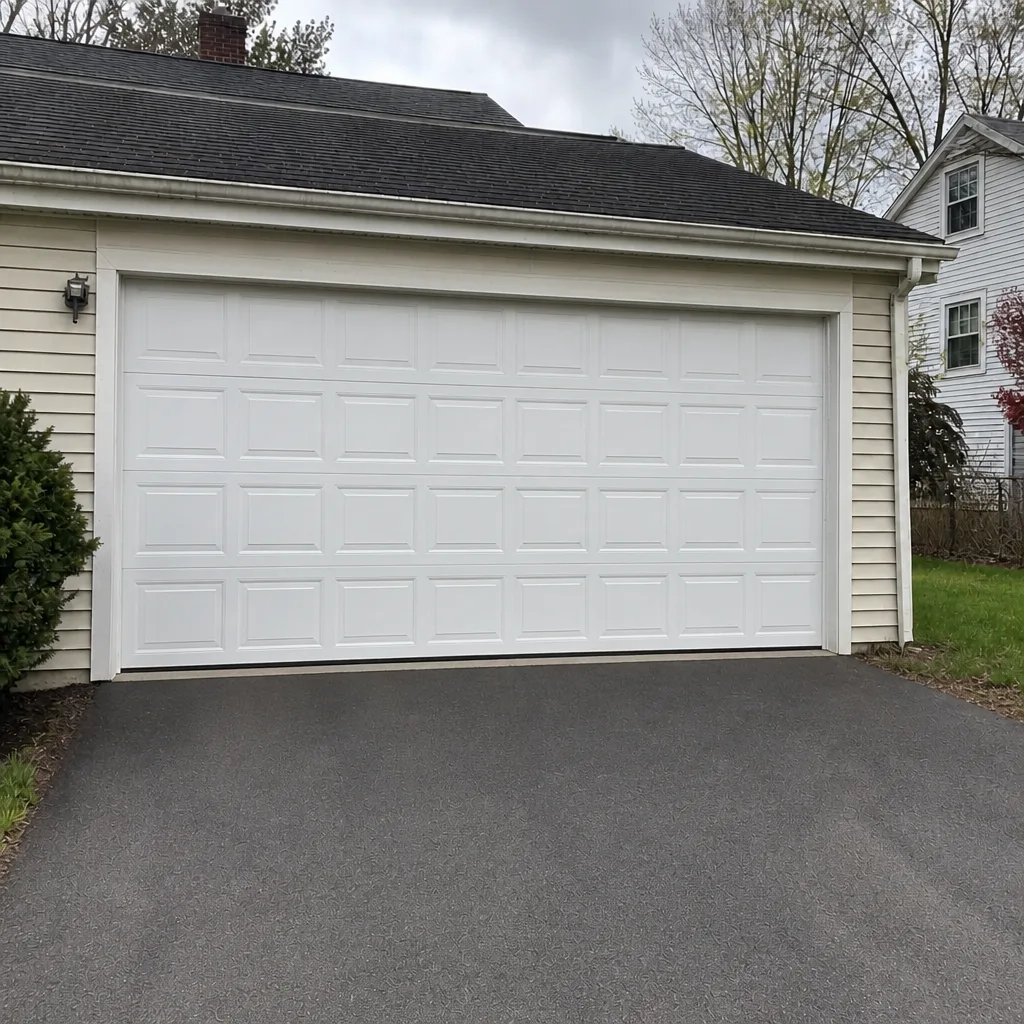 After
When to Call a Professional
Call a professional the moment the problem involves a spring, a cable, a bent track, or a door that’s jumped out of its track. Call when the opener’s light comes on but the door doesn’t move and simple fixes haven’t helped. Call when you’re buying a new door or opener and need a measurement and a written price, because installation work is scheduled rather than rushed, and a free measure plus a written estimate is how that starts. Also call when a door’s auto-reverse fails and you can’t find the cause. Plainfield Garage Door Repair Co offers free estimates in Plainfield – call (855) 707-0472. Emergency service is a standard part of what we offer for the situations that can’t wait, not a premium add-on.
Frequently Asked Questions
No. A torsion or extension spring holds the full weight of the door under tension, and releasing or winding that tension is a task with a real injury risk that no amount of care makes safe. Spring replacement is a job for a trained technician, and we handle it as a dedicated specialty rather than as part of a general repair call.
A torsion spring replacement is typically $180 to $340 for one spring, and since springs are usually replaced in matched pairs, a pair runs about twice that. The exact figure depends on the door and the spring type, and the written estimate sets the final price. Call (855) 707-0472 for an exact quote – estimates are free.
Yes, for the tasks that involve no stored energy: weatherstripping, sensor alignment, lubrication, light track cleaning, and testing the auto-reverse. Those are genuinely DIY-safe and save you real money. Skipping them, though, lets small problems grow into ones that need a professional.
That depends on your specific project and on what the Plainfield building department requires for it. The rule is set locally, so the honest answer is to call the department and ask before you plan a DIY installation. Skipping that call can create a permit problem that surfaces at resale.
Start with the easy checks: sensor alignment, the safety-beam path, and the wall switch. If those are fine, it’s usually a travel-limit setting, a logic board issue, or a disconnected trolley, and that’s a technician’s job. A specialist familiar with Chamberlain, Genie, and the other major brands can diagnose it quickly.
For a door stuck open or closed, we take emergency calls, because being locked out or exposed is a today problem. We can’t promise a specific arrival time, but same-day response is what emergency service means. Call (855) 707-0472 and we’ll set it up.
The Bottom Line
The DIY-versus-professional question has a clear answer once you see the door as a spectrum. Weatherstripping, sensor work, lubrication, and light cleaning are yours to do, and doing them keeps your door running and saves money. Springs, cables, and structural track repair are a hard stop: the stored energy and the injury risk make them a professional job every time. Everything in between is a judgment call. In Plainfield, the humidity and winter cold also make the safe maintenance tasks more valuable, not the dangerous ones more tempting. If you’re unsure where a specific problem falls, call (855) 707-0472 – free estimates, upfront pricing, and a written number before any work starts.
Written by the team at Plainfield Garage Door Repair Co.