Last updated November 21, 2026
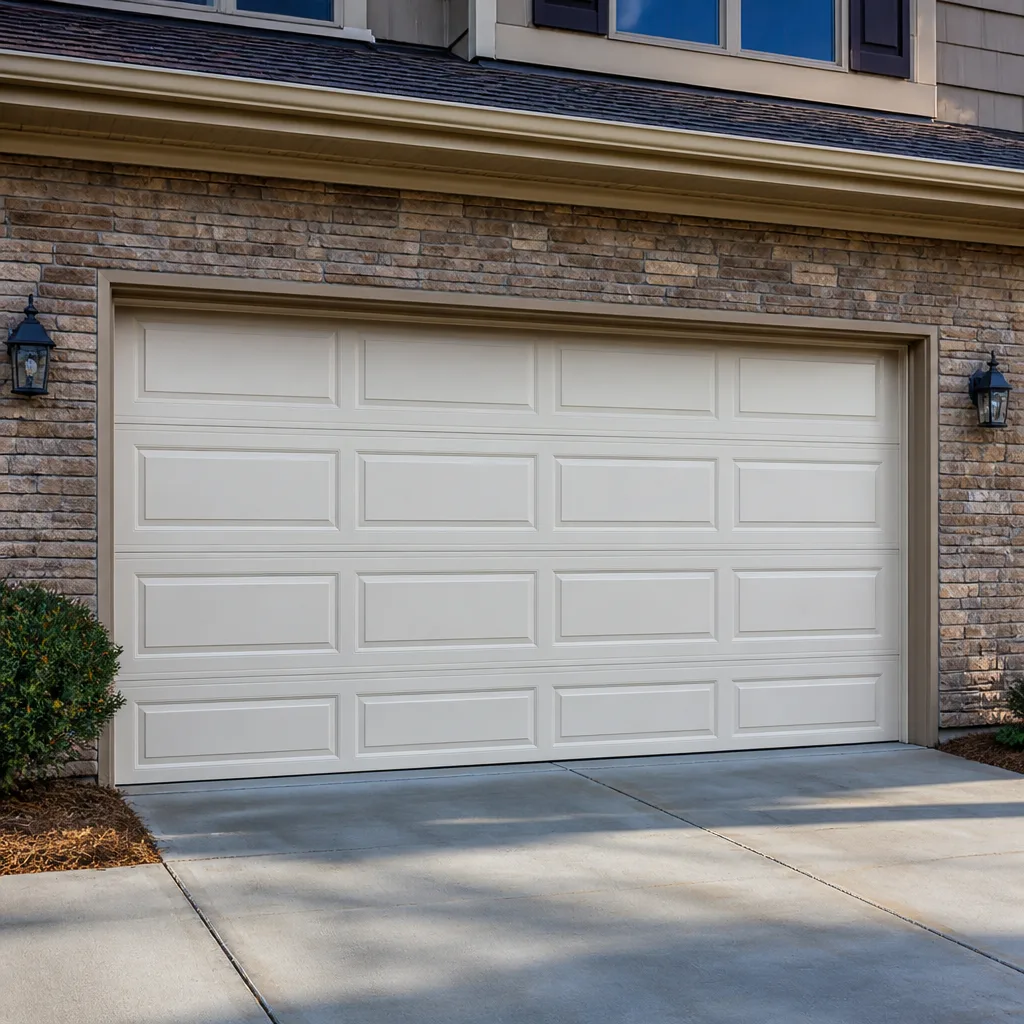 Raised-panel steel
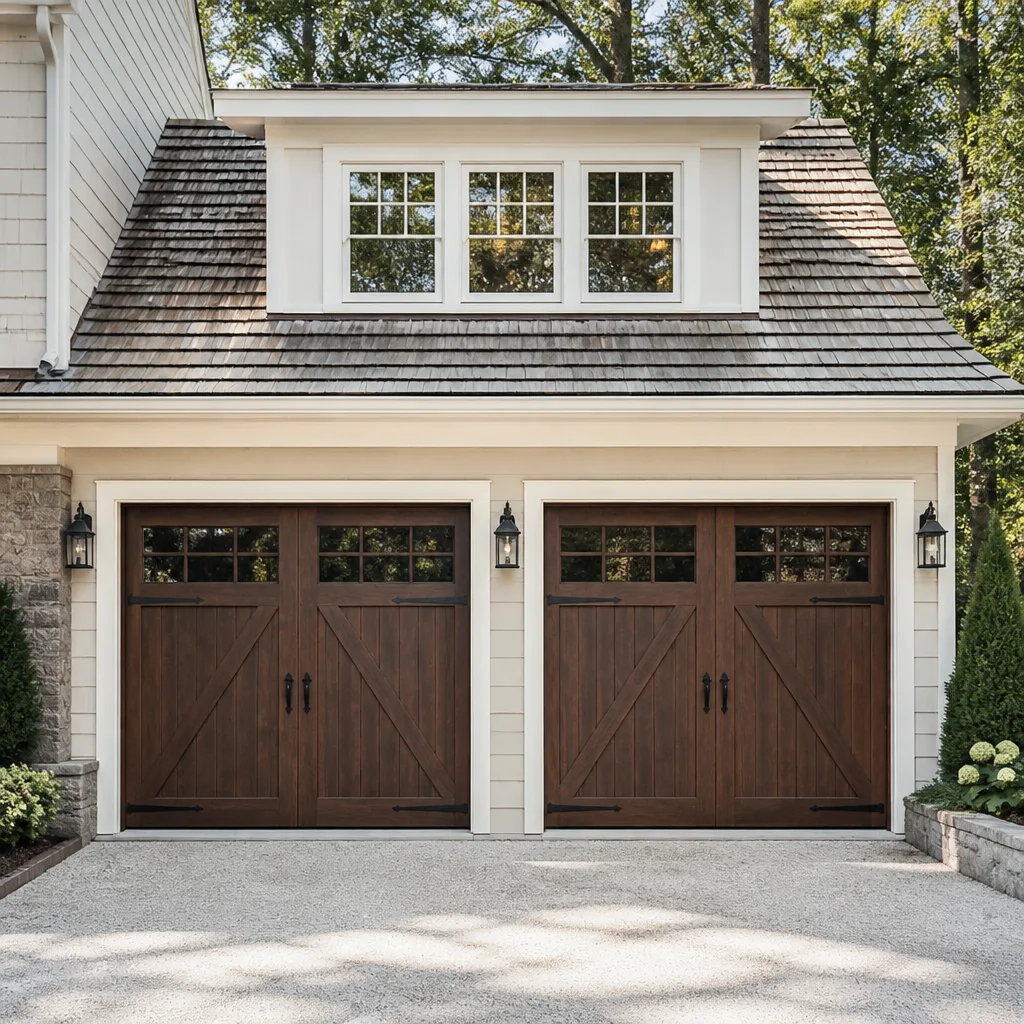 Carriage house
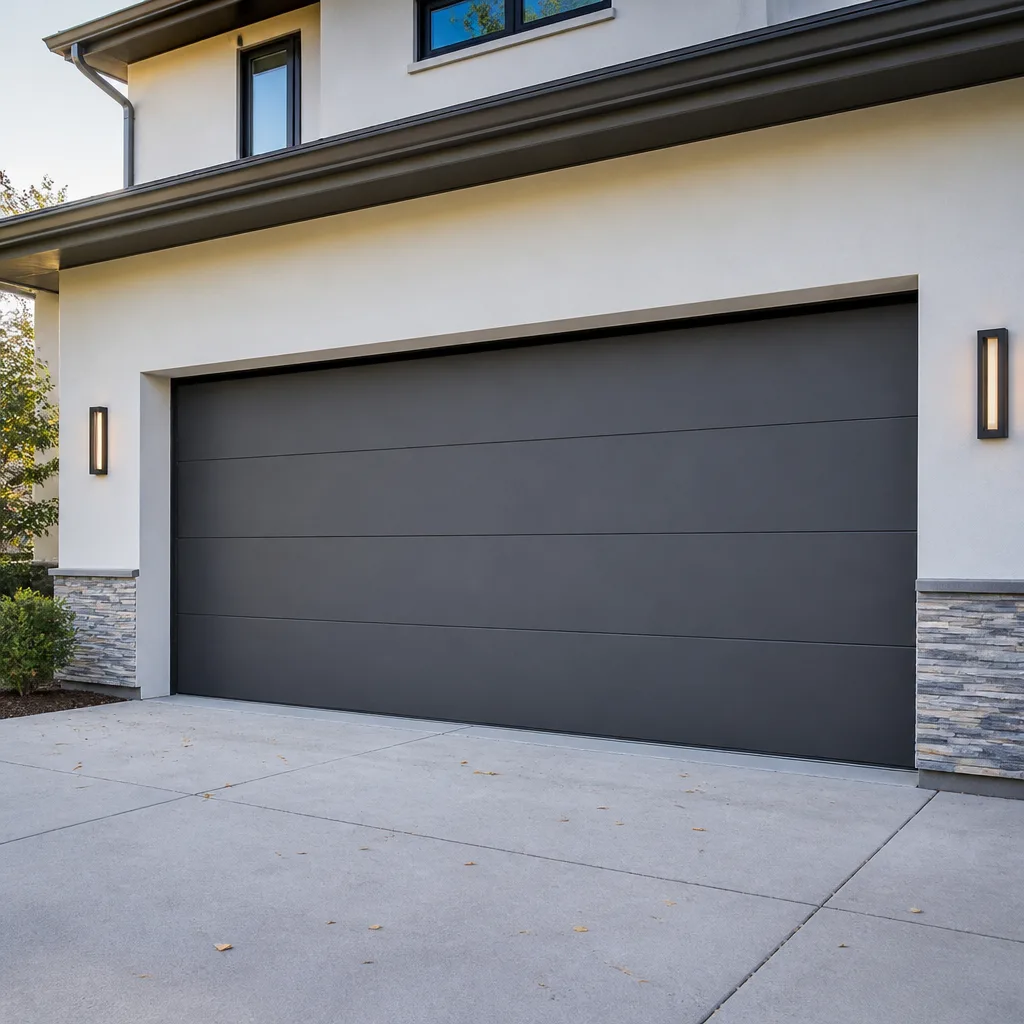 Modern flush
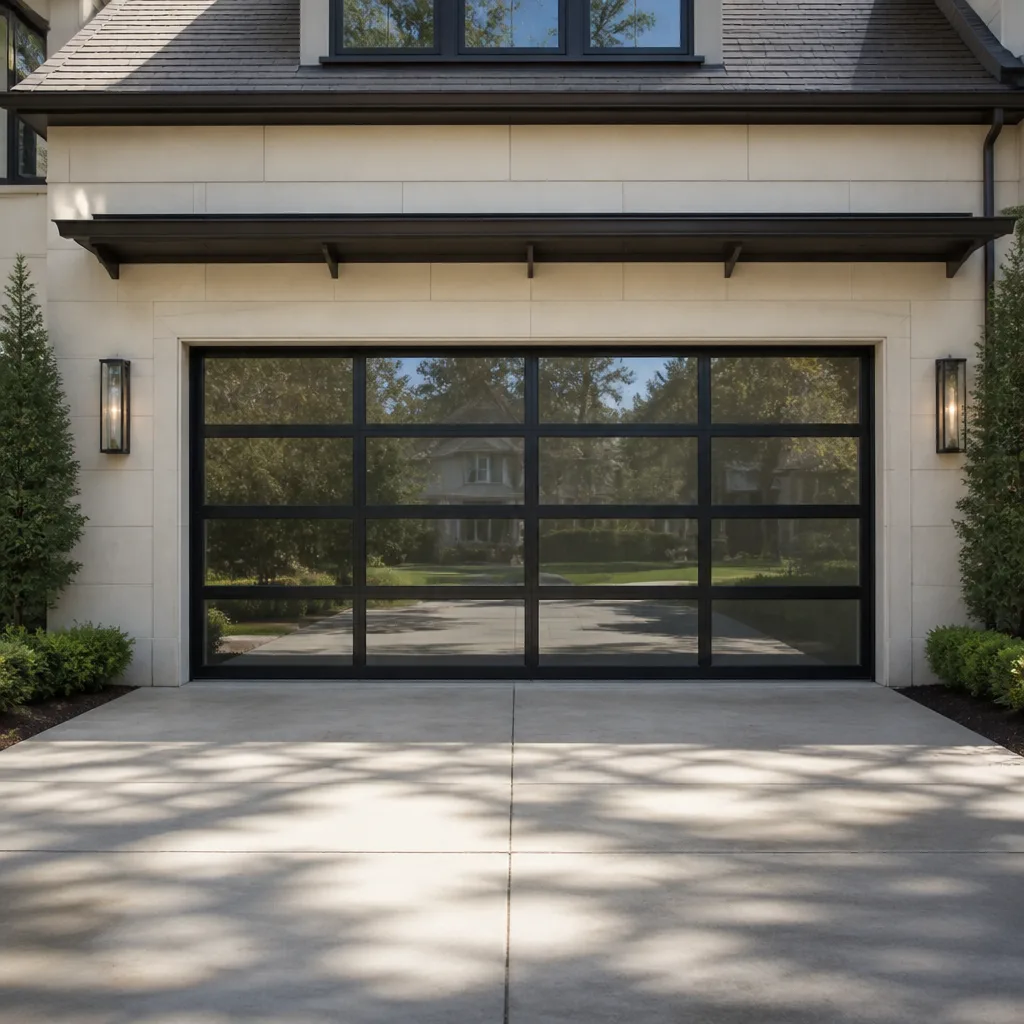 Full-view glass
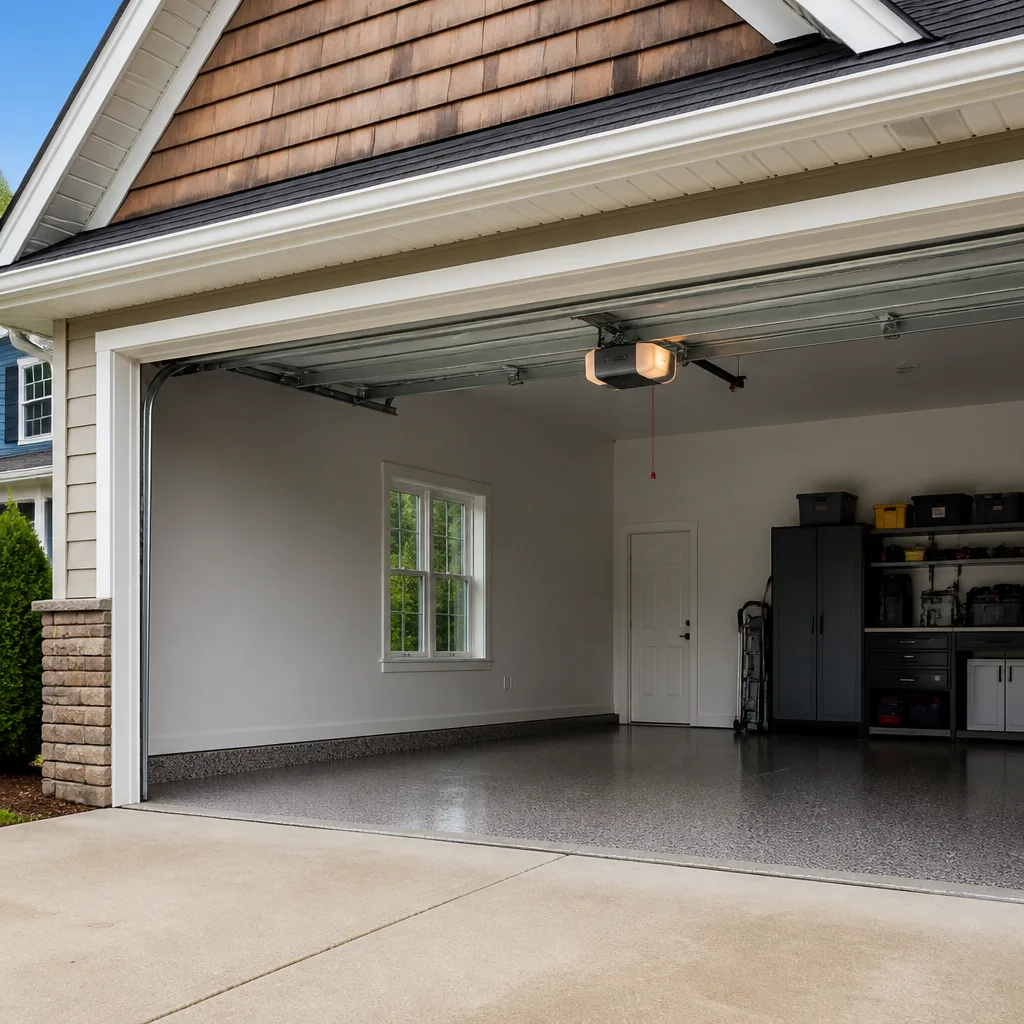 LiftMaster openers
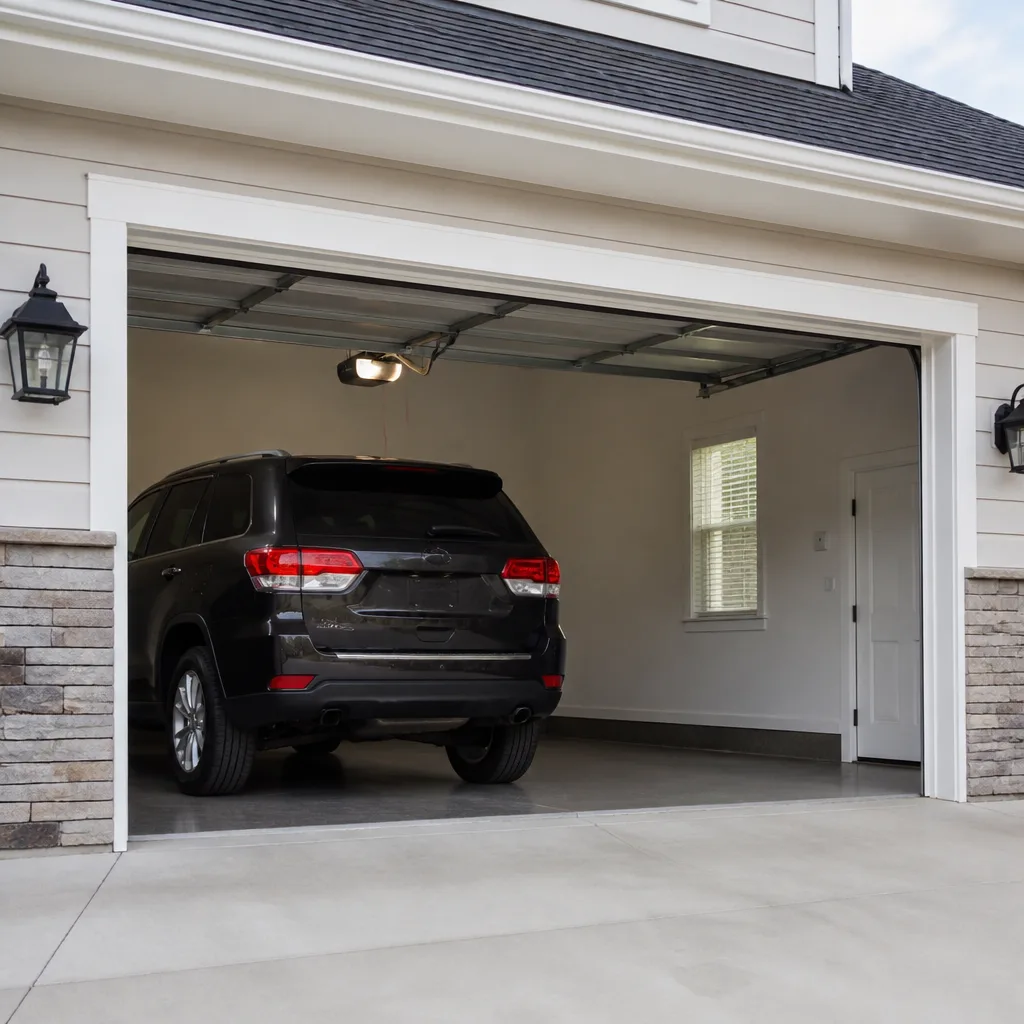 Chamberlain openers
Full 25-point door and opener safety check with every visit - springs, cables, rollers, tracks, and your LiftMaster or Chamberlain opener included
You get a price before we start. It does not change when the pro arrives.
Get your free estimateSeasonal Garage Door Care for Plainfield: Year-Round Homeowner’s Guide
Most seasonal garage door guides give you calendar advice that was written for a climate that isn’t yours. “Lubricate in fall, inspect in spring” sounds tidy, but Plainfield weather doesn’t move on a calendar. It moves on temperature thresholds. New Jersey swings from humid summers in the high 80s to January mornings that drop below 20 degrees, and your door reacts to every one of those swings. A torsion spring that feels fine in October is carrying different tension by February. A door that glides in April can bind in July because the panels have swelled. This guide walks through what actually happens to your garage door at each temperature threshold, what to check and when, and how to spot the difference between a nuisance and a job for a specialist. You’ll finish knowing what to do yourself and when to call us.
Quick Answer
Seasonal garage door care in Plainfield means testing your door’s balance, springs, and weatherstripping at four specific temperature points rather than four calendar seasons: before the first hard freeze, during the coldest stretch, after the spring thaw shifts your driveway concrete, and before summer humidity swells wood and composite panels. The single most valuable task is a fall balance and spring check, because cold-weather metal contraction is what pushes an aging spring toward failure, and most homeowners only find out when it snaps on a sub-freezing morning.
Styles & brands we work with
- Raised-panel steel
- Carriage house
- Modern flush
- Full-view glass
- LiftMaster openers
- Chamberlain openers
Table of Contents
- Why Temperature Matters More Than the Calendar in Plainfield
- What Cold Does to Torsion Springs Below 32°F
- Summer Humidity and Panel Expansion: Why July Binding Isn’t January Binding
- Fall Weatherstripping: The Seal That Pays You Back in Heating Bills
- Spring Thaw, Heaved Concrete, and Track Alignment
- Month-by-Month Care Calendar for Plainfield
- Opener Care Across the Seasons
- Common Mistakes to Avoid
- When to Call a Professional
- Frequently Asked Questions
Why Temperature Matters More Than the Calendar in Plainfield
Your garage door is a system of metal, springs, cables, rollers, and tracks, and every one of those materials expands and contracts with heat. In Plainfield, the temperature range across a single year is wide enough to change how that system behaves. A door that’s perfectly adjusted in mild 60-degree weather can drag in the cold and bind in the heat, and neither problem is caused by wear. It’s caused by the materials changing size around each other.
This is why generic seasonal guides miss the point. “Fall maintenance” might mean October in one climate and November in another, but what actually matters is when the mercury crosses a threshold. Here are the thresholds worth tracking in Plainfield:
- Above 80°F: Wood and composite panels absorb humidity and swell. Rollers and hinges move more freely but tracks can tighten as steel expands.
- 60°F to 80°F: The comfortable operating range. Adjustments made here hold best.
- 32°F to 60°F: Metal begins to contract. Weatherstripping stiffens. This is your window to prepare for winter.
- Below 32°F: Springs carry altered tension, lubricants thicken, and the door works hardest. This is when weak components fail.
- Freeze-thaw cycles: Concrete in the driveway and apron heaves and settles, which is a Plainfield-specific problem covered further down.
The practical takeaway: don’t wait for a season to start. Watch the forecast for the first stretch of nights that dip toward freezing, and do your fall check before that arrives. If you’d rather have a specialist look at the whole system once a year, our garage door repair team can assess balance, springs, tracks, and hardware in one visit and tell you what actually needs attention.
What Cold Does to Torsion Springs Below 32°F
Torsion springs are rated to a specific cycle count, and that rating assumes they’re working within a normal temperature range. When the temperature drops below freezing, the steel contracts. That contraction changes the tension the spring is carrying, and it also makes the metal less forgiving: cold steel is more brittle and less able to flex through its coils without stress. An aging spring that’s already near the end of its rated cycles is the one most likely to snap on a 20-degree January morning, and that’s exactly when it tends to happen.
Here’s the adjustment that counteracts it, done before winter arrives: a trained technician measures the door’s balance and the spring’s tension in mild weather, when adjustments hold accurately, then sets the system so the door lifts and lowers smoothly with the extra load cold weather adds. Doing this in October or early November, before the first hard freeze, means your door isn’t fighting the cold with a setup tuned for summer.
What you can check yourself, safely:
- Disconnect the opener so the door moves by hand only.
- Lift the door to about halfway and let go. A properly balanced door should stay roughly in place. If it drops or rises on its own, the springs need attention.
- Listen for a bang or snap and check for a visible gap in a spring coil. A broken spring means stop using the door.
- Look at the springs without touching them. If they look stretched, rusty, or gapped, call a professional.
We want to be direct about one thing: torsion springs and their cables are under extreme tension, and a spring that lets go while you’re working on it can cause serious injury. This is not a DIY job, and it isn’t something to hand to a generalist. Springs are dangerous, which is why we handle them as a dedicated specialty rather than bundling them into vague repairs. If your door is showing spring symptoms, our garage door spring repair service is built around exactly this work.
Summer Humidity and Panel Expansion: Why July Binding Isn’t January Binding
A door that binds in July is telling you something different from a door that binds in January, and treating them the same way wastes time and money. In summer, Plainfield humidity climbs, and wood and composite panels absorb that moisture and swell. Sections that fit cleanly in April can rub against each other by August. The door might still open, but it drags, the opener strains, and the hinges take more load than they should.
In January, binding usually comes from the opposite direction: cold contraction, stiff lubricant, and a track that has shifted slightly with the ground. The symptom looks similar from the driver’s seat, but the fix is different. Here’s how to tell them apart:
- Summer binding: The door drags more on humid days and eases on dry ones. Panels may look slightly swollen at the seams. Rollers and hinges are the usual culprits.
- Winter binding: The door is stiffest on the coldest mornings and loosens as the day warms. The opener may labor or reverse. Tracks and springs are the usual suspects.
For summer, the practical tasks are simple. Keep the tracks clean and dry, and use a garage-door-specific lubricant on rollers, hinges, and the spring (never grease the tracks themselves, since that attracts grit). If you own a wood door or a composite model from Clopay or Amarr, check the panel seams and the bottom section for swelling after a stretch of humid weather. For winter, the focus shifts to balance and tension, which is where a professional check pays off. If your door is already binding and you’re not sure which problem you have, our garage door opener repair team can diagnose whether the strain is in the door or the operator before anything gets replaced unnecessarily.
Fall Weatherstripping: The Seal That Pays You Back in Heating Bills
Your garage door’s bottom seal and perimeter weatherstripping do more than keep out leaves. On an attached garage, that seal is the boundary between a cold space and the rooms above and beside it. A failed bottom seal lets cold air in under the door all winter, and a garage that stays colder pulls more heat through the shared wall into the house. That’s money leaving your heating budget every month the seal stays broken.
Fall is the right time to inspect it, because the material is still pliable enough to test accurately and you have time to replace it before the cold sets in. Here’s the check, done in a few minutes:
- Close the door and look along the bottom edge from inside. Daylight showing under the door means the seal isn’t contacting the floor.
- Run a hand along the bottom seal. It should feel flexible, not hard, cracked, or flattened.
- Check the sides and top for gaps where the door meets the frame.
- Look for a seal that’s torn, missing chunks, or pulling away from its channel.
Bottom seals are one of the least expensive parts on the whole door and one of the highest-impact for comfort. If yours is worn, replacing it before winter is straightforward. And while you’re inspecting, glance at the threshold itself: if the concrete under the door has cracked or dropped, a new seal will only do so much until the surface is addressed. For Plainfield homeowners with an attached garage, this single fall task often does more for winter comfort than anything else on this list.
Spring Thaw, Heaved Concrete, and Track Alignment
Plainfield’s freeze-thaw cycles are hard on driveways, and that matters for your garage door because the track is anchored to the structure right above that concrete. When water gets into cracks, freezes, and expands, it lifts the slab. When it thaws, the slab settles, often not back to where it started. Over a few winters, the apron in front of the door can heave or drop, and the door’s bottom seal and the track’s alignment pay the price.
What this looks like from the driveway:
- A gap under one corner of the door that wasn’t there last year.
- A track that looks slightly out of plumb, or a door that rubs on one side as it rises.
- A door that closes but doesn’t sit flat, or that reverses before it reaches the floor.
- Rollers that jump or grind at one specific point in the travel.
After the spring thaw, walk out and look at the door from a few steps back. If one side sits higher than the other, or the track has visibly shifted, don’t force the opener through it. A misaligned track puts uneven load on the springs and cables, and it’s a job for someone who can realign the track, adjust the springs, and reset the travel limits together. This is one of the most common spring-time service calls we get in Plainfield, and it’s usually caught early enough to be a straightforward fix.
Month-by-Month Care Calendar for Plainfield
Here’s the calendar we’d hand a Plainfield homeowner, built around temperature ranges rather than generic seasons. Treat the months as guidance and the temperatures as the real trigger.
January and February
- Expect the door to work hardest. Listen for new noises on cold mornings.
- Don’t force a stiff door. If it struggles below 20 degrees, note it and have it checked.
- Keep the bottom seal clear of snow and ice so it isn’t torn by a frozen ridge.
March and April
- After the thaw, inspect the track alignment and the gap under the door.
- Test the balance by hand with the opener disconnected.
- Clear grit and salt residue from the tracks and wipe them dry.
May and June
- Lubricate rollers, hinges, and the spring with a garage-door-specific product.
- Check panel seams on wood and composite doors for swelling as humidity rises.
- Test the safety reverse: place a small object in the door’s path and confirm it reverses.
July and August
- Watch for summer binding on humid days and ease it with lubrication, not force.
- Check the opener’s force settings if the door drags.
- Look at the bottom seal again; heat can soften and distort it.
September and October
- This is the big one. Have the balance and spring tension checked before the first freeze.
- Inspect and replace worn weatherstripping while it’s still pliable.
- Tighten hinge and bracket bolts that have loosened over the summer.
November and December
- Confirm the door closes fully and seals against the floor before the cold sets in.
- Test the opener’s safety features one more time.
- Listen for any change in sound; winter is when weak springs announce themselves.
Opener Care Across the Seasons
The opener and the door are two separate systems, and the seasons stress them differently. In summer, a swollen door makes the opener work harder than its settings assume. In winter, a stiff door does the same thing from the other direction. Either way, the opener absorbs the strain, and that’s how a unit that’s been fine for years suddenly starts reversing, stalling, or refusing to close.
What to check as the seasons change:
- Force and travel limits: If the door is dragging, the opener may be pushing past its limits. Adjust only if you’re confident in the procedure, otherwise have it set by a technician.
- Safety reverse: Test it every few months. It should reverse when it meets an obstruction.
- Battery backup: If your opener has one, check it before winter, when power interruptions are more likely.
- Smart features: Connected openers from LiftMaster, Chamberlain, Genie, and Craftsman can alert you to faults if you use the app.
We work on the actual brand you own, whether that’s a legacy Craftsman unit or a newer connected LiftMaster, so you’re not getting a generic workaround for a system the technician doesn’t know. If your opener is behaving differently as the weather changes, it’s worth a look before the season turns harder.
Common Mistakes to Avoid
- Following a generic calendar instead of the thermometer. “Lubricate in fall” doesn’t tell you to check spring tension before the first freeze. Watch Plainfield’s actual forecast and act on temperature thresholds.
- Trying to adjust torsion springs yourself. Springs are under extreme tension and a failure can cause serious injury. This is the one task on the whole door that should always go to a trained professional.
- Greasing the tracks. It seems logical, but grease on the tracks collects grit and causes binding. Keep tracks clean and dry; lubricate the rollers and hinges instead.
- Ignoring a door that binds only in humid weather. Summer swelling is easy to dismiss because it eases on dry days, but it wears the opener and hinges all season. Fix the cause, not just the symptom.
- Forcing the opener through a misaligned track. After the spring thaw, a shifted track means uneven load on springs and cables. Forcing it turns a small alignment job into a bigger one.
- Putting off weatherstripping until it’s cold. A seal is easiest to inspect and replace while it’s still pliable in fall. Waiting until winter makes the job harder and costs you heating dollars in the meantime.
- Assuming a door problem is an opener problem. A door that binds, a misaligned track, and a strained opener look similar. Diagnosing the wrong system means paying to fix the wrong thing.
When to Call a Professional
Some seasonal tasks are yours to handle: wiping down tracks, testing the balance by hand, inspecting the bottom seal, and checking the safety reverse. Others should go to a specialist. Call a professional if you hear a bang or snap from the springs, if the door drops or rises on its own when you release it halfway, if a track is visibly out of alignment, if the door reverses before reaching the floor, or if your opener stalls or strains after a temperature swing. Any of these can point to a spring, track, or operator problem that gets worse with use. Our technicians have up to 8 years of experience and are factory-familiar with Clopay, Amarr, Wayne Dalton, Craftsman, and the other major brands, so we diagnose the actual equipment you own rather than guessing. Plainfield Garage Door Repair Co offers free estimates in Plainfield – call (855) 707-0472 and we’ll give you a written price before any work starts.
Frequently Asked Questions
Once a year is the baseline, ideally in early fall before the first freeze, plus a quick self-check after the spring thaw. Plainfield’s temperature swings and freeze-thaw cycles put more seasonal stress on doors than a mild climate would, so the fall check is the one not to skip. If the door gets heavy use or you notice any new noise, a second look mid-year is worth it.
Cold weather makes the door work harder. Metal contracts, lubricants thicken, and the springs carry altered tension, so a door that’s already near the end of its adjustment has less margin. If your door strains on cold mornings, have the balance and springs checked before the next cold snap rather than forcing it. Call (855) 707-0472 for an exact quote – estimates are free.
Yes, lubrication is a safe DIY task, as long as you use a garage-door-specific lubricant on the rollers, hinges, and spring, and keep the tracks clean and dry. Don’t use grease on the tracks, and don’t touch the springs beyond a visual check. If lubrication doesn’t fix a stiffness problem, the cause is likely balance or track alignment, which is a professional job.
Summer binding usually comes from humidity swelling wood or composite panels, while winter binding comes from cold contraction and stiff lubricant. The symptoms look similar but the fixes are different. If the door drags on humid days and eases on dry ones, start with lubrication and a panel-seam check; if it’s worst on cold mornings, have the balance and springs looked at.
A failed bottom seal lets cold air into the garage all winter, and on an attached garage that cold air pulls heat from the rooms next to it. Replacing a worn seal is inexpensive and closes that gap, so it’s one of the highest-value fall tasks for a Plainfield home with an attached garage. It won’t replace insulation, but it’s the cheapest first step.
Permit rules vary, so ask Plainfield’s building department before scheduling a full door replacement. Spring and opener repairs typically don’t require one, while structural changes or a new door installation may. It’s a quick question to settle before the work begins, and it’s the kind of thing we’ll flag during a free estimate.
The Bottom Line
Seasonal garage door care in Plainfield comes down to timing your tasks to temperature thresholds rather than calendar seasons. Check the balance and spring tension in early fall, before the first freeze changes the load. Inspect weatherstripping while it’s still pliable, and replace a worn bottom seal before winter pulls heat from your home. After the spring thaw, check the track alignment and the gap under the door. In summer, watch for humidity swelling and ease binding with lubrication instead of force. Handle the safe checks yourself, and leave the springs, tracks, and operator adjustments to a specialist. Garage doors are all we do, and we’re glad to look at yours.
If this guide raised a question about your own door, we can help. Call (855) 707-0472 for a free estimate, and we’ll give you a written price before any work starts. You can also start with Plainfield Garage Door Repair Co to see how we work.
Written by the team at Plainfield Garage Door Repair Co.
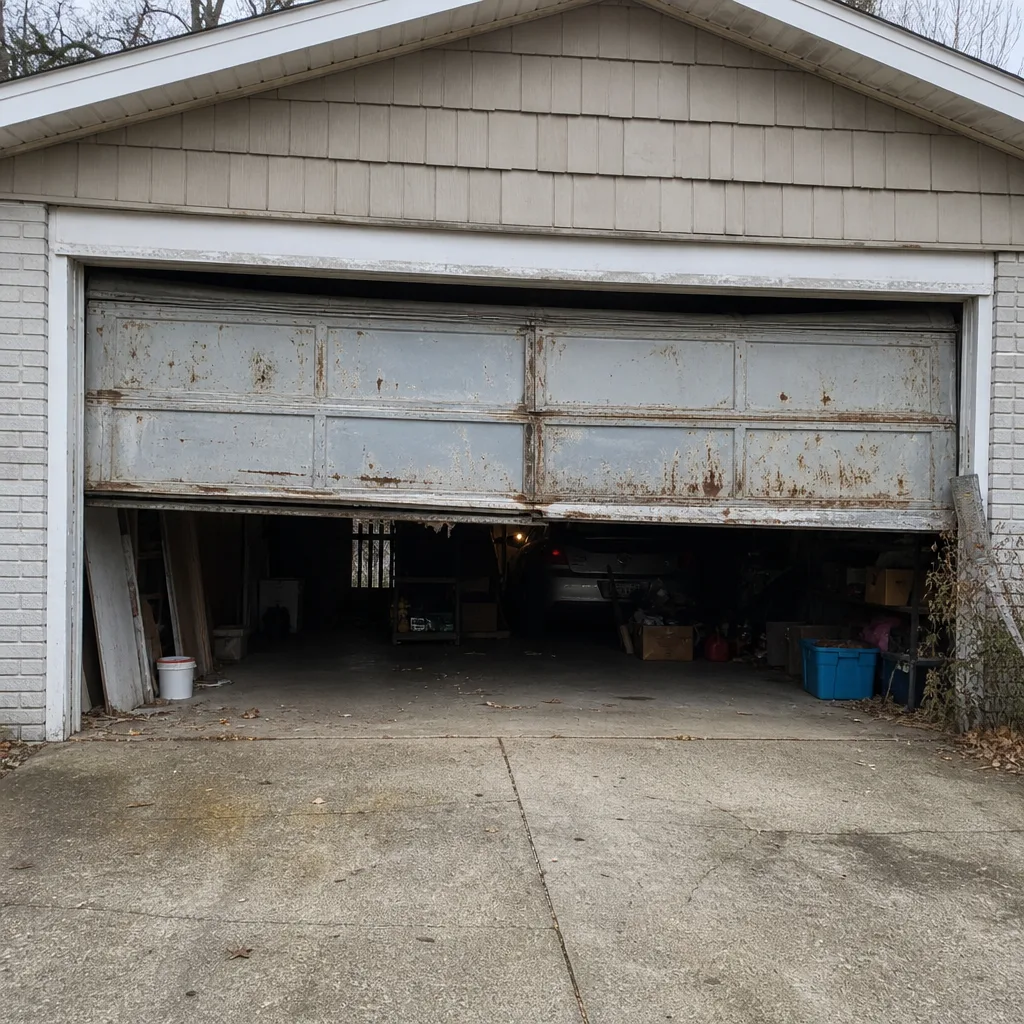
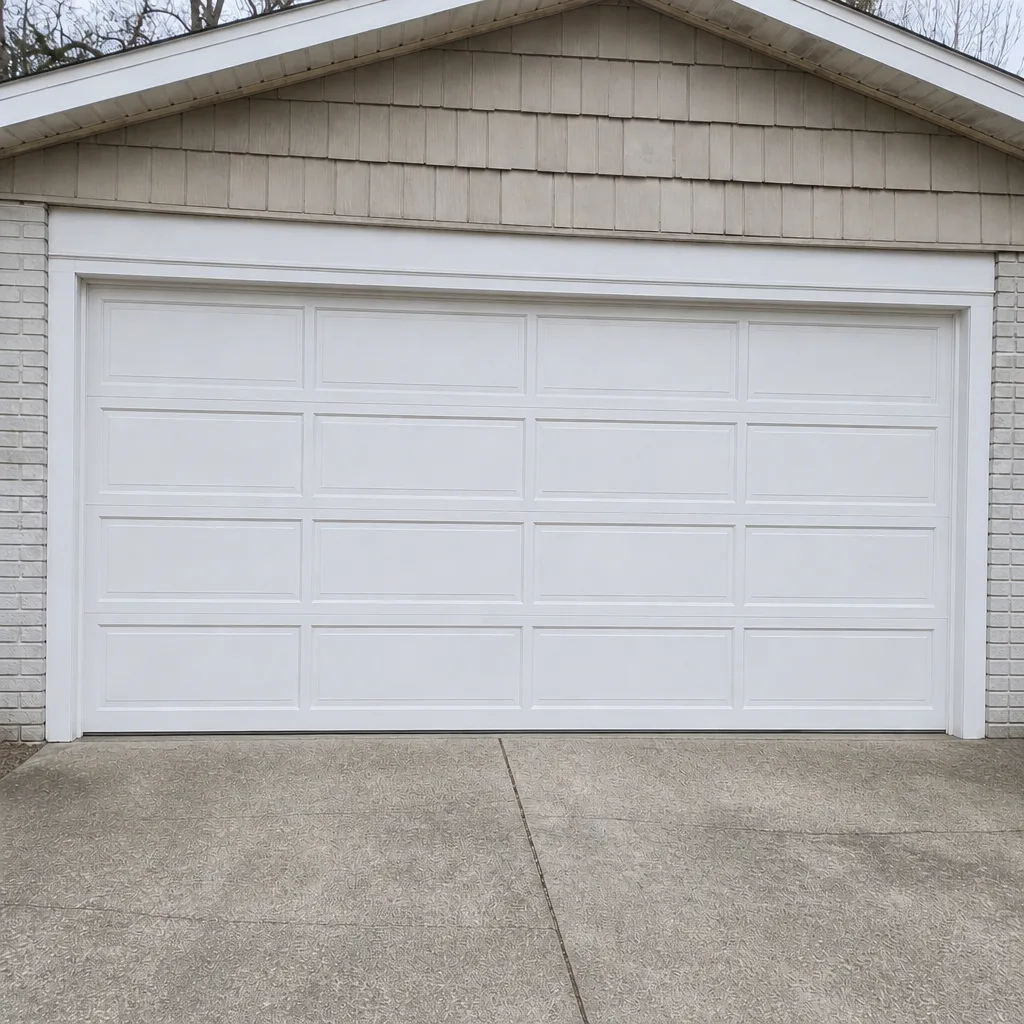
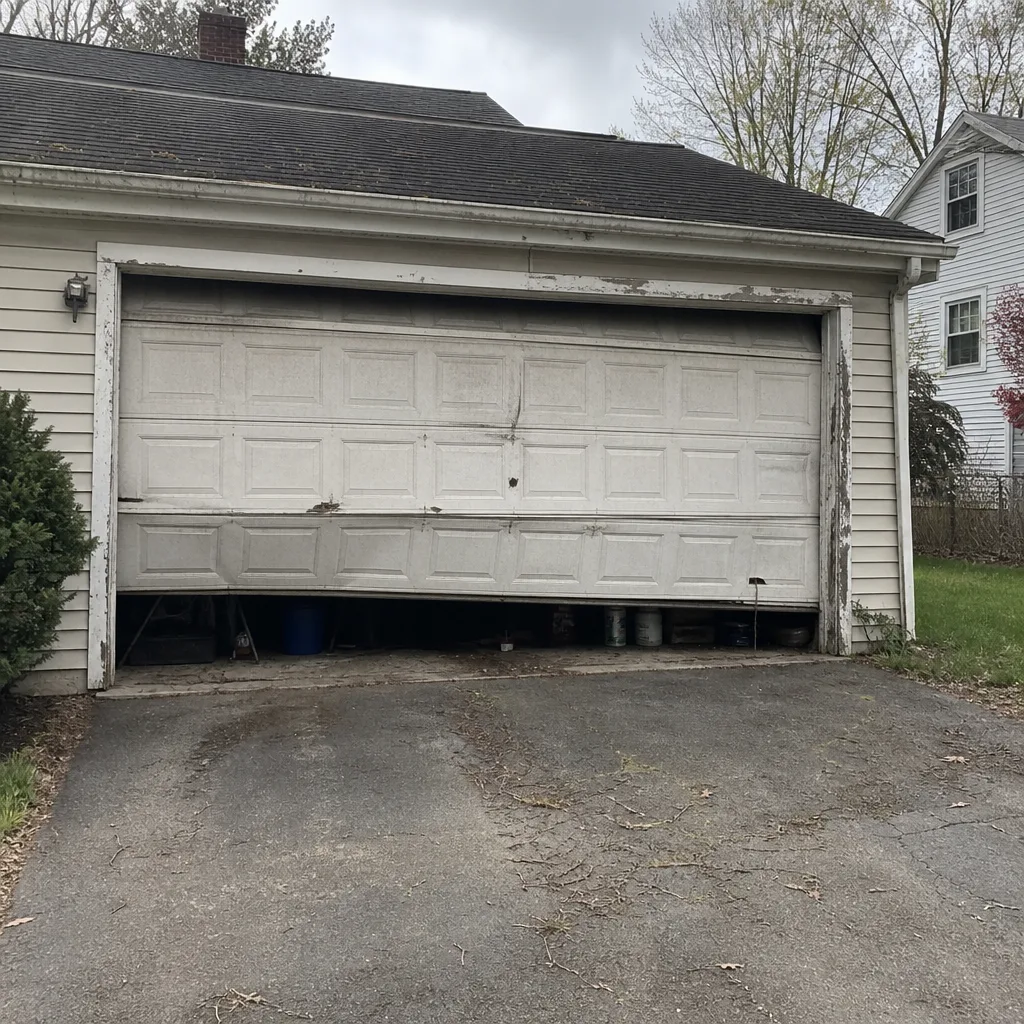
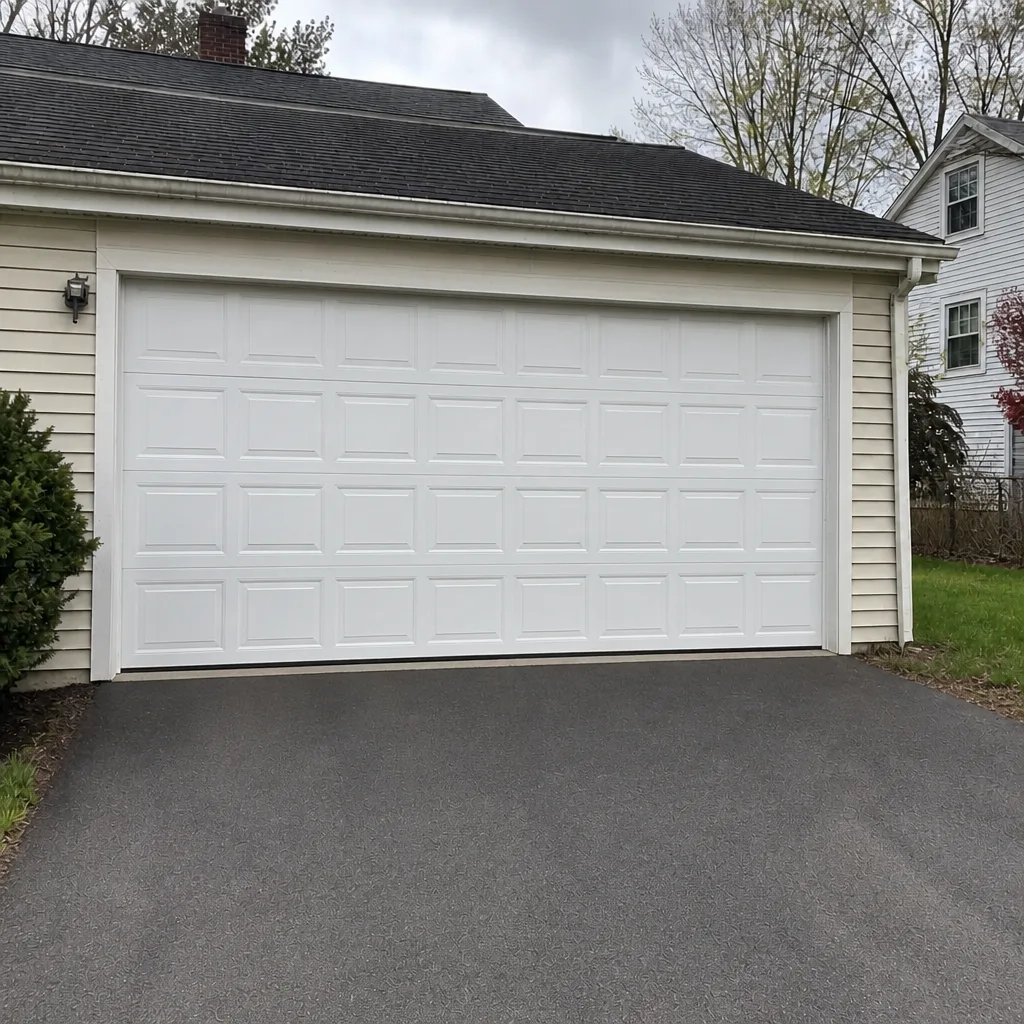
See the difference
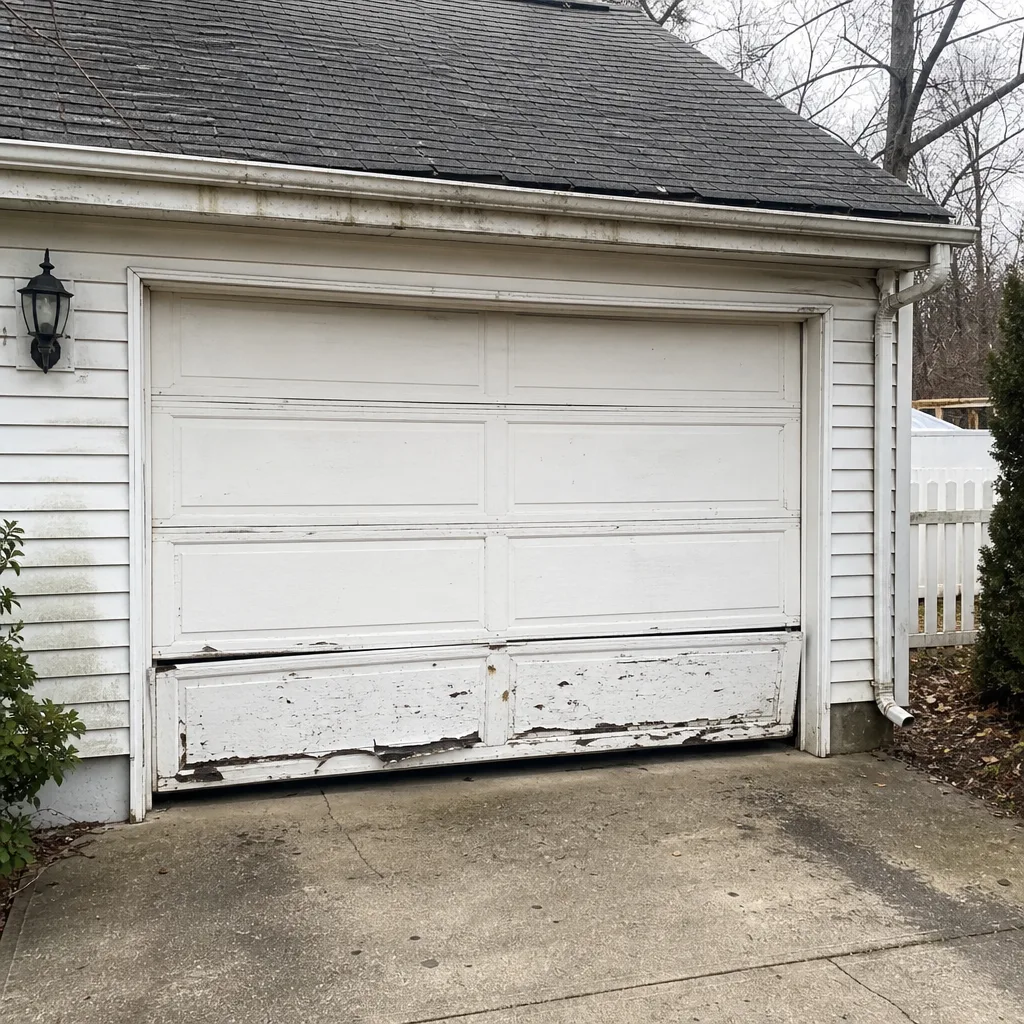 Before
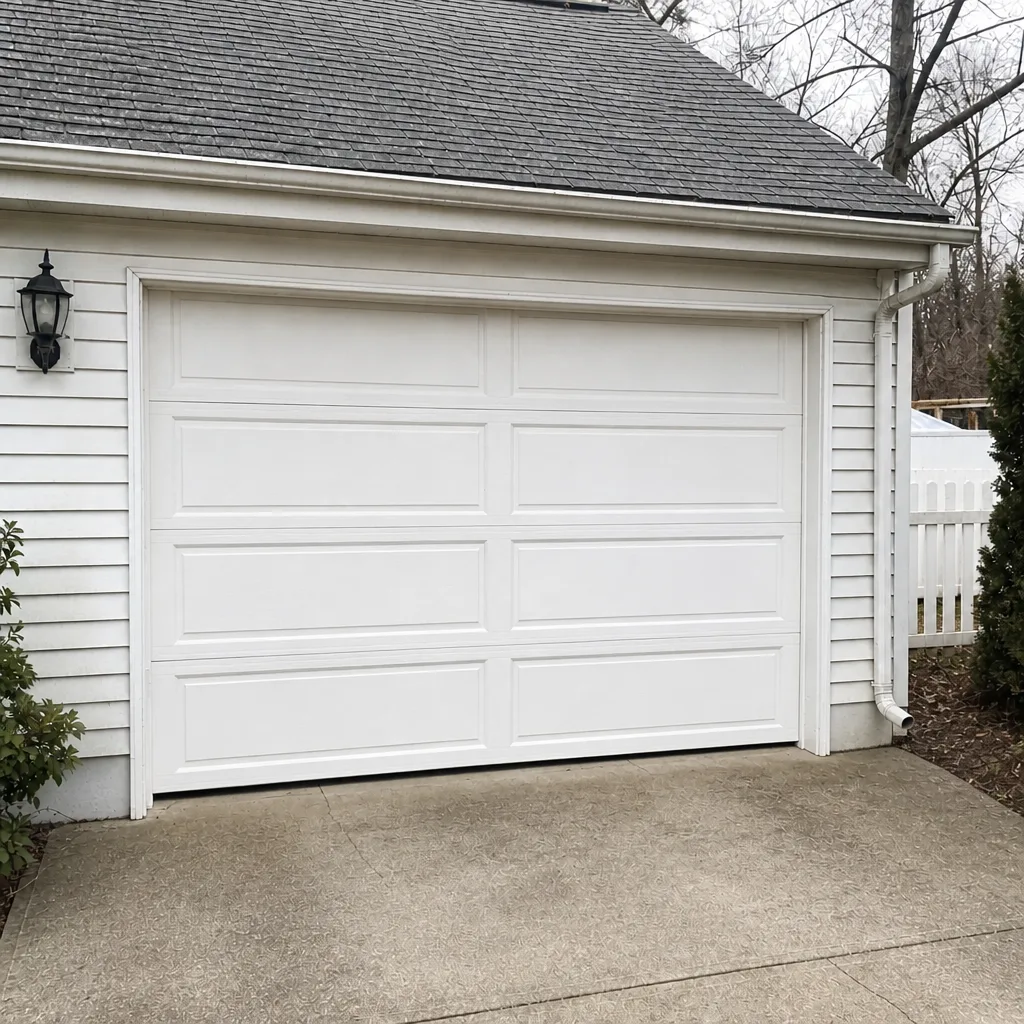 After
 Before
 After
 Before
 After