Last updated November 21, 2026
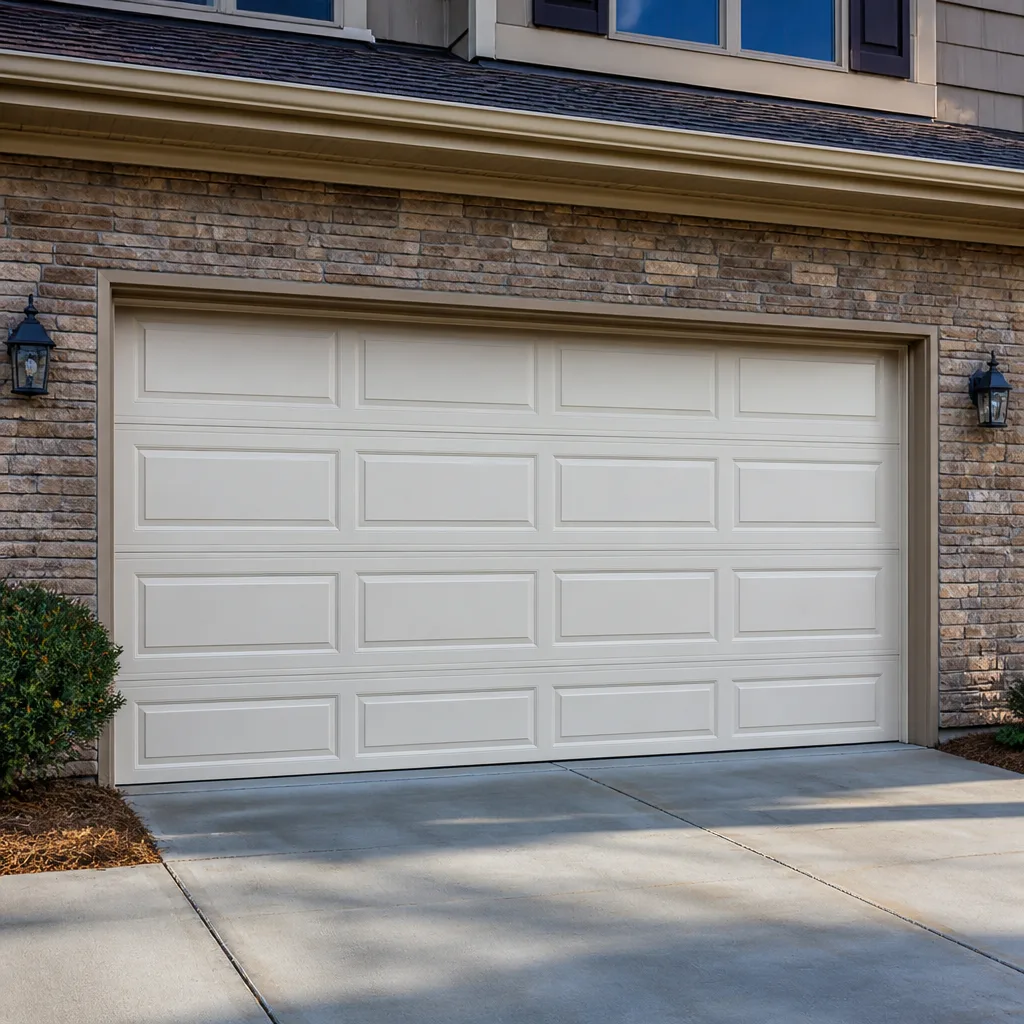 Raised-panel steel
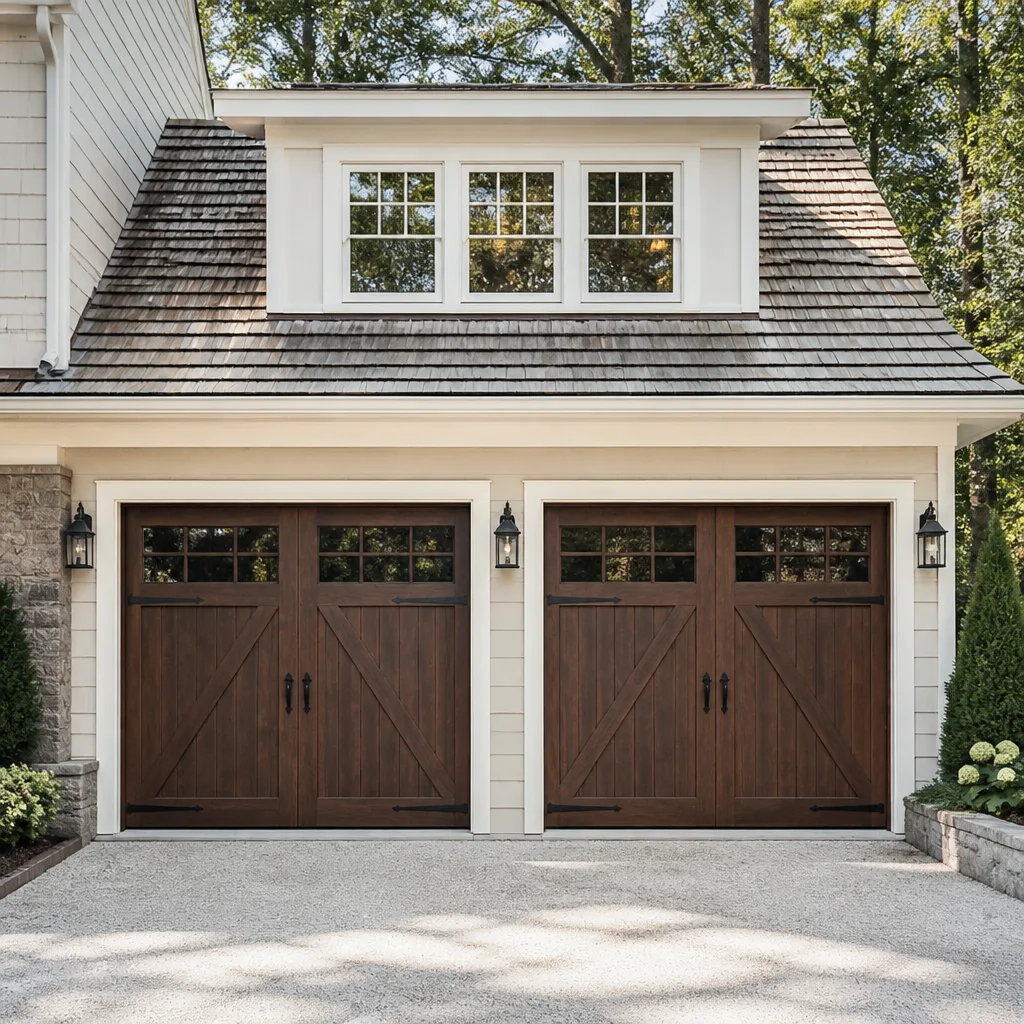 Carriage house
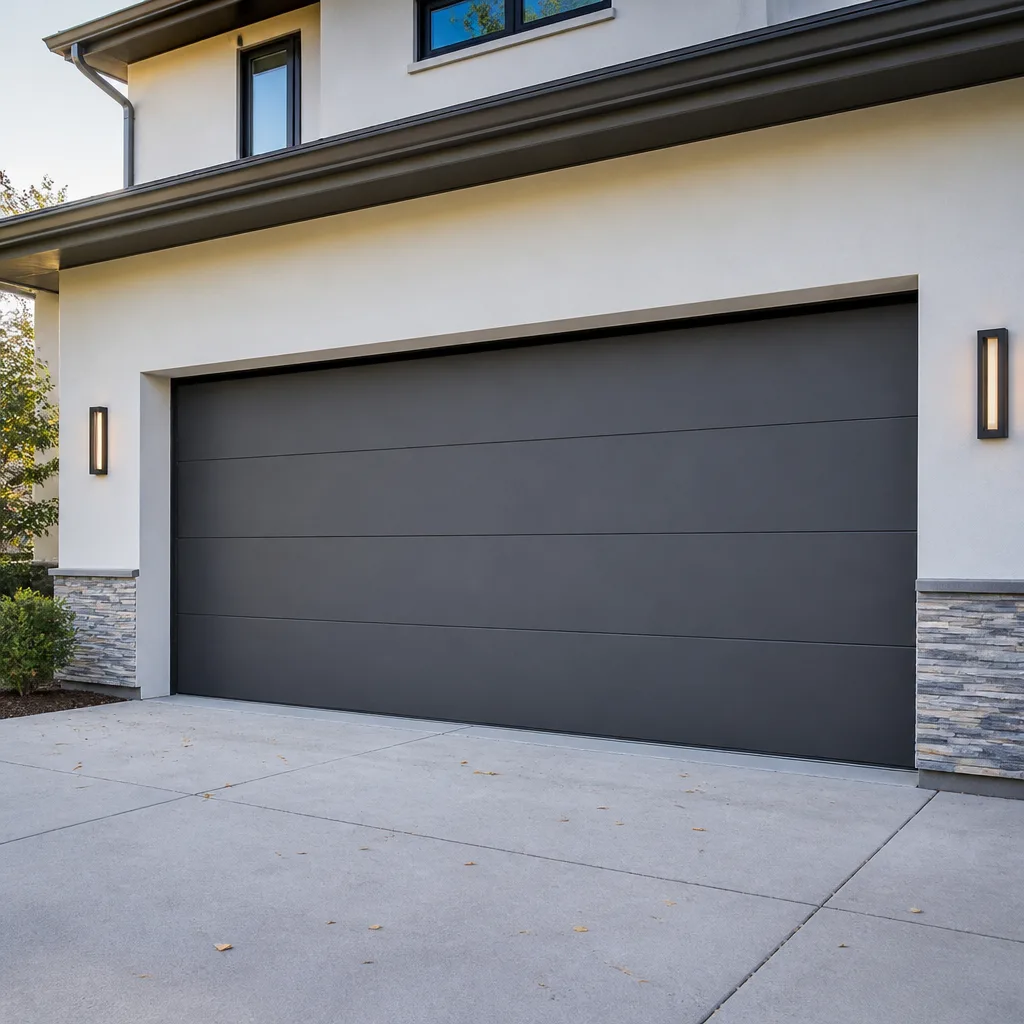 Modern flush
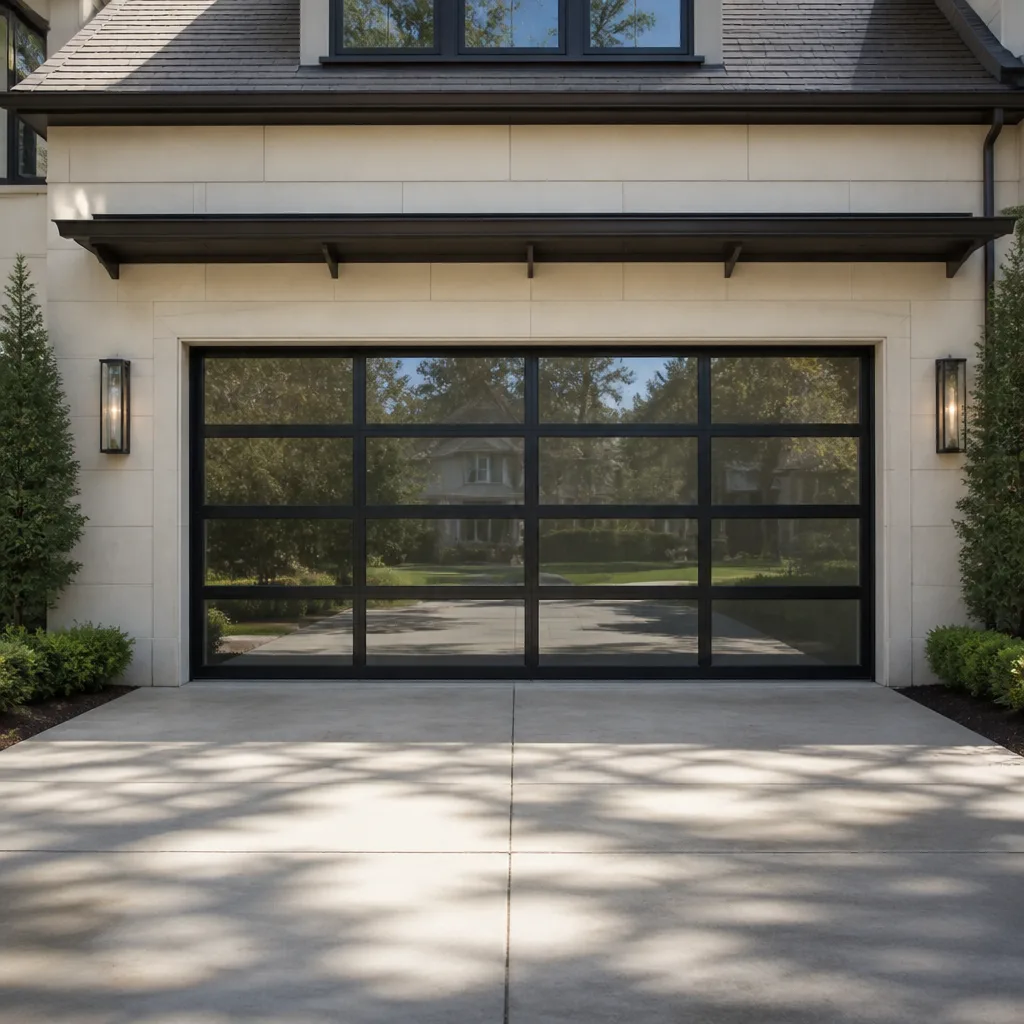 Full-view glass
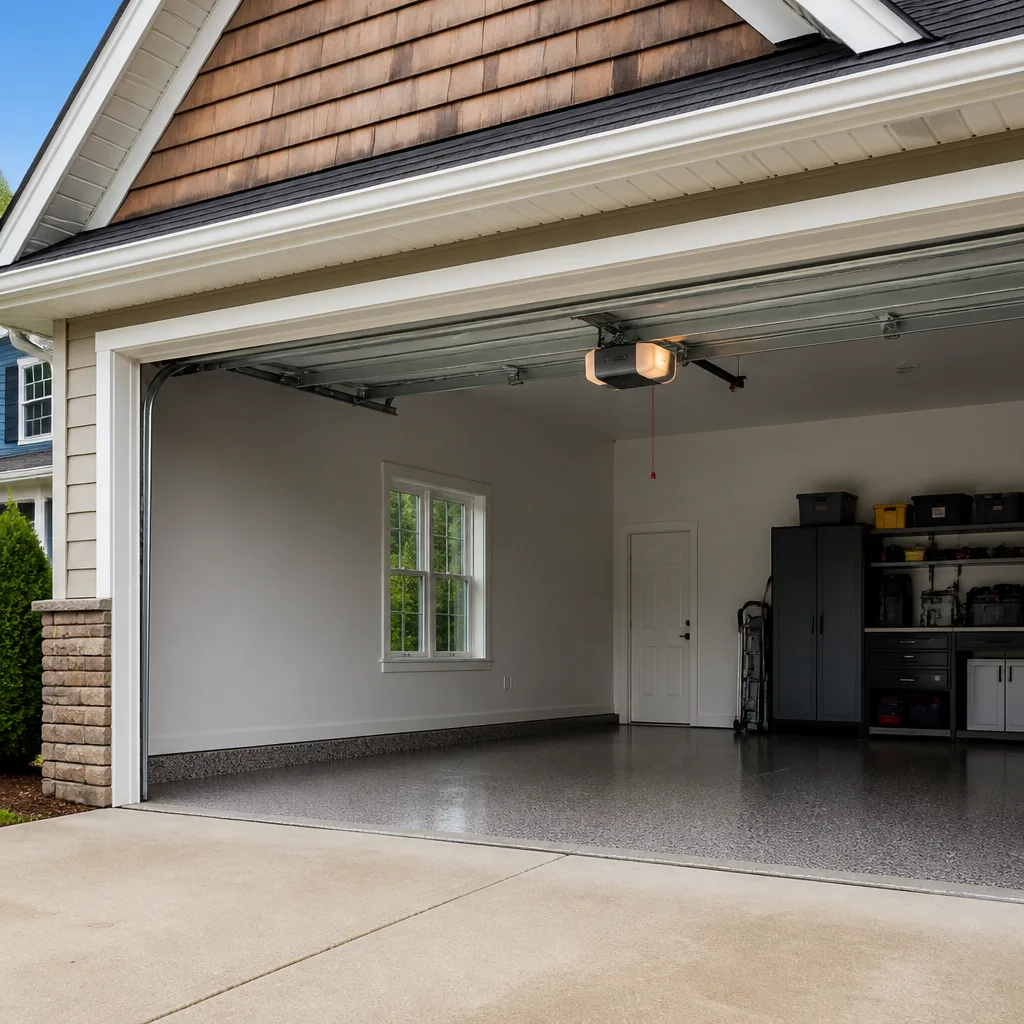 LiftMaster openers
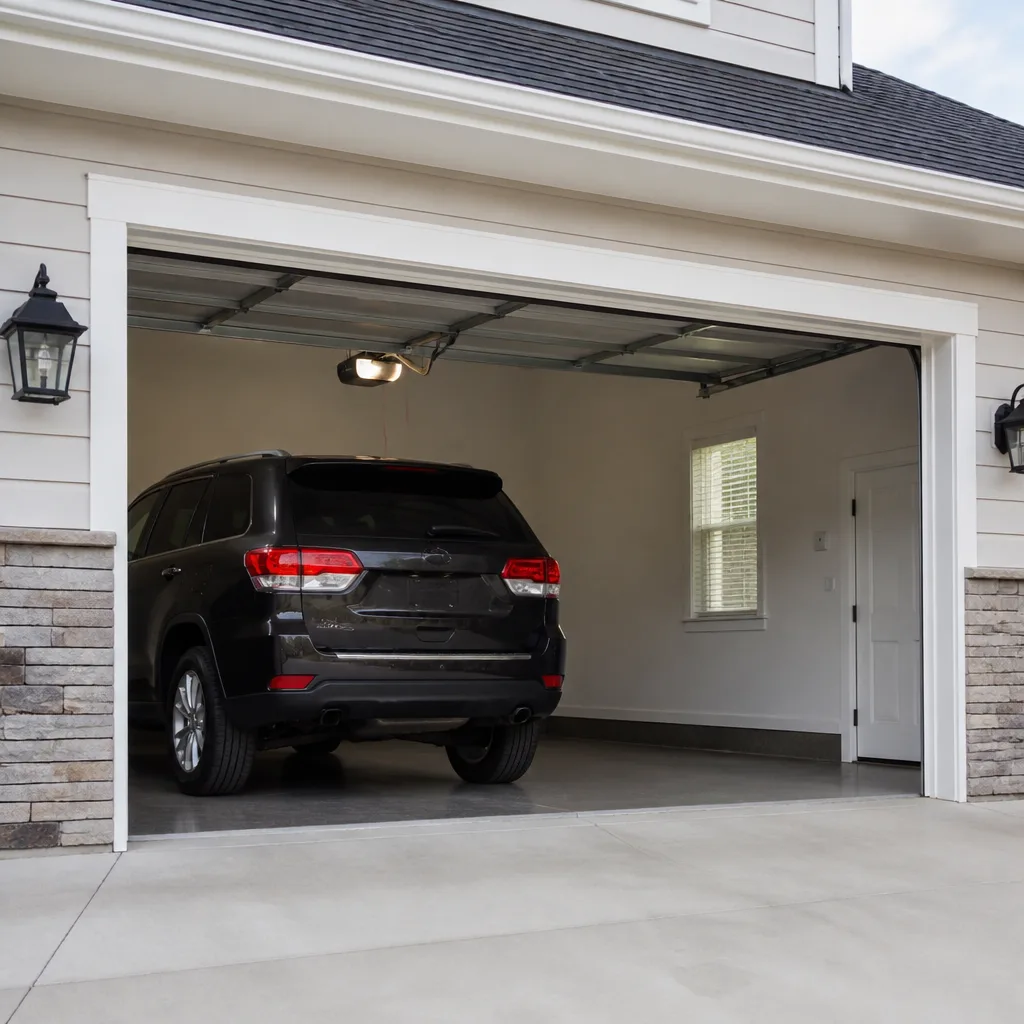 Chamberlain openers
Full 25-point door and opener safety check with every visit - springs, cables, rollers, tracks, and your LiftMaster or Chamberlain opener included
You get a price before we start. It does not change when the pro arrives.
Get your free estimateThe Complete Guide to Garage Doors in Plainfield
Most homeowners in Plainfield treat their garage door as a single purchase decision. You pick a style, you get it installed, and you expect it to work for decades. But that framing is where the surprise comes from. A garage door isn’t one product. It’s a system of springs, cables, rollers, hinges, tracks, panels, weatherstripping, and an opener, all tuned to work together. When one part drifts out of balance, the others wear faster. Understanding how those pieces interact is what separates a door that lasts twenty years from one that starts failing at year seven. This guide maps the whole picture for Plainfield homeowners: how the local climate stresses the system, what styles fit the housing stock here, and how to make the repair-versus-replace decision with clear eyes.
Quick Answer
A garage door is a balanced mechanical system, not a single panel, and its lifespan depends on how well the springs, opener, hardware, and tracks stay in tune with each other. In Plainfield, the freeze-thaw swings and humid summers accelerate wear on springs and weatherstripping, so inspection and small adjustments matter more than most owners realize. Choosing the right brand and material for your home’s age and structure is the other half of the equation.
Styles & brands we work with
- Raised-panel steel
- Carriage house
- Modern flush
- Full-view glass
- LiftMaster openers
- Chamberlain openers
Table of Contents
- How a Garage Door System Actually Works
- How Plainfield’s Climate Affects Your Door
- The Door System vs. Just Buying a Door
- Door Styles and Materials Common in Plainfield
- How to Read Your Door’s Rating Plate
- Repair or Replace? The Lifecycle Decision
- Brands You’ll Find on Plainfield Doors
- When a Door Failure Can’t Wait
How a Garage Door System Actually Works
A sectional garage door is a balance puzzle. The springs, whether torsion or extension, carry most of the door’s weight so a person or an opener only has to nudge it up and down. The cables connect those springs to the bottom corners of the door. Rollers run inside the tracks to keep the panels aligned. The opener supplies the final push and, on most modern units, tells the door when to stop and reverse. When any one of these parts is out of spec, the whole system feels it.
Here’s the sequence in plain terms:
- The opener pulls or pushes the door along the track.
- The springs release stored tension to offset the door’s weight.
- The cables transfer that tension from the springs to the door’s bottom brackets.
- The rollers float inside the track to keep each panel level.
- The hinges let the panels fold back at the top of the opening.
Because every part depends on the others, a weak spring forces the opener to work harder, which wears the opener motor and gears faster. A bent track pinches a roller, which stresses a hinge, which can crack a panel. Small failures cascade. That’s why a specialist looks at the whole system, not just the part that made the noise. Garage doors are all we do, so when we’re standing in a Plainfield driveway we’re reading the interactions between those parts, not just the obvious symptom.
How Plainfield’s Climate Affects Your Door
Plainfield sits in a part of New Jersey that swings hard between seasons. Winters freeze and thaw repeatedly, and summers turn humid. That pattern puts real stress on three parts of your door in particular: the springs, the weatherstripping, and the panels themselves.
- Spring tension. Springs are steel coils held under constant load. Cold makes the metal contract and stiffen, so a spring that felt fine in October can feel noticeably heavier in January. Repeated cycles through freeze-thaw seasons quietly fatigue the steel, which is why springs have a finite cycle life rather than a fixed calendar life.
- Weatherstripping. The rubber or vinyl seal along the sides and bottom of the door takes the brunt of the moisture. Humid summers soften and crack it; freezing winters make it brittle. A worn seal lets cold air, water, and pests inside, and it can throw off how evenly the door seats.
- Panel warping. Wood and wood-composite panels absorb moisture, and over many humid seasons they can swell, cup, or warp. If a door sticks or gaps at one corner, warping is often the reason behind it.
None of these is a crisis by itself. But Plainfield’s backend weather means these parts age faster than they would in a milder climate, so annual inspection pays for itself. A spring inspection in early fall catches tension loss before a cold snap stresses it further, and checking the seals before summer humidity sets in keeps the door sealing properly.
The Door System vs. Just Buying a Door
This is where cost surprises come from. When you call a supplier or a generalist and ask for “a garage door,” you’re often quoted just the door panels. That price is real, but it doesn’t include the springs, cables, tracks, hinges, rollers, or opener. Buying a door is not the same as installing a full door system, and confusing the two leads to sticker shock when the invoice arrives.
A complete door system includes:
- Panels – the visible face of the door
- Springs, cables, and drums – the counterbalance assembly that carries the weight
- Tracks and hardware – the structural rails and the rollers, hinges, and brackets that ride them
- Weatherstripping and stops – the seals that close the opening
- The opener – the motor and drive system, sized to match the door’s weight and cycle needs
If your existing springs and hardware are near the end of their life, putting a new door on old hardware is a short-term fix at best. A specialist will check the whole assembly and tell you honestly what can carry over and what shouldn’t. When we quote a garage door repair or a full replacement in Plainfield, the point of the measure is to see the entire system at once, so the estimate reflects the whole picture rather than a door panel alone.
Door Styles and Materials Common in Plainfield
Plainfield’s housing stock spans older colonials, ranches, and everything between. That variety matters for replacement, because a door that fits one home’s rough opening and aesthetic may not fit another. The two things that shape a fit are opening size and the material style of the house.
In the older colonial-era homes, you’ll see a lot of raised-panel steel doors and some original wood doors that have been maintained or faced over. The ranch-style homes tend to carry flatter, wider panels and full-view or window-topped doors. Common materials in the area break down roughly like this:
- Steel – the most common replacement choice now; durable, low maintenance, and available in insulated and uninsulated grades.
- Wood and wood composite – matches original architecture well, but needs periodic sealing in this climate.
- Aluminum – lighter and rust-resistant, often chosen for full-view doors with large glazing panels.
Rough opening size is the other fit factor. Older homes weren’t always built to standard door dimensions, so a proper measure is essential before ordering. Measuring also reveals whether the tracks and ceiling height can support the door’s travel, which affects which styles and operators will actually work.
How to Read Your Door’s Rating Plate
Before you call anyone, there’s one thing you can do yourself that saves everyone time: find your door’s rating plate and read it. Most garage doors have a small label or plate attached to the bottom panel, the hinge area, or the back of the door, and it carries the details that identify exactly what you own.
Here’s how to read one, step by step:
- Locate the plate. Check the inside face of the bottom panel, near a hinge, or on a bracket plate near the bottom corner.
- Note the make and model. That’s the door manufacturer and the specific series, which tells a specialist what part numbers and hardware will fit.
- Record the size and width. Plate details help confirm your opening size, which matters when you’re comparing like-for-like replacement options.
- Note the door’s weight class. Springs and openers are matched to the door’s weight, so this number affects the balance hardware and operator sizing.
- Snap a photo. A phone photo of the plate saves a call later and gives a technician the exact make to work from.
Knowing your door’s make and model also lets us plan the right parts before we arrive. We work with product lines from the industry’s leading manufacturers, including Clopay doors, so a plate photo often means a faster, cleaner diagnosis on the first visit.
Repair or Replace? The Lifecycle Decision
There’s no single age that means “replace.” The honest answer is that it depends on which components are failing and how often. A door’s lifecycle is really a hierarchy of parts, each with its own expected wear pattern.
A rough rule of thumb on when repair makes more sense than replacement:
- One component fails, the rest is sound. Repair. A single broken spring, a worn roller, or a misbehaving opener on an otherwise solid door is straightforward to fix.
- Wear has reached several parts at once. If springs, cables, rollers, and weatherstripping are all at their limits and the panels are showing their age, replacement often makes better economic sense than chasing repairs.
- Panels are warped, cracked, or structurally compromised. These are hard to repair safely and usually point toward a new door.
- The opener is failing alongside a tired door. Replacing both together gives you a matched system, which tends to run quieter and last longer than a new opener bolted to a worn-out door.
A door that’s had two or three separate parts replaced over a few seasons is telling you something. If it’s failing in clusters, replacement is usually the smarter call. If it’s failing one part at a time with long gaps in between, repair keeps you going for years. The way to know which path you’re on is to have the whole system looked at together, not just the part that broke last. Our garage door spring repair service is a good entry point for that conversation, since springs are usually the first part to show the system’s overall health.
Brands You’ll Find on Plainfield Doors
Brand awareness matters in this trade. A door from one manufacturer uses different springs, brackets, and opener logic than a door from another, and a generalist who doesn’t know the differences will often fall back on a generic workaround that fits poorly or fails early. Knowing what brand you own and who services it well is the real decision.
The doors and openers in Plainfield homes come from the leading lines in the industry. On the door side, you’ll see Clopay and similar manufacturers. On the opener side, LiftMaster and Chamberlain are the two most common operators, with LiftMaster often found on newer installations and Chamberlain on many mid-era homes. We’re familiar with these brands and the other leading lines, and our technicians have up to 8 years of experience reading the specifics of each. When you call with your door’s make and model in hand, you’re not describing a mystery to us. We’ve worked with your brand before.
Should you buy a door or opener by brand loyalty? Not on its own. Brand should follow what your home actually needs: the opening size, the weight, and the insulation requirement all matter as much as the badge on the panel. But when two options are a genuine tie, sticking with a brand a specialist knows well reduces the risk of a mismatch.
When a Door Failure Can’t Wait
Not every garage door problem waits for an appointment. A broken spring leaves a door stuck in the wrong position. A snapped cable can leave the door hanging. A dead opener on a locked-in car is a real bind. When your door won’t move, waiting a few days isn’t always an option, and that’s when a specialist with emergency service matters.
The safest general rule: if the door is hanging, jammed, or won’t move cleanly, stop cycling it. Don’t force it, and don’t try to release the spring tension yourself. Those coils are held under significant stored energy, and a slipped spring or cable can cause serious injury. A trained technician is the right person to handle it. Our repair service handles emergency calls for exactly this kind of situation, and when the operator itself is the problem, garage door opener repair can diagnose whether the motor, the drive, or the safety sensors are at fault. Emergency availability is a standard service for us, not an upsell. When a door won’t move, you shouldn’t have to wait until the next appointment to get started on a fix.
Common Mistakes to Avoid
- Buying a door and expecting the whole system. A door panel price doesn’t cover springs, cables, tracks, and an opener. Budget for the system, not the panel alone, or the invoice will surprise you. Ask for an itemized estimate up front.
- Replacing one spring in a matched pair. Springs wear as a pair, so replacing just one leaves you with an unbalanced door and a second failure waiting to happen. Replace both together.
- Ignoring a little track dent. A small bend in a track will eventually pinch a roller, stress a hinge, and throw the whole door out of alignment. Early fix, big savings.
- Skipping the seasonal check. Plainfield’s freeze-thaw cycles quietly stress springs and seals. A quick seasonal inspection catches tension loss and cracked weatherstripping early.
- A DIY attempt to fix a spring. Springs are one of the most dangerous parts of any home system. There’s no safe homeowner step here. Let a trained professional handle it.
- Calling a generalist who guesses on brand. A door from a major brand needs parts matched to that brand and system. A generic workaround can fit poorly and fail early.
- Matching the wrong opener to the door. An undersized opener on a heavy door wears out fast. The opener should be sized to the door’s weight and cycle needs, not chosen on price alone.
See the difference
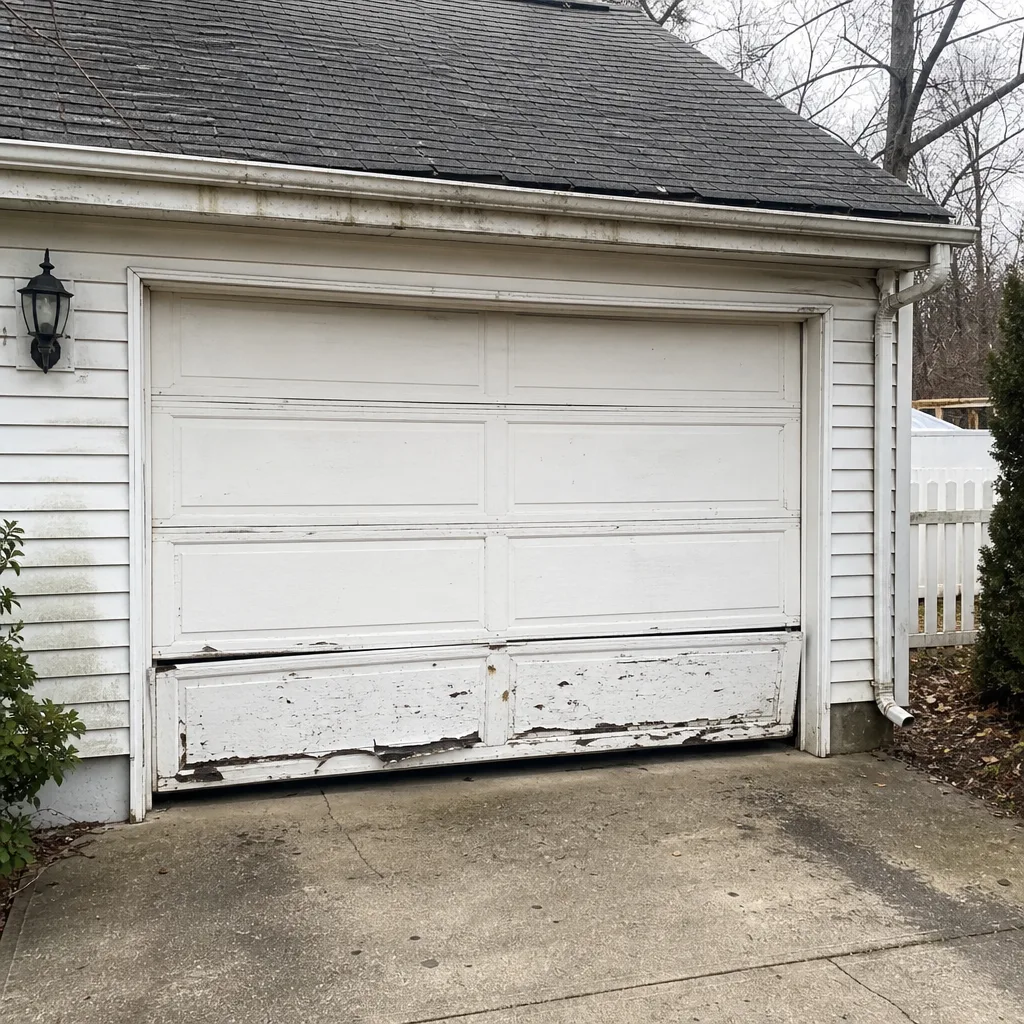 Before
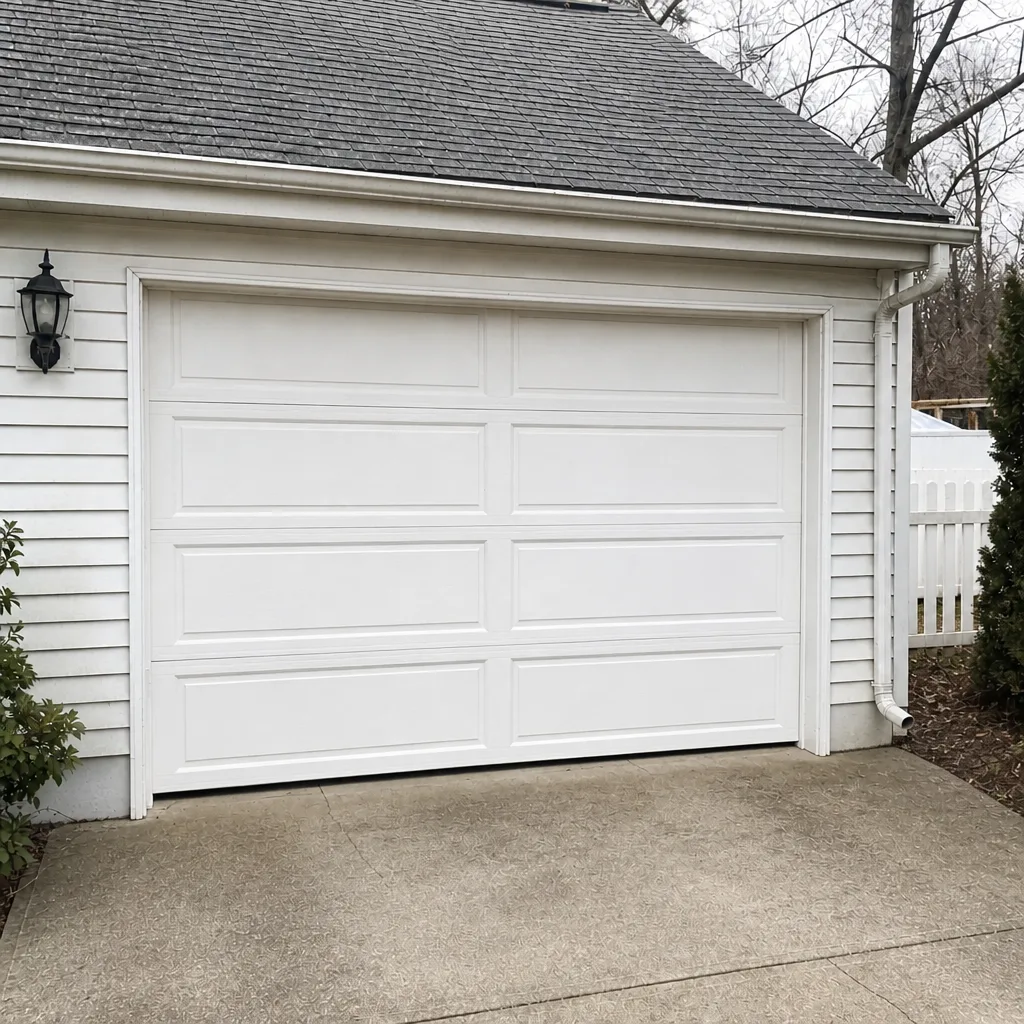 After
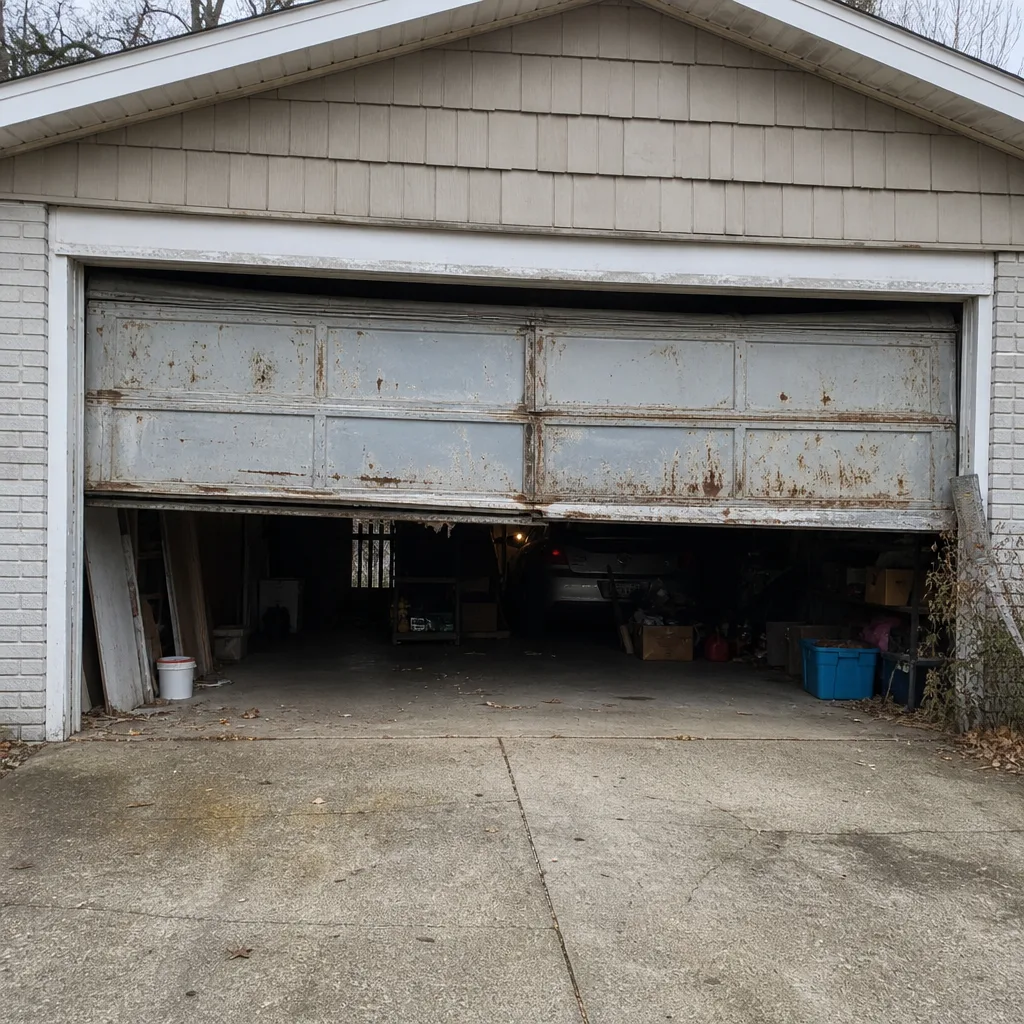 Before
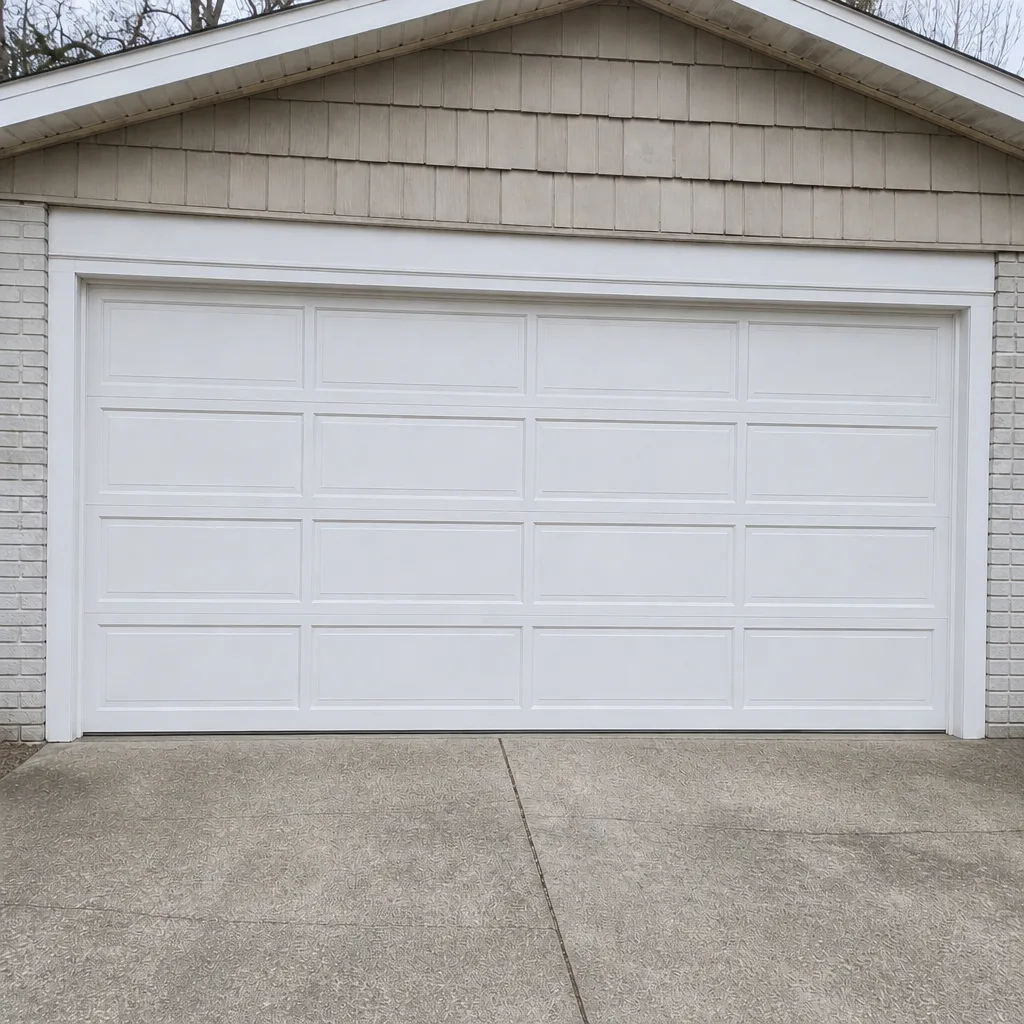 After
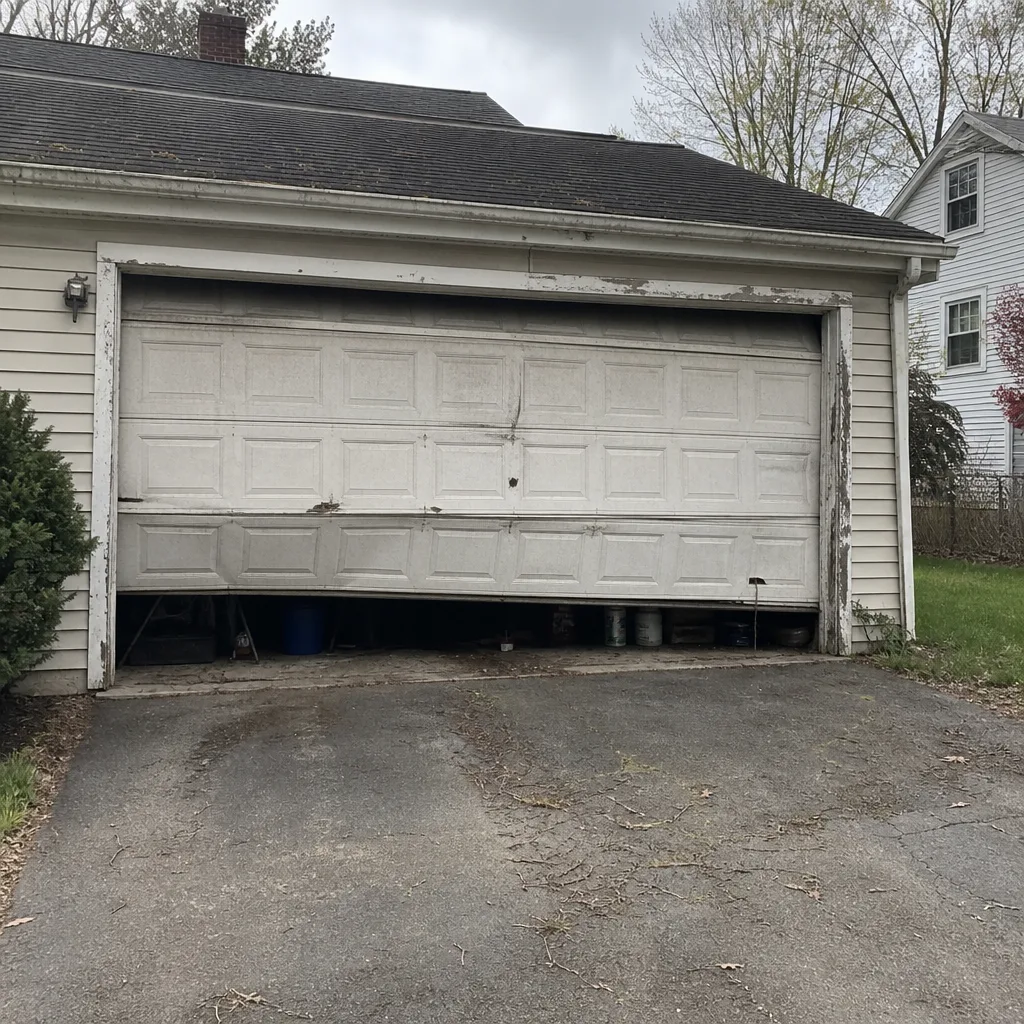 Before
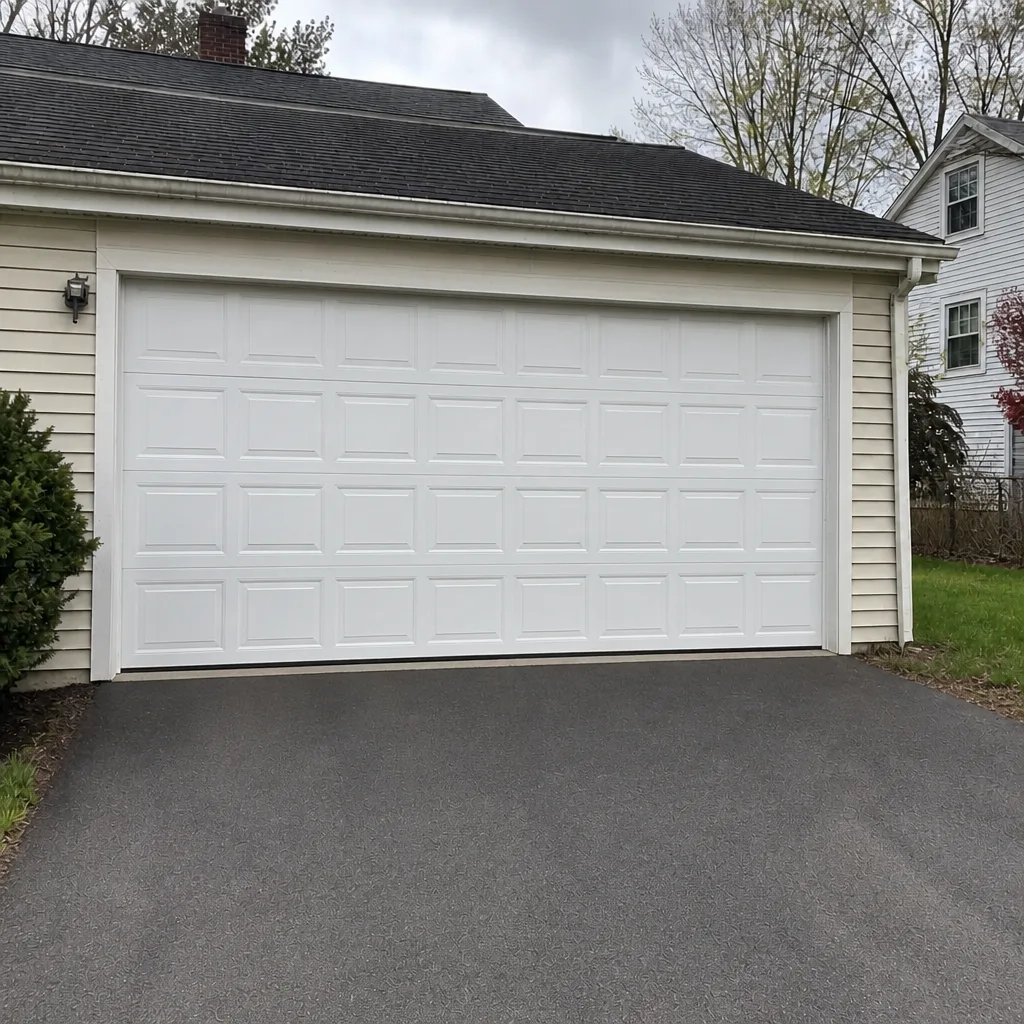 After
When to Call a Professional
Some jobs are genuinely for a specialist, and it’s better to know which before you pick up a tool. Call a professional if a spring is broken or making noise, if a cable has snapped or come loose, if the door is hanging or jamming in the tracks, if the opener runs but the door doesn’t move, or if the door reverses unexpectedly. Those are all signs of a balance or safety issue that needs a trained eye. Spring and cable work especially should never be a homeowner job; the stored energy in those parts can cause serious injury. Plainfield Garage Door Repair Co offers free estimates in Plainfield. Call (855) 707-0472 and we’ll help you sort out whether it’s a repair or a replacement.
Frequently Asked Questions
Spring repair in Plainfield usually falls in a range that depends on whether it’s one spring or a matched pair. A single spring is typically in the low-hundreds range, and because springs are matched, a pair usually costs about twice that. The written estimate sets the final price, and we quote it before any work starts. Call (855) 707-0472 for an exact quote, and estimates are free.
Often, yes, especially on repair calls where the parts on hand are the right fit. Same-day repair is possible on many common jobs once we know your door’s make and model. Emergency service is available when a door is stuck or won’t move. Call (855) 707-0472 and we’ll help you schedule the fastest available repair.
No, the price we quote is the price we set, as long as the scope of work doesn’t change. We agree the estimate in writing before any work starts. If we find something extra on arrival, we’ll tell you before we touch it. That’s the written estimate’s job. Call (855) 707-0472 to get yours started.
The local professionals we connect you with are licensed and insured as their state requires. Our technicians have up to 8 years of experience working with the leading door and opener brands. Call (855) 707-0472 to book a visit.
Springs are rated by cycles, typically measured in the tens of thousands of open-and-close movements, and Plainfield’s freeze-thaw swings can shorten that lifespan. Humid summers and freezing winters fatigue the steel faster than a mild climate would. A seasonal inspection catches tension loss before it turns into a failure. Call (855) 707-0472 to schedule an inspection.
We work with the leading brands, including LiftMaster, Chamberlain, and Genie, so chances are we know yours. Opener diagnosis is a separate specialty, and the right fix depends on the brand and the drive system. Call (855) 707-0472 with your opener’s make and model and we’ll get you scheduled.
The Bottom Line
Your garage door is a system, not a single panel, and that’s the frame that changes every decision. The springs carry the weight, the hardware keeps the panels aligned, and the opener handles the final push. Plainfield’s freeze-thaw seasons and humid summers wear those parts faster than you’d expect, so seasonal checks matter. Buying a door isn’t the same as building a full system, and lifecycle cost depends on which parts are failing and how often. Know your brand, read your rating plate, and let a specialist look at the whole picture. For a free estimate in Plainfield, call Plainfield Garage Door Repair Co at (855) 707-0472. Browse our Plainfield Garage Door Repair Co home page to see everything we handle, or explore garage door opener repair if the motor is what’s giving you trouble.
Written by the team at Plainfield Garage Door Repair Co.